The Link Between Social Media and Body Dysmorphia
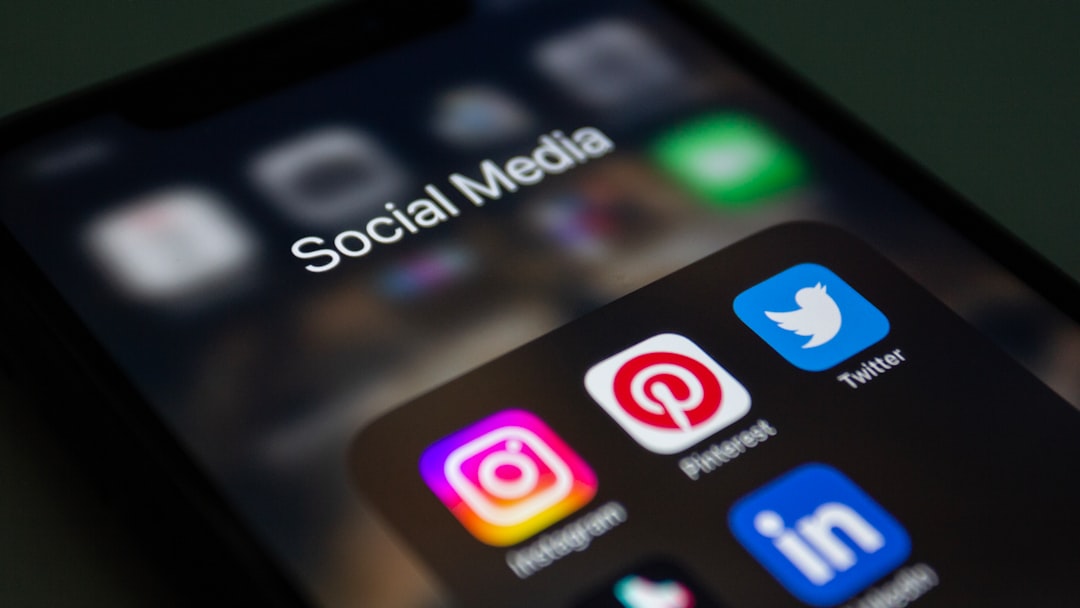
I’ve always been quite introspective, a trait that’s served me well in my writing but often leaves me overthinking. This introspective nature is perhaps why I’ve found myself increasingly concerned with the pervasive influence of social media on our sense of self, particularly when it comes to body image. As someone who has navigated the tumultuous waters of self-acceptance, I’ve come to understand intimately the delicate balance required to maintain a healthy perception of my own body. Over the past decade, I’ve witnessed firsthand how social media platforms, initially heralded as tools for connection and self-expression, have inadvertently become crucibles for comparison, anxiety, and, in many cases, body dysmorphia. It’s a topic that resonates deeply within me, and one I feel compelled to explore.
My journey into understanding this link began subtly. At first, I dismissed the fleeting moments of self-doubt provoked by a friend’s seemingly perfect vacation photos or a celebrity’s airbrushed magazine cover. But as these moments accumulated, and as I observed similar struggles in those around me, I started to connect the dots. The constant barrage of curated perfection, the ease with which one could compare their unfiltered reality to someone else’s meticulously crafted highlight reel, began to chip away at my own self-esteem. I realized I wasn’t alone in this experience; indeed, it was a widespread phenomenon, intensifying with each new platform and each new filter.
The Rise of the Digital Mirror: How Social Media Shapes Our Perceptions
I admit, when I first joined social media, I was captivated. It offered a window into the lives of others, a way to stay connected, and an exciting new avenue for sharing my own experiences. But what I, and many others, didn’t anticipate was how quickly this digital mirror would start reflecting back a distorted image of reality, not just of others, but of myself.
The Curated Self and the Illusion of Perfection
I’ve been as guilty as anyone of presenting a “best version” of myself online. Who hasn’t chosen the most flattering angle, applied a subtle filter, or carefully selected only the highlights of their day to share? This isn’t inherently malicious, but over time, I’ve seen how this collective effort to present a perfected self creates an unachievable standard. I’ve found myself scrolling through feeds, comparing my natural, make-up-free face to someone else’s flawlessly contoured selfie, or my ordinary everyday life to an influencer’s seemingly endless stream of exotic holidays and designer outfits. This constant comparison is insidious. It makes me question why my life doesn’t look as exciting, why my skin isn’t as smooth, why my body isn’t as toned. It’s a comparison I know, logically, is unfair, but emotionally, it’s a hard battle to win.
Filters, Facetune, and the Normalization of Alteration
I remember when filters were just for fun – a silly dog ear, a flower crown. Now, filters have evolved into sophisticated tools that can reshape faces, thin bodies, and even change skin texture with remarkable precision. I’ve seen filters that give me a smaller nose, plumper lips, and impossibly smooth skin. It’s a momentary thrill to see such a “perfected” version of myself, but it’s a dangerous game. It sets a new benchmark for what I should look like, an image that is entirely unattainable without digital manipulation. Tools like Facetune have taken this a step further, making it easy for anyone to edit their photos to professional levels, creating an aesthetic of flawless skin, symmetrical features, and idealized proportions that simply do not exist in reality. I’ve felt the temptation to use these tools myself, to erase a perceived flaw or enhance an admired feature, and I understand why so many succumb. But each time, I question: am I contributing to the very problem I’m trying to understand?
In exploring the complex relationship between social media and body dysmorphia, it is essential to consider various perspectives on body image and societal pressures. A related article that delves into the impact of weight perception and societal standards can be found at Footsteps and Food. This resource provides valuable insights into how media representations can influence individual self-esteem and body image, further contributing to the ongoing conversation about mental health and social media’s role in shaping our perceptions of beauty.
The Slippery Slope to Body Dysmorphia
It’s one thing to feel a temporary pang of inadequacy; it’s another entirely when those feelings escalate into something more severe. I’ve observed, both in my own reflections and in the experiences of others, how the constant exposure to idealized images on social media can pave a very direct path towards body dysmorphia.
The Cycle of Comparison and Dissatisfaction
For me, the cycle often starts innocuously. I might see a photo of an influencer with an incredibly toned physique and think, “I wish my abs looked like that.” This thought then spirals into a heightened awareness of my own stomach, scrutinizing it in the mirror, feeling dissatisfied with its current state. Then comes the increased urge to exercise more, or eat less, often to an unhealthy degree. This isn’t just about general dissatisfaction; it’s about a growing obsession with specific body parts, fueled by the unattainable ideals presented online. I’ve heard countless stories, and experienced some of them myself, where this comparison becomes a relentless feedback loop: compare, feel inadequate, attempt to change, still feel inadequate because the online ideal is constantly shifting or unattainable, and so the cycle continues, deepening the sense of dissatisfaction.
Mirror Gazing and Body Checking
Social media doesn’t just encourage external comparison; it also intensifies internal scrutiny. I’ve noticed a significant increase in my own (and others’) tendency to “body check.” This involves repeatedly examining mirrors, taking selfies from various angles, or constantly feeling specific body parts to assess their size, shape, or perceived flaws. For me, it might be my arms or my stomach. The moment I see an influencer with slender arms, I find myself checking my own, flexing them, trying to determine if they match the desired aesthetic. This obsessive scrutiny, driven by the images I see online, is a hallmark of body dysmorphia. It shifts my focus from my overall health and well-being to a minute, often imagined, flaw. The digital mirror extends into the real world, turning every reflective surface into a potential source of anxiety.
The Psychological Impact: More Than Just Low Self-Esteem
I’ve come to understand that the impact of social media goes far beyond a simple dip in self-esteem. It can profoundly alter one’s psychological landscape, leading to serious mental health challenges.
Anxiety, Depression, and Social Isolation Paradox
Ironically, a platform designed for connection can foster profound feelings of isolation. I’ve often felt a sense of loneliness while scrolling through feeds filled with cheerful gatherings I wasn’t invited to, or perfect relationships that make my own feel lacking. This constant exposure to seemingly flawless lives can trigger anxiety, particularly regarding my own perceived shortcomings, whether in appearance, social life, or achievements. This anxiety, coupled with the relentless comparison, can easily contribute to depressive symptoms. I’ve found myself withdrawing from real-world interactions because I felt I didn’t measure up to the digital ideal, creating a paradox where a tool for connection actually promotes isolation. The more I see others living seemingly perfect lives, the more I question my own value, leading to a desire to retreat and avoid social situations where I might be judged or found lacking.
The Erosion of Self-Worth and Identity Formation
For me, and I believe for many others, our sense of self-worth is intrinsically linked to how we perceive our bodies. When social media constantly bombards us with narrow, idealized beauty standards, it can severely erode this self-worth. I’ve seen young people, especially, struggle with identity formation in this environment. They’re no longer just comparing themselves to their peers in their immediate environment, but to a global pool of perfectly Photoshopped individuals. This external validation, sought through likes and comments on appearance-focused posts, becomes a shaky foundation for self-esteem. My identity, which should be based on my values, talents, and relationships, can often feel overshadowed by how I look, a perception heavily influenced by the digital sphere. It creates a constant chase for an appearance that aligns with online trends, rather than fostering a genuine acceptance of my own unique self.
Seeking Solutions: My Journey to Digital Wellness
Acknowledging the problem is the first step, but finding solutions is where the real work begins. I’ve actively sought strategies to mitigate the negative effects of social media on my body image, and I believe these approaches can be beneficial for others as well.
Mindful Consumption and Digital Detoxes
One of the most impactful changes I’ve made is to practice mindful social media consumption. This means being more aware of why I’m opening an app, what content I’m engaging with, and how it makes me feel. If I find myself scrolling aimlessly, or feeling worse about myself after viewing certain accounts, I make a conscious effort to stop. I’ve also implemented digital detoxes, often for a day or a weekend, where I completely disconnect. The initial discomfort is usually replaced by a profound sense of calm and clarity. It allows me to reconnect with my real life, my real body, and my real priorities, free from the digital noise. These breaks have shown me just how much energy I was expending on online validation and comparison.
Curating My Feed: Unfollowing and Diversifying
My social media feed used to be a free-for-all, a mix of friends, celebrities, and random influencers. Now, I’m far more deliberate about who and what I follow. I’ve unfollowed accounts that consistently trigger negative self-talk or promote unrealistic body ideals. Instead, I actively seek out accounts that promote body positivity, mental health awareness, diverse body types, and content that is genuinely uplifting and informative. This curation has transformed my scrolling experience. Instead of feeling pressure, I often feel inspired or educated. It’s like tending a garden; by removing the weeds and planting diverse, healthy seeds, I cultivate a more nourishing environment. This also means being intentional about following people who share different perspectives and body types from my own, helping to broaden my understanding of beauty and health.
Reconnecting with Reality: The Importance of Offline Experiences
Perhaps the most crucial step in my journey has been consciously prioritizing my offline life. I’ve dedicated more time to hobbies I love, spent more quality time with friends and family, and engaged in activities that bring me joy and fulfillment outside the digital realm. This might sound obvious, but it’s easy to neglect when the online world offers such immediate gratification. When I’m genuinely engaged in a conversation, immersed in a book, or enjoying a walk in nature, the allure of social media significantly diminishes, and with it, the pervasive self-comparison. These real-world experiences ground me, remind me of my inherent worth, and provide a much-needed perspective shift away from the superficiality of online appearances. I’ve found that the more I invest in my real-world connections and experiences, the less power social media has over my self-perception.
In exploring the complex relationship between social media and body dysmorphia, it’s essential to consider how online platforms can influence self-perception and body image. A related article delves into the importance of fostering body confidence in a digital age, highlighting strategies for individuals to cultivate a healthier self-image despite the pressures of social media. For more insights on this topic, you can read about it in this informative piece on body confidence.
Advocating for Change and Fostering Self-Acceptance
I believe that individual action is important, but systemic change is also necessary. I often find myself thinking about how we can collectively create a healthier digital environment.
Promoting Media Literacy and Critical Thinking
I feel a strong sense of responsibility to advocate for greater media literacy, especially for younger generations. I want to equip people with the tools to critically analyze the content they consume online. This means understanding that images are often manipulated, that influencers are paid to promote products, and that what appears online is rarely the full, unvarnished truth. By fostering critical thinking skills, I hope to empower individuals, and myself, to distinguish between reality and carefully constructed digital fantasies. It’s about teaching myself and others to question, rather than passively accept, the images and narratives presented to us. I often reflect on how much easier my own journey would have been if I had possessed these skills earlier.
The Role of Platforms and Policy Makers
I also believe that social media platforms themselves have a moral and ethical responsibility to address this issue. I’ve often wondered if they could implement features that flag edited images, promote diverse body types in their algorithms, or provide easier access to mental health resources. Policy makers also have a role to play in regulating advertising standards and promoting digital well-being. While I recognize the complexity of these issues, I feel it’s crucial for the industry to move beyond purely profit-driven metrics and consider the profound societal impact of their creations. I know that as an individual, my voice might be small, but by speaking out, I hope to contribute to a larger conversation that pressures these entities to prioritize user well-being.
In conclusion, my journey through understanding the link between social media and body dysmorphia has been deeply personal and enlightening. I’ve seen how these platforms, for all their potential benefits, can act as powerful catalysts for self-doubt and body image issues. From the curated perfection of feeds to the pervasive use of filters, the digital mirror often reflects a distorted reality that can severely impact our psychological well-being. However, I’ve also found hope and practical strategies in mindful consumption, deliberate curation, and a conscious prioritization of my offline life. My hope is that by sharing my insights, I can contribute to a broader conversation that encourages both individual resilience and systemic changes, ultimately fostering a more accepting and realistic digital landscape for all of us. It’s a continuous journey, but one I am committed to navigating with awareness and self-compassion.