Hidden Gems in Morocco Most Tourists Never Discover
Morocco. The very name conjures up images of bustling souks, vibrant colors, and the intoxicating aroma of spices. For many, the typical tourist trail – Marrakech’s Djemaa el-Fna, Fes’s medina, and perhaps a quick trip to the Sahara – paints a complete picture of this North African gem. I’ve been there. I’ve trod those well-worn paths, selfie stick in hand, captivated by the familiar beauty. But I’ve also learned that beneath the surface of the postcard-perfect scenes lie layers of untold stories, of landscapes breathtakingly untouched, and of cultural encounters that resonate long after you’ve returned home. These are the hidden gems, the places whispered about by locals, the adventures that await those willing to venture just a little further off the beaten path.
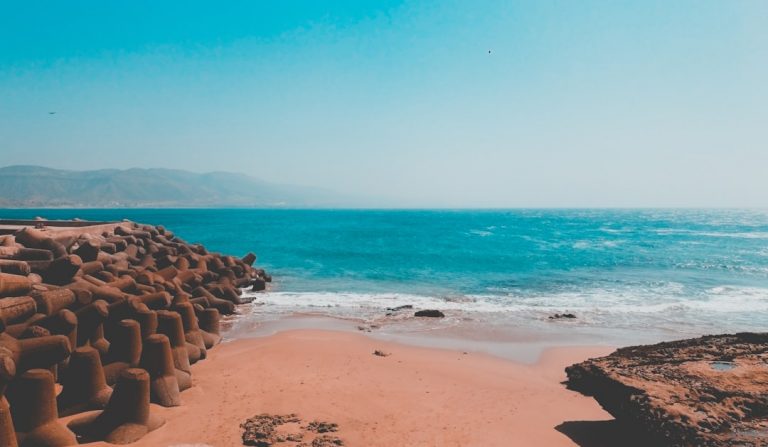
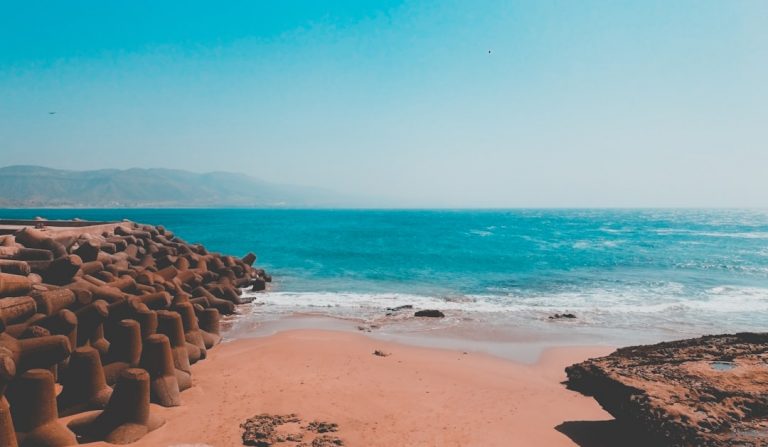
When I first heard whispers of the “Moroccan Riviera,” I imagined something akin to the French Côte d’Azur, perhaps with a touch more sand. What I found was something far more raw, far more authentic, and infinitely more compelling. The Souss-Massa region, stretching along the Atlantic coast south of Agadir, is a world away from the Red City’s frenetic energy. Here, the pace slows, the air is filled with the briny scent of the ocean, and the landscapes shift from ochre dunes to dramatic cliffs plunging into the azure sea.
Taghazout: A Surfer’s Paradise with Soul
Most visitors to this coast know of Agadir, its sprawling beaches and resort hotels. But just a short drive north lies Taghazout, a village that has transitioned from a humble fishing community to a global surfing mecca. Yet, despite its international acclaim, Taghazout has managed to retain an undeniable charm. It’s a place where sun-bleached buildings cling to the hillside, adorned with vibrant bougainvillea, and where the daily rhythm is dictated by the swell.
Catching the Waves and the Vibe
As someone who’s always been drawn to the ocean’s power, I found myself captivated by Taghazout. Even if you’re not a seasoned surfer, the energy of the place is infectious. I spent my mornings watching the surfers dance on the waves, their silhouettes against the sunrise a sight I won’t soon forget. Afternoons were for leisurely strolls along the beach, dodging playful dogs and chatting with local fishermen mending their nets. The small cafes lining the shore offer freshly grilled sardines, a taste of the ocean that’s impossible to replicate. I even tried my hand at a beginner surf lesson, an experience that was as humbling as it was exhilarating, leaving me with a newfound respect for those who make these waves their playground. The evenings in Taghazout are just as enchanting, with the sounds of Gnawa music often drifting from open doorways and the sky painted with hues of orange and purple as the sun dips below the horizon.
The Old Fishing Village Charm
Beyond the surf schools and trendy cafes, the heart of Taghazout lies in its old fishing village. Here, life moves at a different pace. I wandered through narrow alleys, past whitewashed houses with their weathered wooden doors. The air was filled with the scent of drying fish and the murmur of conversations in Darija. I met an elderly fisherman, his hands gnarled from years of hard work, who, with a twinkle in his eye, shared stories of the village’s past, of bountiful catches and the changing tides of tourism. It’s in these quiet corners, where life unfolds organically, that the true essence of Taghazout can be found.
Sidi Ifni: A Taste of Colonial Nostalgia
Further south, clinging to a rugged coastline, lies Sidi Ifni. This former Spanish enclave offers a starkly different coastal experience. Its architecture whispers of a bygone era, with faded Art Deco buildings and a palpable sense of melancholic beauty. It’s a place that feels frozen in time, a poignant reminder of Morocco’s complex colonial past.
The Blue Pearl of the Atlantic
Sidi Ifni is often referred to as the “Blue Pearl of the Atlantic” due to its striking blue architecture. As I explored the town, I was struck by the uniformity of the color, a constant, soothing presence against the vibrant hues of the ocean. The central square, with its grand but crumbling colonial buildings, offers a glimpse into a more prosperous past. I sat at a cafe in the plaza, sipping mint tea and watching the world go by, imagining what life must have been like when this was a bustling administrative center.
Legzira Beach and its Natural Arches
The true magic of Sidi Ifni, however, lies just outside its town limits at Legzira Beach. Famous for its dramatic natural arches carved by the relentless Atlantic waves, this is a spectacle of nature that rivals any man-made wonder. I stood in awe at the base of these colossal stone formations, intricate sculptures shaped by millennia of erosion. The sheer scale of them is humbling, and the way the sunlight filters through the gaps, casting ethereal patterns on the sand, is truly mesmerizing. I spent hours exploring the beach, climbing over rocks, and taking in the raw, untamed beauty of the coastline. It’s a place that begs to be photographed, but more importantly, a place that begs to be experienced, to feel the spray of the ocean and the vastness of the sky.
If you’re intrigued by the lesser-known attractions of Morocco, you might also enjoy exploring the article on bucket list destinations that highlight unique experiences around the world. This resource provides insights into various hidden gems that can complement your travels in Morocco, offering a broader perspective on off-the-beaten-path adventures. Check it out here: Bucket List Destinations.
The Atlas Mountains: Beyond the Berber Villages
When I think of the Atlas Mountains, I often envision the iconic Toubkal, Morocco’s highest peak, a challenge for serious trekkers. And while that’s an incredible experience, the Atlas range offers so much more for the curious traveler. It’s a tapestry of dramatic landscapes, ancient traditions, and communities that have carved their lives out of this formidable terrain for centuries.
Imlil: The Gateway to the High Atlas
Imlil is the starting point for most expeditions to Mount Toubkal, and as such, it sees its fair share of hikers. But beyond the throngs heading for the summit, Imlil itself is a captivating destination, nestled in a verdant valley at the foothills of the majestic peaks. The air is crisp and clean, and the scent of pine mixes with the earthy aroma of the surrounding landscape.
Trekking the Valleys and Beyond
Forget the arduous climb to Toubkal if that’s not your ambition. The beauty of Imlil lies in its accessibility to shorter, equally stunning hikes. I embarked on a guided trek through the surrounding valleys, a journey that took me past terraced fields bursting with almond and walnut trees, through traditional Berber villages, and along gurgling mountain streams. My guide, a local Berber man named Hassan whose family had lived in the region for generations, shared insights into the local flora and fauna, and the intricate agricultural practices that sustain these communities. We stopped for a traditional Berber lunch in a village home – a delicious tagine made with ingredients sourced directly from their garden.
Experiencing Berber Hospitality
The true heart of Imlil lies in its people. The Berber communities here are incredibly welcoming, and staying in a traditional guesthouse is an experience in itself. I opted for a smaller, family-run establishment, and the hospitality was exceptional. Mornings began with a hearty breakfast of msemen (Moroccan pancakes) and fresh goat cheese, all prepared by the matriarch of the family. Evenings were spent gathered around a fire, sharing stories and learning about Berber customs and traditions. It’s in these simple, genuine interactions that I felt I truly connected with the spirit of the Atlas Mountains.
Ait Ben Haddou: A Living Film Set
While Ait Ben Haddou has gained recognition as a UNESCO World Heritage site and a popular filming location for Hollywood blockbusters, its true allure lies in its authenticity and the sense of stepping back in time. This ancient ksar, a fortified village, rises majestically from the desert landscape, its ochre-colored kasbahs and communal buildings a testament to traditional Moroccan architecture.
Wandering Through the Ancient Ksar
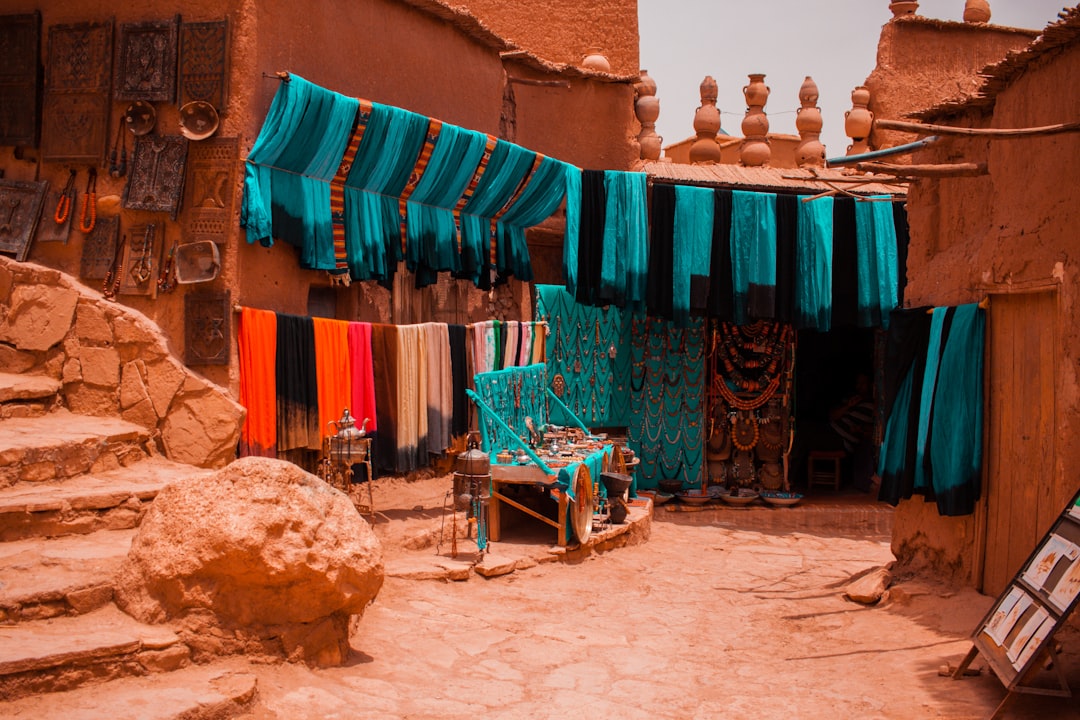
I spent an entire afternoon getting lost within the labyrinthine alleys of Ait Ben Haddou. The towering mud-brick structures, some well-preserved, others in various states of decay, create a captivating atmosphere. Sunlight cast dramatic shadows, and the silence, broken only by the occasional bleating of a goat or the call to prayer, added to the sense of enchantment. I climbed to the highest point of the ksar, the old granary, and was rewarded with panoramic views of the surrounding palm groves and the stark beauty of the desert beyond. It’s a place that feels alive with history, where every stone seems to hold a story.
The Artisans and Storytellers
While Ait Ben Haddou is undoubtedly a tourist attraction, it’s also a living community. I encountered local artisans selling their handcrafted goods, from intricate carpets to painted ceramics. Unlike in the bustling souks of the larger cities, here the interactions felt more personal, more focused on sharing their craft. I spent time talking with a woman who was meticulously weaving a traditional Berber rug, her fingers moving with practiced ease. She explained the symbolism behind the patterns, each motif telling a story passed down through generations. These encounters, far from the commercial hustle, were incredibly enriching.
The Northern Coast: Beyond the Imperial Cities
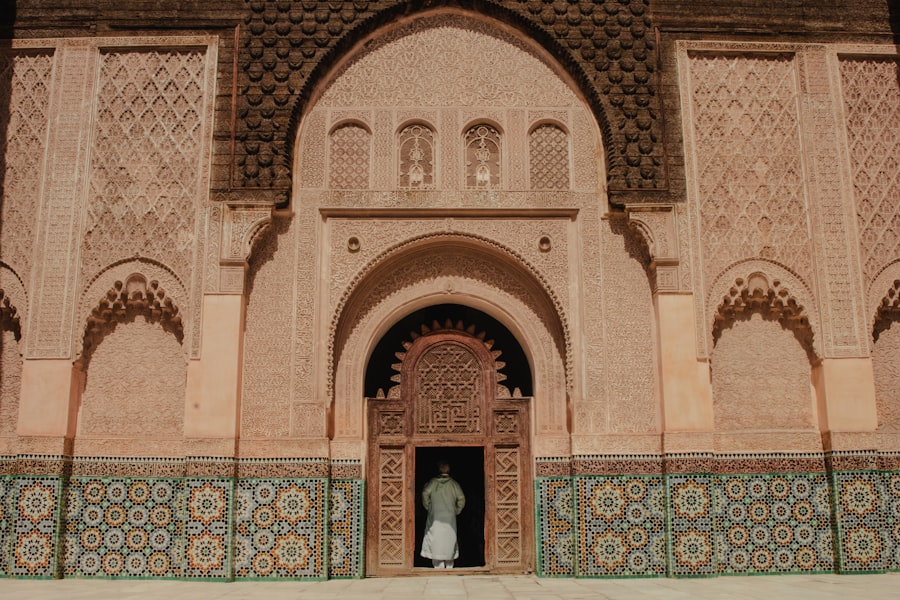
While Fes and Tangier often draw visitors to Morocco’s north, there’s a stretch of coastline and hinterland that remains blissfully undiscovered by the typical tourist. This region, particularly the Rif Mountains and their coastal fringes, offers a different kind of Moroccan experience – one of natural beauty, unique cultural traditions, and a laid-back charm that’s utterly captivating.
Chefchaouen: The Blue City’s Serene Neighbor
Chefchaouen, the famed “Blue City,” is certainly a gem, but its popularity means it can sometimes feel a little overwhelming. It’s here that I discovered a more tranquil pace, a more intimate glimpse of the surrounding region.
Moulay Idriss Zerhoun: A Sacred Hillside Town
Just a short drive from Meknes, and often overlooked by those rushing between the larger imperial cities, lies Moulay Idriss Zerhoun. This sacred hillside town is one of Morocco’s holiest cities, a place of pilgrimage and spiritual significance. Its whitewashed buildings cling precariously to the slopes of Mount Zerhoun, offering breathtaking views over the surrounding plains.
The Spiritual Heart of Morocco
As I ascended the winding streets of Moulay Idriss, I felt a palpable sense of peace. The town is dominated by the mausoleum of Moulay Idriss I, the founder of the Idrisid dynasty and one of Morocco’s most revered saints. While non-Muslims cannot enter the mausoleum itself, the atmosphere around it is one of deep respect and devotion. I sat in the main square, watching pilgrims offer their prayers and soak in the spiritual energy of the place. The narrow alleys leading away from the main shrine are equally charming, filled with small shops selling religious artifacts and local crafts.
Volubilis: Echoes of Roman Morocco
Adjacent to Moulay Idriss lies Volubilis, the remarkably well-preserved ruins of a Roman provincial capital. The site is stunning, with towering mosaics, intact Roman baths, and the remnants of basilicas and triumphal arches. It’s a tangible link to Morocco’s ancient past, a testament to its multicultural heritage. I spent hours wandering through the ruins, imagining the bustling city that once stood here, the chariots rumbling down the streets, the citizens going about their daily lives. The juxtaposition of the ancient Roman grandeur against the backdrop of the modern Moroccan landscape is truly remarkable.
Asilah: Art and Ocean Breezes
On the Atlantic coast, north of Rabat, lies the fortified coastal town of Asilah. While it’s gaining some traction for its annual arts festival, much of its charm remains a well-kept secret. Asilah is a visual delight, with its whitewashed medina walls adorned with vibrant murals, a stark contrast to the rugged beauty of the coastline.
The Medina’s Artistic Canvas
Asilah’s medina is a living art gallery. Every year, international and local artists are invited to paint murals on the city’s walls, transforming the narrow streets into a vibrant, ever-evolving canvas. I spent my days exploring these colorful alleyways, each turn revealing a new masterpiece. The art is diverse, ranging from abstract designs to intricate portraits, reflecting the multicultural influences that have shaped this port town. The contrast between the bright, modern art and the ancient, whitewashed buildings creates a unique and captivating aesthetic.
The Ramparts and the Atlantic
The historic ramparts surrounding Asilah offer stunning views of the Atlantic Ocean. I walked along these ancient walls, feeling the salty spray on my face and listening to the roar of the waves crashing against the shore. The sight of the fishing boats bobbing in the harbor and the fishermen mending their nets adds to the authentic coastal atmosphere. Asilah offers a sense of tranquility, a welcome respite from the more crowded tourist hubs. I found myself drawn to its quiet corners, to the small cafes overlooking the sea, and to the simple pleasure of watching the sunset paint the sky in fiery hues.
The Eastern Frontier: Desert Landscapes and Ancient Kasbahs
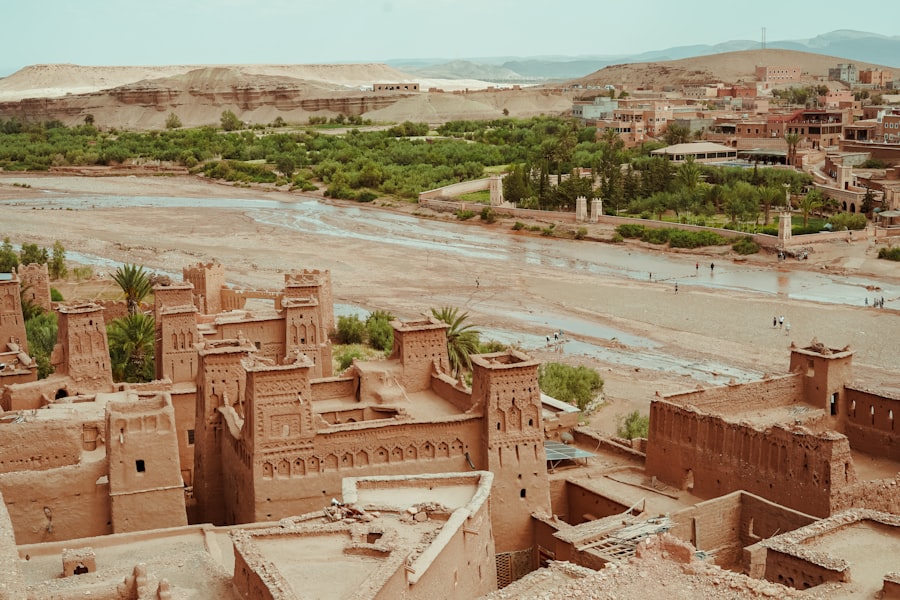
Morocco’s eastern border, often overlooked in favor of the more accessible parts of the Sahara, holds a unique allure for the adventurous traveler. This is a land of vast, untouched desert landscapes, ancient fortified villages (ksars), and a rich Berber heritage that remains deeply rooted in tradition.
Merzouga’s Serene Neighbor: A Different Sahara Experience
While Merzouga is the gateway to the Erg Chebbi dunes, the larger, more commercially developed desert experience, there are other, more serene corners of the Sahara that offer a deeper connection with the desert’s soul.
Zagora and the Draa Valley Oasis
Further south, the town of Zagora sits at the edge of the vast Draa Valley, Morocco’s longest river valley. This region is a ribbon of green cutting through the arid landscape, dotted with ancient ksars and palm groves. It’s a starkly beautiful region, a testament to the resilience of life in the desert. I traveled along the Draa Valley, stopping at various villages and ksars, each with its own unique story to tell. The palm oases are incredibly verdant, a welcome splash of life against the stark backdrop of the desert.
The Ancient Ksars of the Draa
The Draa Valley is home to some of the most impressive and well-preserved ksars in Morocco. These fortified villages, built from earth and straw, stand as silent witnesses to a bygone era of nomadic life and caravan routes. I explored ksars like Tissergate and Tamnougalt, walking through their maze-like alleys, admiring the intricate architecture, and imagining the lives of the people who once inhabited them. Some of these ksars are still inhabited, offering a glimpse into the enduring traditions of the Berber communities.
Camel Treks into the Tranquil Dunes
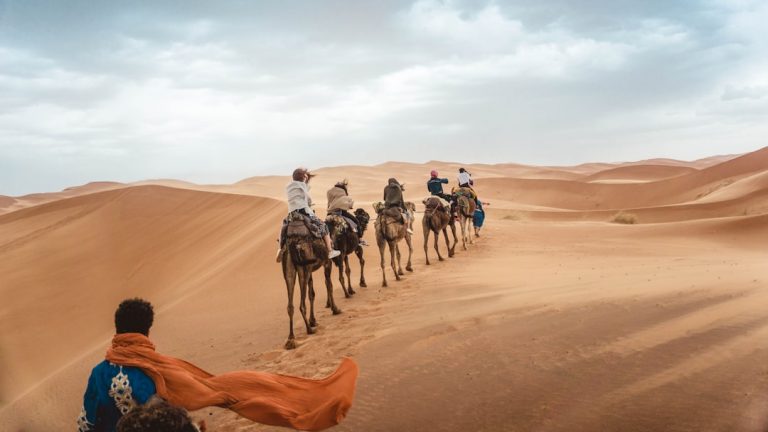
While Erg Chebbi is undeniably spectacular, the dunes near Zagora, such as those at Tamegroute, offer a more tranquil and intimate desert experience. I opted for a multi-day camel trek into these less-visited dunes. The silence of the desert was profound, a spiritual balm. As our camels swayed rhythmically beneath us, the vast expanse of golden sand stretched out in every direction, punctuated only by the occasional solitary acacia tree. Nights were spent under a canopy of stars so bright they seemed to ignite the desert sky, sharing stories with our Berber guides around a crackling campfire. This was the Sahara I had always dreamed of – wild, majestic, and utterly peaceful.
Figuig: The Oasis on the Algerian Border
Tucked away in the far east of Morocco, near the Algerian border, lies Figuig. This is a truly remote and relatively untouched oasis town, a place where time seems to have slowed to a crawl. Figuig is known for its unique architecture, its extensive date palm groves, and its welcoming people.
The Seven Ksars of Figuig
Figuig is not just one ksar, but a collection of seven distinct ksour, or fortified villages, each with its own character and history. I spent days wandering between these ancient settlements, marveling at the ingenuity of their design and the resilience of their inhabitants. The date palm groves are extensive, providing shade and sustenance for the community. The irrigation systems, still in use today, are a testament to centuries of agricultural knowledge.
A Glimpse into Traditional Oasis Life
Figuig offers a rare glimpse into a traditional oasis lifestyle that has remained largely unchanged for generations. The people here are deeply connected to their land and their traditions. I was fortunate enough to be invited into a local home, where I shared mint tea and learned about the daily life of the oasis dwellers. The pace of life is dictated by the rhythm of the sun and the needs of the palm trees. It’s a stark contrast to the bustling metropolises and even the more popular tourist destinations, and for that reason, it felt incredibly special.
If you’re intrigued by the lesser-known attractions of Morocco, you might also find value in exploring the essential supplements that can enhance your overall health while traveling. For a deeper understanding of how to maintain your well-being on your adventures, check out this insightful article on essential supplements for women’s health. This resource can help ensure that you feel your best as you uncover the hidden gems of Morocco that most tourists never discover.
The Middle Atlas: Mountains, Forests, and Unexpected Wildlife
While the High Atlas often steals the spotlight, Morocco’s Middle Atlas offers a different, yet equally enchanting mountainous landscape. This region is characterized by its cedar forests, its pristine lakes, and a surprising diversity of wildlife, including the famed Barbary macaques.
Azrou and Ifrane: Alpine Charm and Cedar Forests
The towns of Azrou and Ifrane in the Middle Atlas are often described as having an “alpine feel,” a description that, while fitting, doesn’t quite capture the unique Moroccan essence of these places.
The Barbary Macaque Encounters
The cedar forests surrounding Azrou are the natural habitat of the Barbary macaques, a species of monkey found only in this part of the world. My visit to Azrou was primarily motivated by the chance to see these fascinating creatures. I found them in abundance, interacting with each other and with the occasional bold tourist offering a piece of fruit. It was a memorable experience, watching these intelligent animals in their natural environment, their playful antics bringing smiles to everyone’s faces.
Cedar Forests and Ifrane’s “Swiss” Appeal
Beyond the macaques, the vast cedar forests are a joy to explore. I embarked on a hike through these ancient woods, the scent of cedar filling the air and the sunlight dappling through the dense canopy. The town of Ifrane, with its distinctive red-tiled roofs and chalets, is often referred to as “Little Switzerland.” While it does evoke a European feel, it’s still distinctly Moroccan, a unique blend of architectural styles and cultural influences. It’s a refreshing change of scenery and a perfect base for exploring the natural beauty of the Middle Atlas.
Connecting with the Soul of Morocco: Beyond the Tourist Trail
My journey through these hidden gems has taught me that Morocco is a land of infinite possibilities, a country that rewards curiosity and encourages exploration. It’s in the quiet interactions with locals, in the breathtaking vistas that appear around unexpected bends, and in the simple pleasure of discovering a place that still feels untouched, that the true magic of Morocco lies. These are not just destinations; they are experiences that enrich the soul and leave an indelible mark on the traveler. And as I continue to explore this captivating country, I know there are still countless more hidden treasures waiting to be unearthed, waiting to be discovered. I urge you, when you next consider Morocco, to step away from the well-trodden path. Venture a little further. You might just find your own unforgettable Moroccan story.