12 Best Places to Visit in Croatia for an Unforgettable Trip
My heart beats for travel, and few places have captured my imagination quite like Croatia. Its sparkling Adriatic Sea, ancient walled cities, and lush national parks offer a tapestry of experiences I’ve yearned to discover. Having explored much of this magnificent country, I can confidently share my insights on the twelve best places to visit in Croatia for an unforgettable trip. My journey through this land has been filled with awe, wonder, and a profound appreciation for its beauty and history. Come with me as I recount my adventures and guide you through the highlights of Croatia.
My love affair with Croatia truly blossomed along its Southern Dalmatian Coast. It’s here that the country’s ancient history merges seamlessly with the breathtaking beauty of the Adriatic, and I found myself utterly captivated.
Dubrovnik: The Pearl of the Adriatic
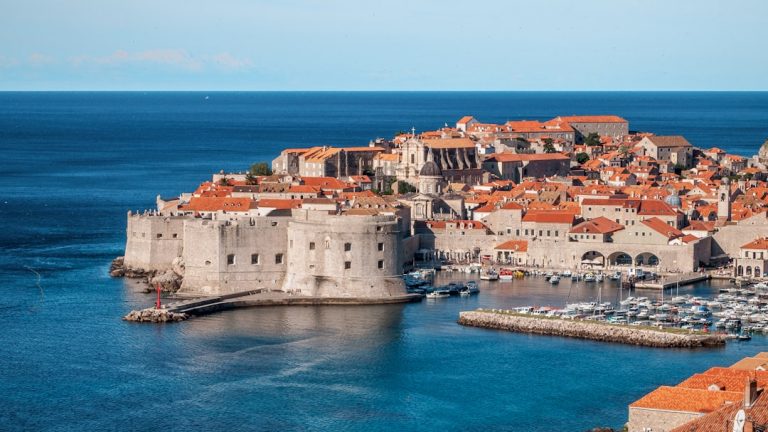
Ah, Dubrovnik! The moment I first laid eyes on its ancient city walls, rising majestically from the turquoise sea, I understood why it’s called the “Pearl of the Adriatic.” My initial impression was one of being transported back in time, a feeling that only intensified as I stepped through the Pile Gate.
My Walk Along the City Walls
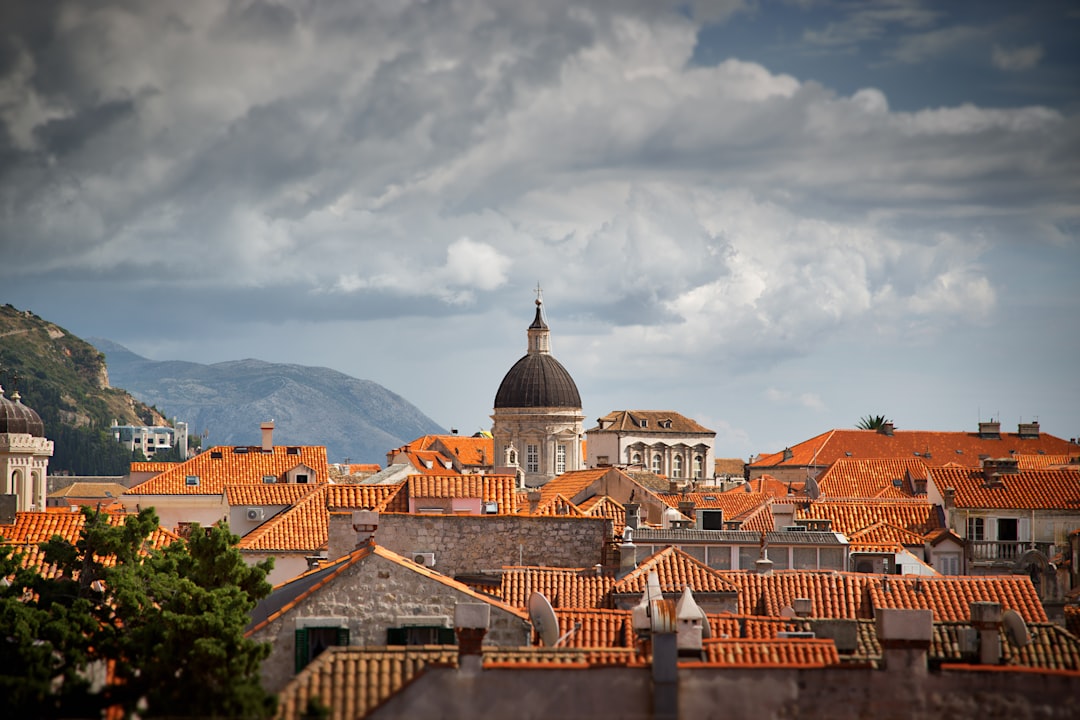
My absolute highlight in Dubrovnik was undoubtedly walking the city walls. I started early in the morning to beat the crowds and the summer heat, a decision I highly recommend. As I circumnavigated the entire perimeter, a breathtaking panorama unfolded before me. To my left, the endless expanse of the Adriatic glittered under the sun, dotted with boats. To my right, the terracotta rooftops of the Old Town spread out like a mosaic, punctuated by church spires and bell towers. I paused at various viewpoints, soaking in the grandeur, imagining centuries of history unfolding below me. The sheer scale of the fortifications, built to protect this prosperous maritime republic, left me in awe.
Exploring the Stradun and Hidden Alleys
After my exhilarating wall walk, I descended into the heart of the Old Town, the Stradun. This limestone-paved main street, polished smooth by centuries of footsteps, bustled with life. I joined the flow of people, admiring the elegant Baroque architecture, browsing in the charming boutiques, and occasionally ducking into one of the many cafes for a refreshing drink. But it was in the labyrinthine side alleys off the Stradun that I truly felt I discovered Dubrovnik’s soul. These narrow, winding passages, often leading to hidden squares or quaint restaurants, offered a delightful escape from the main thoroughfare. I stumbled upon local artisans, small galleries, and ancient wells, each discovery feeling like a personal treasure.
A Cable Car Ride to Srđ Hill
For a different perspective, I took the cable car up to Srđ Hill. The ride itself offered increasingly spectacular views, but nothing prepared me for the vista from the summit. The entire Old Town of Dubrovnik lay spread out beneath me, a miniature masterpiece against the vast blue of the sea. It was a moment of profound beauty and reflection, truly putting the city’s strategic importance and its iconic status into perspective. I lingered there, mesmerized, watching the sun begin its descent, painting the sky in fiery hues.
Korčula Island: A Medieval Gem with Venetian Charm
My journey continued to Korčula Island, a place that immediately charmed me with its unique blend of medieval history and relaxed island vibe. I took a ferry, enjoying the sea breeze, and as I approached the Old Town, it reminded me somewhat of a miniature Dubrovnik, albeit with its own distinct character.
Wandering Through Korčula Town’s Old Town
Korčula Town’s Old Town is a meticulously preserved medieval walled city, and I revelled in its narrow, herringbone-patterned streets. This unique layout, designed perhaps to mitigate the strong winds, created a wonderful sense of enclosure and intimacy. I loved getting lost (intentionally, of course) within its stone walls, discovering ancient churches, charming piazzas, and hidden courtyards. Every corner seemed to tell a story. Legend has it that Marco Polo was born here, and while debates continue, I enjoyed visiting the supposed birthplace and imagining tales of his travels.
Wine Tasting in Lumbarda
Korčula is renowned for its wine, particularly the white Grk grape, which grows almost exclusively in the sandy soils around Lumbarda. I couldn’t pass up the opportunity for a wine tasting, and it was a delightful experience. Visiting a small family-run winery, I learned about the unique cultivation methods and the distinctive characteristics of Grk wine – its dry, full-bodied flavour with hints of herbs and minerals. Sipping it while overlooking the vineyards and the shimmering sea was an authentic taste of the island’s heritage.
If you’re planning an unforgettable trip to Croatia, you might also be interested in exploring nearby destinations, such as the enchanting city of Venice. Known for its stunning canals and rich history, Venice offers a unique experience that complements your Croatian adventure. For more insights into this beautiful Italian city, check out the article on Venice at Footsteps and Food.
The Majestic Adriatic Archipelagos and Coastal Wonders
My travels through Croatia consistently brought me to its truly breathtaking coastline and the scattered jewels of its islands. Each one offered a unique flavour, a different kind of beauty, but all united by the pristine Adriatic.
Hvar Island: Glamour, History, and Lavender Fields
From Korčula, I ventured to Hvar, an island celebrated for its vibrant nightlife, stunning beaches, and fragrant lavender fields. It’s a place where ancient history and modern chic coexist harmoniously.
Hvar Town’s Bustling Harbour and Fortica
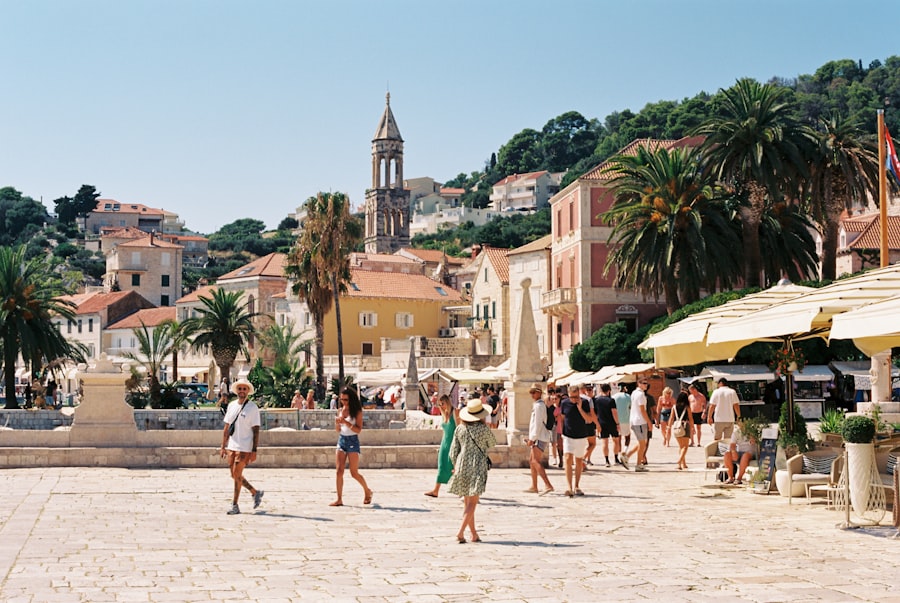
My first impression of Hvar Town was its magnificent harbour, lined with yachts of all sizes, bustling with activity, and framed by beautiful Venetian architecture. I loved strolling along the waterfront, people-watching at one of the many cafes, and soaking in the lively atmosphere. For a panoramic view that truly takes your breath away, I hiked up to the Fortica, the Spanish Fortress that overlooks the town. The climb wasn’t too strenuous, and the reward was a spectacular vista of Hvar Town, the Pakleni Islands scattered like emeralds across the sapphire sea, and the distant mainland. It was a view I carried with me long after I descended.
Exploring the Pakleni Islands by Boat
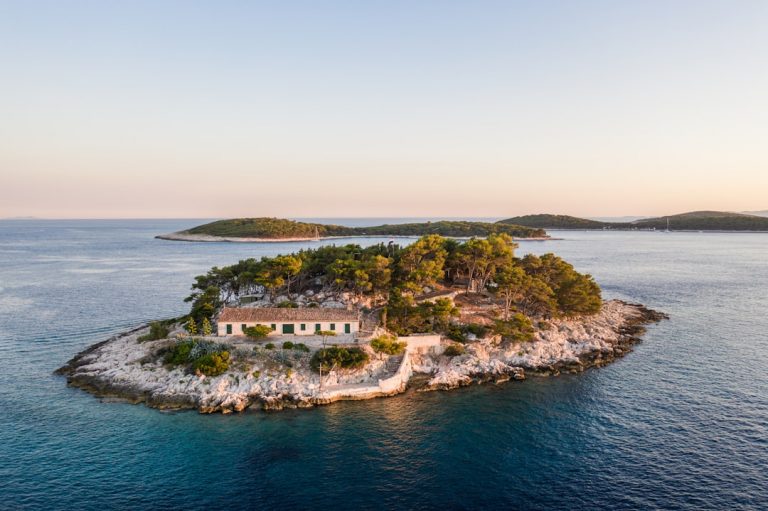
One of my favourite days on Hvar was spent exploring the Pakleni Islands (often translated as “Hell’s Islands,” but more likely referring to “paklina,” a type of pine resin). I rented a small boat for the day, which allowed me the freedom to discover hidden coves and secluded beaches at my own pace. I dropped anchor in pristine bays, swam in the incredibly clear, warm water, and simply revelled in the tranquility. Each island seemed to offer its own special charm, from pebble beaches to lush pine forests. It felt like a true escape.
Split: A Palace City Alive
My journey north along the coast brought me to Split, a city that immediately captivated me. Unlike many ancient sites that feel like museums, Split’s heart, Diocletian’s Palace, is a living, breathing part of the city.
Diocletian’s Palace: A Living Ruin
Stepping into Diocletian’s Palace was like entering a time warp. This isn’t just a ruin; it’s a vibrant, bustling urban core. I found myself walking through ancient Roman courtyards, subterranean basements, and narrow alleyways that have been continuously inhabited for over 1,700 years. People live, work, and socialise within its ancient walls. I particularly enjoyed exploring the Peristyle, the central courtyard, imagining emperors once addressing their subjects here, and now it’s a lively gathering spot. Climbing the bell tower of the Cathedral of St. Domnius (originally Diocletian’s mausoleum) offered me truly unforgettable views over the palace rooftops and out to the harbour. The sheer scale and preservation of this palace are astounding.
Riva Promenade and Marjan Hill
Beyond the palace, I found myself drawn to the Riva, Split’s palm-lined waterfront promenade. It’s the city’s living room, where locals and tourists alike gather to enjoy coffee, chat, and watch the world go by. I spent many an hour here, simply soaking in the atmosphere. For a dose of nature and another stunning view, I walked up Marjan Hill, a beautiful park forest on the western side of the city. The trails led me through fragrant pine trees, past ancient churches, and eventually to viewpoints offering panoramic vistas of Split, the surrounding islands, and the deep blue of the Adriatic. It felt like a wonderful escape from the urban bustle.
If you’re planning an unforgettable trip to Croatia, you might also be interested in exploring some unique experiences that can enhance your journey. One such experience is detailed in an article about a magical dining experience called “Closer to the Moon,” which offers breathtaking views and a memorable atmosphere. You can read more about it here. This could be the perfect complement to your visit to the 12 best places in Croatia, ensuring that your adventure is truly one-of-a-kind.
Brač Island: Golden Horn and Tranquil Villages
Just a short ferry ride from Split is Brač, the largest island in Dalmatia, known for its white stone and one of Croatia’s most iconic beaches.
Zlatni Rat Beach (Golden Horn)
Zlatni Rat, or the Golden Horn, is truly a natural marvel, and I absolutely had to see it for myself. This unique shingle beach extends like a tongue into the Adriatic Sea, constantly shifting its shape with the currents and winds. I spent a glorious afternoon here, swimming in the crystal-clear waters and admiring the distinctive shape. It’s a popular spot, but its size prevents it from feeling overly crowded, and the pine forest behind offers welcome shade.
Exploring Bol and Postira Villages
While Zlatni Rat is the star attraction, I also enjoyed exploring the charming villages of Brač. Bol, the town adjacent to Zlatni Rat, has a pleasant harbour and a relaxed vibe. I loved sitting at a cafe, watching the boats, and enjoying fresh seafood. For a quieter, more authentic experience, I also ventured to Postira, a picturesque fishing village on the northern side of the island. Here, life moves at a slower pace, and I enjoyed wandering its narrow streets, admiring the traditional stone houses, and soaking in the tranquil atmosphere. It offered a lovely contrast to the more bustling tourist spots.
The Northern Charms: Istria’s Italianate Beauty and Plitvice’s Natural Splendor
My Croatian odyssey wouldn’t be complete without journeying further north, where the landscape shifts, hinting at influences from neighbouring Italy, and where nature unveils some of its most spectacular creations.
Rovinj: A Jewel of the Istrian Peninsula
As I reached Istria, the distinct Italian influence was immediately palpable, especially in Rovinj. This utterly picturesque fishing port is often cited as one of the most beautiful towns in Croatia, and I wholeheartedly agree.
St. Euphemia’s Church and Bell Tower
The silhouette of Rovinj, dominated by the graceful bell tower of St. Euphemia’s Church, is something I admired from afar as I approached the town. The climb up to the church itself was a delightful winding journey through cobbled streets. Once I reached the top, the views from the church square were phenomenal, offering a panoramic sweep of the terracotta rooftops, the scattered islands, and the endless blue of the Adriatic. I even ventured up the bell tower for an even more breathtaking 360-degree vista, well worth the effort.
Wanderings through the Old Town and Artists’ Streets
Rovinj’s Old Town is a dream for photographers and wanderers alike. Its narrow, cobbled streets ascend steeply from the harbour, opening up into charming piazzas and hidden viewpoints. I spent hours simply getting lost, discovering artisan workshops, small art galleries, and quaint restaurants tucked away in ancient buildings. Each turn revealed a new vista or a charming detail, from colourful shutters to overflowing flower boxes. The atmosphere here is utterly charming and romantic.
Pula: Roman Grandeur in Istria
From Rovinj, I journeyed to Pula, a city that proudly showcases its rich Roman heritage, particularly its magnificent amphitheatre.
The Pula Arena: A Glimpse into Roman Times
The Pula Arena is the most complete Roman amphitheatre outside of Italy, and witnessing it in person was a powerful experience. I walked through its echoing corridors, stood on the arena floor where gladiators once fought, and imagined the roar of the crowds. It’s incredibly well-preserved, and I found myself picturing the spectacles that once took place within its massive stone walls. Attending a concert or film festival here, as they often do in the summer, must be an truly unforgettable experience.
Temple of Augustus and the Forum
Beyond the arena, Pula’s Roman past is evident throughout the city. I visited the Temple of Augustus, an impressively preserved Roman temple now housing a small collection of ancient sculptures, and then explored the Forum, which remains the city’s main square, much as it was in Roman times. These sites, along with other scattered Roman arches and gates, offered a compelling journey back to the ancient world, allowing me to trace the footsteps of emperors and citizens.
Plitvice Lakes National Park: Nature’s Masterpiece
My final, and perhaps most awe-inspiring, destination wasn’t on the coast at all, but inland – Plitvice Lakes National Park. This UNESCO World Heritage site is a testament to Croatia’s incredible natural beauty.
Cascading Lakes and Waterfalls
Upon entering Plitvice, I was immediately struck by the otherworldly beauty of the landscape. A series of 16 interconnected lakes, arranged in cascades, are separated by natural travertine dams and feed into countless waterfalls and grottoes. The water transitions through shades of emerald, turquoise, and azure, depending on the mineral content and angle of the sun. My walk along the wooden boardwalks felt like stepping into a fairy tale. I spent hours meandering, mesmerized by the constant rush and roar of water, the sheer clarity of the lakes, and the lush, green surroundings. Every view was a postcard-perfect moment.
Exploring the Upper and Lower Lakes
The park is divided into Upper and Lower Lakes, and I made sure to explore both sections. The Upper Lakes are generally wider and surrounded by denser forest, offering a more serene experience, while the Lower Lakes are more dramatic, featuring the park’s highest waterfall, Veliki Slap (the Great Waterfall). A convenient system of electric boats and shuttle buses connects different sections of the park, making it easy to cover the vast area. I chose to use these sparingly, preferring to walk as much as possible, as each turn on the winding paths revealed new, breathtaking vistas. My time here felt like a spiritual communion with nature.
The Northern Coastline: Hidden Gems and Quaint Seaside Towns
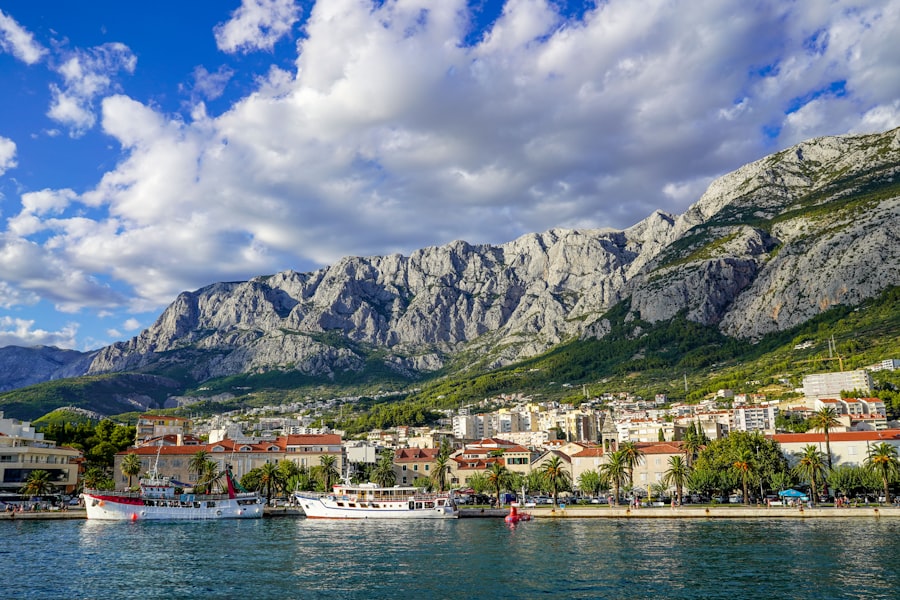
As I continued my exploration of Croatia, the coastline north of Split revealed yet more treasures, from historic cities to tranquil islands, each with its own special allure.
Trogir: A Medieval Marvel Frozen in Time
Just a short drive from Split lies Trogir, a UNESCO World Heritage site that truly feels like a living museum. As I crossed the bridge onto the tiny island where the Old Town is situated, I felt as though I was stepping into a medieval painting.
Cathedral of St. Lawrence and Kamerlengo Fortress
My first stop in Trogir was the magnificent Cathedral of St. Lawrence. Its Romanesque portal, with incredibly intricate carvings, is a masterpiece of medieval art, and I spent a considerable amount of time admiring its details. I then made the ascent up the bell tower for a truly rewarding panoramic view of Trogir’s terracotta rooftops, its narrow streets, and the surrounding azure waters. Later, I explored the Kamerlengo Fortress, a robust 15th-century castle on the waterfront. Walking its battlements offered a different perspective of the town and provided a wonderful vantage point for watching the boats in the harbour.
Wandering Trogir’s Narrow Streets
Trogir’s charm lies in its remarkably well-preserved medieval street plan. I revelled in simply wandering its narrow, winding alleys, discovering hidden courtyards, charming squares, and ancient stone houses. Every corner seemed to reveal a new architectural detail or a quaint shop. It’s a town best experienced by simply getting lost within its charming confines, letting its history unfold around you. I found a delightful little cafe tucked away in an ancient building and enjoyed a leisurely coffee, soaking in the timeless atmosphere.
Zadar: Roman Ruins and Modern Art Installations
Further north along the coast, Zadar presented a fascinating blend of ancient history and innovative contemporary art. It’s a city that continuously reinvents itself while honouring its past.
Roman Forum and St. Donatus Church
Zadar’s Roman past is immediately evident in its remarkably preserved Roman Forum, right in the heart of the city. I wandered among the ancient columns and scattered ruins, imagining the bustling market life that once thrived there. Dominating the Forum is the iconic pre-Romanesque Church of St. Donatus, a distinctive circular building that has become a symbol of Zadar. Its unique architecture and sheer age truly impressed me, and I appreciated the chance to step inside and experience its ancient acoustics.
The Sea Organ and Greeting to the Sun
What truly sets Zadar apart, however, are its two incredible modern art installations. The Sea Organ, designed by local architect Nikola Bašić, is a series of underwater pipes that create hauntingly beautiful, ethereal melodies as the waves push air through them. I sat on the marble steps, mesmerized by the natural music, a truly unique sensory experience. Nearby is the “Greeting to the Sun,” a vast circular solar-powered light installation that lights up at night, creating a dazzling display of colours. I made sure to be there at sunset, watching the sun dip below the horizon while listening to the Sea Organ and then witnessing the light show begin. It was a magical and unforgettable way to end my day in Zadar.
Krka National Park: Waterfalls and Monastery Serenity
My final foray into Croatia’s natural wonders took me to Krka National Park, a place of stunning waterfalls and rich cultural heritage. Although similar in some ways to Plitvice, Krka offered its own distinct charm and a different experience.
Skradinski Buk and Roški Slap Waterfalls
The main attraction in Krka is undoubtedly Skradinski Buk, a magnificent series of 17 cascades over a distance of 800 meters. What immediately struck me was the sheer power and beauty of the falls. I walked along the well-maintained boardwalks, enjoying the misty air and the thunderous roar of the water. Unlike Plitvice, at certain designated areas in Krka, swimming is permitted in the natural pools below some of the waterfalls (though rules can change, so always check first), which was a refreshing and exhilarating experience. I also ventured further to Roški Slap, another impressive waterfall area, albeit less crowded. The surrounding nature here felt wilder and more serene.
Visovac Monastery on Visovac Lake
A truly unique aspect of Krka is the presence of Visovac Island, home to a beautiful Franciscan monastery, situated in the middle of Visovac Lake. I took a boat trip from Skradinski Buk, gliding across the tranquil turquoise waters. Approaching the tiny island, with the monastery appearing almost to float on the water, was incredibly scenic. Stepping onto the island, I found a peaceful sanctuary, home to a rich library and art collection. It offered a wonderful blend of natural beauty and cultural heritage, a truly serene and reflective experience after the vibrant energy of the waterfalls.
My journeys through these twelve incredible destinations in Croatia have woven together a tapestry of unforgettable memories. From the ancient walls of Dubrovnik to the cascading lakes of Plitvice, the sun-drenched islands to the Roman grandeur of Pula, Croatia has offered me an unparalleled travel experience. Its history, culture, natural beauty, and warm hospitality have left an indelible mark on my heart, and I eagerly anticipate my next return to this extraordinary country.