
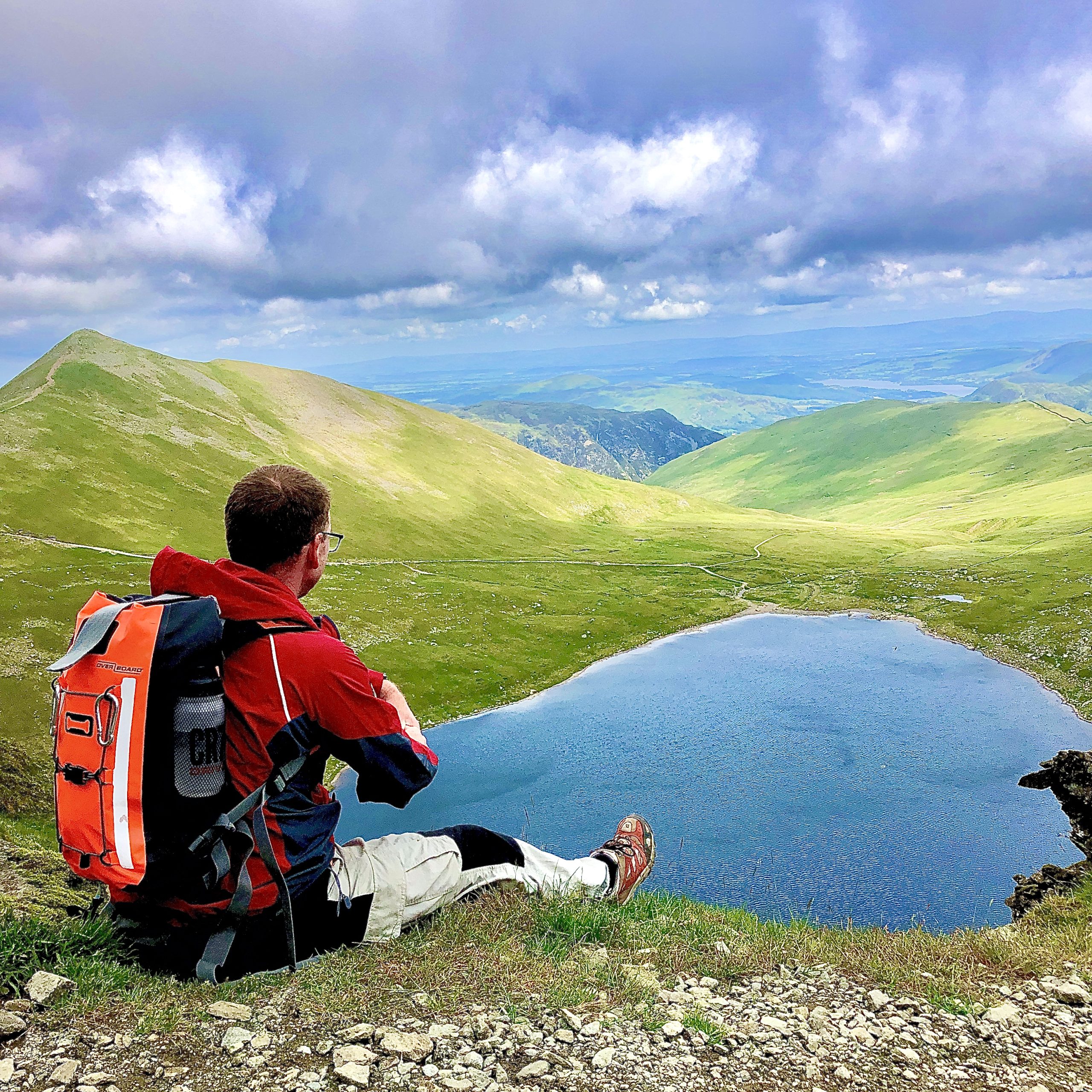
Walking the Wainwrights
There is something special about walking in the Lake District. From rugged mountain summits and dramatic ridgelines to peaceful valleys, sparkling lakes and spectacular views, it is one of the best places in the UK to escape everyday life and reconnect with nature. For many walkers, the ultimate Lake District adventure is walking the Wainwrights — a challenge inspired by the legendary fellwalker and author Alfred Wainwright.
Whether you are an experienced hillwalker looking to complete all the summits or a beginner hoping to climb your first fell, walking the Wainwrights offers an incredible opportunity to explore some of England’s most beautiful landscapes. But where should you start? What equipment do you need? And when is the best time to go?
In this guide, we explore everything you need to know to plan your adventure, enjoy the journey and stay safe on the fells.
What are the Wainwrights?
The Wainwrights are a collection of 214 fells in the Lake District described in Alfred Wainwright’s famous seven-volume series of guidebooks, Pictorial Guides to the Lakeland Fells. Published between 1955 and 1966, these books helped generations of walkers discover the Lake District’s mountains and lesser-known hills.
Unlike challenges based purely on height, the Wainwrights reflect the fells Wainwright chose to include in his guides. Some are major mountains with challenging ascents, while others are smaller summits offering beautiful views without requiring a particularly demanding climb.
Completing all 214 Wainwrights has become a popular long-term goal for walkers, but you don’t have to attempt every summit to enjoy the experience. You can tackle one fell at a time, explore different areas over several weekends or gradually work towards completing the entire collection.
The beauty of the challenge is that you can make it your own.
Why walk the Wainwrights?
Walking the Wainwrights is about much more than reaching a summit and ticking a name off a list.
1. Experience some of England’s best scenery
The Lake District is famous for its dramatic landscapes, and the views from its fells can be extraordinary.
Depending on the weather and your chosen route, you might see Ullswater stretching between the mountains, the rugged Langdale Pikes, the vast landscapes surrounding Keswick or the higher peaks of the central fells. Every summit has its own character, and even familiar landscapes can look completely different depending on the season and weather.
2. Improve your physical fitness
Hillwalking is an excellent way to build stamina, strengthen your legs and improve cardiovascular fitness. Climbing uphill challenges your body, while descending requires balance, coordination and control. Regular walking can also help you develop confidence and prepare for longer adventures.
Start with manageable routes and gradually increase the distance and elevation as your fitness improves.
3. Support your mental wellbeing
Getting outdoors can provide a welcome break from busy schedules, work pressures and everyday worries. Walking gives you time to think, enjoy your surroundings and focus on the present moment. You don’t need to reach the highest summit or complete a difficult route to benefit from spending time outside.
Sometimes, the best part of a walk is simply standing still, taking a deep breath and appreciating the landscape around you.
4. Set yourself a personal challenge
The Wainwrights provide a goal that can last for months or even years You might aim to complete your first five summits, climb one new fell every month or eventually tick off all 214. There is no need to rush. The challenge is just as much about the experiences along the way as it is about the final achievement.
Before heading out, consider packing:
● Walking boots or suitable hiking footwear: Choose footwear with good grip and support for the terrain.
● Waterproof jacket and trousers: Rain and wind can make a walk uncomfortable and potentially hazardous.
● Warm layers: Temperatures can drop significantly as you gain height.
● Map and compass: Carry a suitable map and learn how to navigate with it. A phone or GPS is useful, but should not be your only navigation method.
● Fully charged mobile phone: Keep it protected from the weather and take a power bank if appropriate.
● Food and water: Carry enough for the planned walk, with extra supplies in case you are delayed.
● Head torch: Useful if your walk takes longer than expected.
● First-aid kit and emergency supplies: Include items appropriate to your route and the conditions.
● Sun protection: Sunglasses, sunscreen and a hat can be useful even when the weather is cool
Every season offers something different in the Lake District.
Spring: Enjoy fresh greenery, waterfalls and longer days, but be prepared for cold winds and lingering snow or ice on higher fells.
Summer: Longer daylight hours can make planning easier, and the landscape is often at its greenest. Popular routes can be busy, and warm weather still brings the risk of sudden storms.
Autumn: Beautiful colours, quieter paths in some areas and atmospheric views make autumn a wonderful time for walking. Shorter days and changeable weather require careful planning.
Winter: Snow-covered summits can be spectacular, but winter conditions demand additional knowledge, equipment and experience. Ice, strong winds and limited daylight can make even familiar routes dangerous.
JOIN US walking the wainwrights
So why not join us to complete the wainwrights n 36 walks. Keep an eye on our events page for dates and times as well as potential routes and meeting points Click here for ore information