
Overcoming anxiety
You feel it. That familiar tightening in your chest. The racing thoughts, the knot in your stomach. Anxiety, a unwelcome guest, has arrived again. It whispers doubts, conjures worst-case scenarios, and often leaves you feeling overwhelmed and out of control. You’re not alone. Many people navigate the choppy waters of anxiety, and the good news is, you possess the inner resources to steer through them. This isn’t about eliminating anxiety entirely, an unrealistic goal, but about learning to manage its impact, to reclaim your power, and to live a life less dictated by its grip.
Before you can effectively navigate anxiety, it’s crucial to understand what’s fueling it. Anxiety is rarely a random phenomenon; it often stems from a combination of factors, a complex interplay of your biology, your experiences, and your learned thought patterns. Delving into these roots can provide clarity and empower you to address the core issues.
Genetic Predisposition and Brain Chemistry
You might have noticed that anxiety seems to run in your family. This isn’t a coincidence. Genetics play a significant role in your susceptibility to anxiety disorders. Certain genes influence the way your brain processes stress and regulates emotions. Your brain’s intricate chemistry, particularly the balance of neurotransmitters like serotonin and norepinephrine, can also contribute. When these systems are dysregulated, you may find yourself more prone to feeling anxious, even in situations that others might find manageable. This isn’t a flaw; it’s a biological reality that you can learn to work with.
Past Experiences and Learned Responses
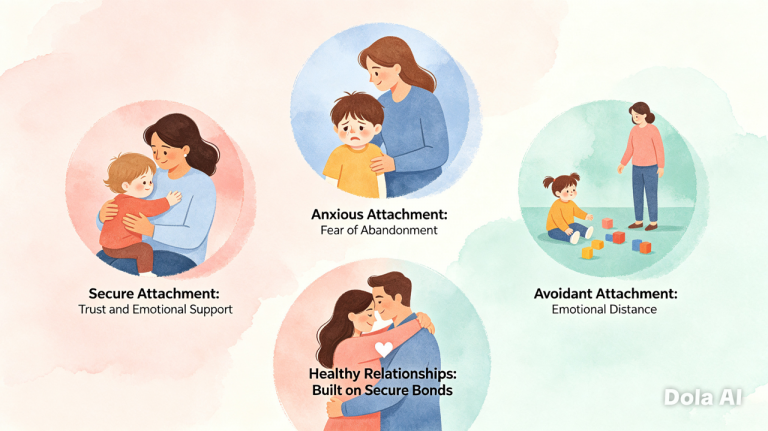
Your history shapes your present. Traumatic events, difficult childhood experiences, or even prolonged periods of stress can imprint on your nervous system, making you more sensitive to perceived threats. You might have learned to associate certain situations, places, or even internal states with danger. This learned response, often unconscious, can trigger anxiety as a protective mechanism, even when the actual threat is non-existent or minimal. Recognizing these learned patterns is the first step toward rewiring them.
Core Beliefs and Negative Thought Patterns
The stories you tell yourself about yourself and the world are powerful. Often, anxiety is fueled by deeply ingrained negative core beliefs. You might believe you are inadequate, unlovable, or destined to fail. These beliefs then manifest as automatic negative thoughts, a constant stream of self-criticism and worst-case predictions. These thoughts create a feedback loop, intensifying your anxiety and making it difficult to see situations objectively. Identifying and challenging these distorted thinking patterns is a cornerstone of overcoming anxiety.
Practical Strategies for Immediate Relief
When anxiety hits, the desire for quick relief is palpable. While long-term solutions are essential, having immediate coping mechanisms at your disposal can make a significant difference in the moment. These strategies are designed to help you de-escalate intense feelings and regain a sense of calm when you need it most.
Deep Breathing and Mindfulness Exercises
Your breath is a readily available anchor. When you’re anxious, your breathing often becomes shallow and rapid, signaling to your brain that you’re in danger. Consciously slowing and deepening your breath can send a counter-signal, promoting relaxation. Try the 4-7-8 technique: inhale deeply through your nose for a count of four, hold your breath for a count of seven, and exhale slowly through your mouth for a count of eight. Repeat this several times. Mindfulness, in its essence, is about paying attention to the present moment without judgment. This can involve focusing on your breath, your bodily sensations, or sounds around you. By gently bringing your attention back to the present, you interrupt the cycle of anxious rumination.
Grounding Techniques
When your mind feels like it’s racing, grounding techniques help you reconnect with the physical world and the present moment. These techniques engage your senses to pull you out of your head and into your body. The “5-4-3-2-1” method is a popular choice: identify five things you can see, four things you can touch, three things you can hear, two things you can smell, and one thing you can taste. You can also focus on the physical sensation of your feet on the ground, the texture of your clothing, or the warmth of a cup in your hands.
Physical Activity and Movement
Your body and mind are intimately connected. When you’re anxious, your body often holds tension. Physical activity, even a short walk, can help release this pent-up energy and endorphins, your body’s natural mood boosters. You don’t need to run a marathon; gentle stretching, yoga, or simply dancing to your favorite music can be incredibly effective in shifting your emotional state. Motion can indeed be lotion for your mind.
Building Resilience Through Lifestyle Changes

Overcoming anxiety is not a sprint; it’s a marathon that requires consistent effort and strategic lifestyle adjustments. These changes create a foundation of well-being that makes you less susceptible to the overwhelming grip of anxiety. They are about nurturing your physical and mental health proactively.
Nutrition and Hydration’s Role
What you put into your body directly impacts your brain function and emotional state. A diet rich in whole, unprocessed foods, fruits, vegetables, and lean proteins can help stabilize your mood and energy levels. Conversely, excessive sugar, processed foods, and caffeine can exacerbate anxiety symptoms. Ensure you’re adequately hydrated; dehydration can mimic or worsen feelings of anxiety and fatigue. Making conscious choices about your diet isn’t about deprivation; it’s about fueling your body and mind for optimal well-being.
The Importance of Sleep Hygiene
Sleep is not a luxury; it’s a necessity for emotional regulation. When you’re sleep-deprived, your ability to manage stress and emotions is significantly compromised, making you more vulnerable to anxiety. Prioritize consistent sleep, aiming for seven to nine hours per night. Establish a relaxing bedtime routine, ensure your bedroom is dark and cool, and avoid screens before bed. Improving your sleep hygiene is a powerful investment in your mental resilience.
Regular Exercise for Mental Fortitude
As mentioned earlier, physical activity offers immediate relief, but its long-term benefits for anxiety are profound. Regular exercise helps regulate your stress hormones, improves your sleep quality, and boosts your mood. Find a form of physical activity you genuinely enjoy, whether it’s hiking, swimming, dancing, or team sports. Consistency is key. Aim for at least 150 minutes of moderate-intensity aerobic activity or 75 minutes of vigorous-intensity activity per week.
Cultivating a Balanced Mindset
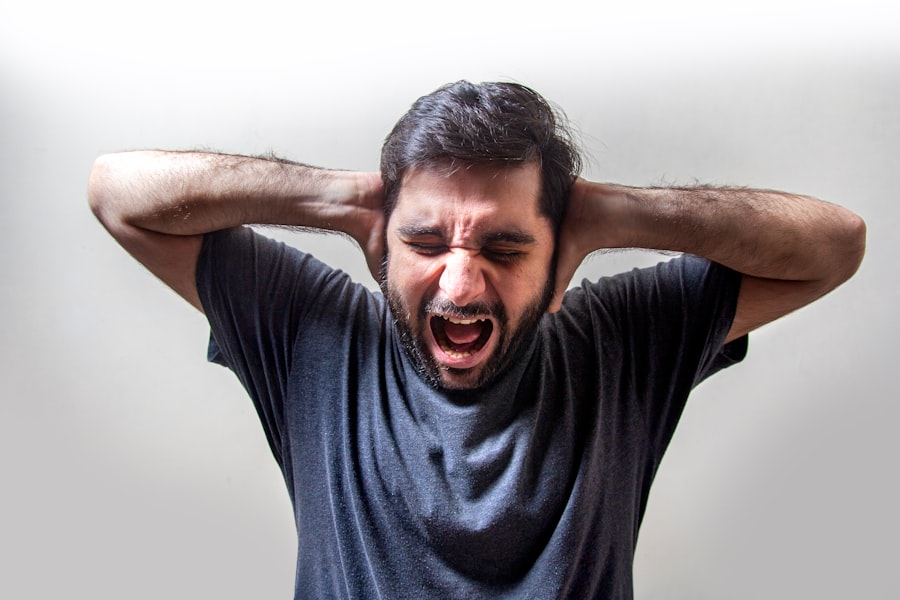
Anxiety often thrives on a skewed perspective. Learning to challenge negative thinking and cultivate a more balanced, realistic mindset is fundamental to long-term anxiety management. This involves actively working on your internal dialogue and self-perception.
Challenging Negative Thought Patterns
You are not your thoughts. Though they may feel intensely real, anxious thoughts are often distorted and unhelpful. Cognitive Behavioral Therapy (CBT) techniques are highly effective in this area. When you catch yourself thinking an anxious thought, question its validity. Ask yourself: Is this thought based on fact or feeling? What is the evidence for and against this thought? What is a more balanced or realistic way of looking at this situation? This practice of cognitive restructuring takes time and repetition, but it can significantly reduce the power of negative thought spirals.
Practicing Self-Compassion
You are your own harshest critic. When you experience anxiety, you might berate yourself for feeling that way. Self-compassion involves treating yourself with the same kindness, understanding, and acceptance you would offer to a dear friend. Acknowledge that anxiety is a difficult experience and that you are doing your best. Recognize that imperfection is part of the human experience. Instead of criticism, offer yourself comfort and encouragement.
Developing a Sense of Purpose and Meaning
Anxiety can leave you feeling adrift. Cultivating a sense of purpose and meaning in your life can provide a powerful anchor and a buffer against feelings of overwhelm. This doesn’t require a grand, life-altering mission. It can be found in your relationships, your hobbies, your work, or your contributions to your community. Engaging in activities that align with your values and bring you a sense of fulfillment can shift your focus away from anxieties and towards what truly matters.
Seeking Professional Support and Building a Support System
You don’t have to navigate this journey alone. While self-help strategies are valuable, seeking professional support and building a strong support system can provide invaluable guidance, validation, and practical tools.
The Benefits of Therapy
Therapy, particularly forms like CBT, Dialectical Behavior Therapy (DBT), and Exposure Therapy, offers structured approaches to understanding and managing anxiety. A therapist can help you identify the root causes of your anxiety, develop personalized coping strategies, and challenge unhelpful thought patterns. They provide a safe and non-judgmental space for you to explore your experiences and learn new ways of responding to distress.
The Power of a Strong Support Network
Connecting with others who understand and support you is crucial. This could be trusted friends, family members, or support groups. Sharing your experiences and feelings with people who care can reduce feelings of isolation and provide encouragement. Knowing you have a network to lean on can empower you to face your anxieties with greater confidence. Don’t underestimate the strength found in shared vulnerability and mutual support.
Overcoming anxiety is a continuous process of learning, adapting, and growing. It requires patience, persistence, and a commitment to your own well-being. By understanding its roots, implementing practical relief strategies, making sustainable lifestyle changes, cultivating a balanced mindset, and seeking appropriate support, you can gradually lessen anxiety’s grip and begin to live a more fulfilling and less burdened life. The journey may have its challenges, but your capacity for resilience is greater than you might believe.