The Healing Power of Nature: How the Outdoors Can Improve Your Wellbeing
Reconnecting with Your Innate Biophilia
You’ve felt it, haven’t you? That subtle shift in your shoulders as you step out of a bustling city center and into a quiet park, the involuntary deep breath you take when you catch a whiff of pine needles after a rain shower, the almost imperceptible calming of your thoughts when your gaze sweeps across a distant horizon. These aren’t mere coincidences; they are echoes of your innate connection to the natural world, a phenomenon scientists call biophilia. It’s an evolutionary imperative, a deep-seated need to connect with other forms of life and with nature itself. For millennia, humans lived in intimate communion with their environment, their survival inextricably linked to the rhythms of the earth. Today, many of us spend the majority of our lives indoors, bathed in artificial light, surrounded by technology, and disconnected from the very source of our being. This disconnect, however subtle, carries a profound cost for your mental, physical, and emotional well-being. This article will explore the myriad ways in which embracing the outdoors can profoundly improve your life, offering you a powerful antidote to the stresses of modern existence. You’ll discover not just a theoretical understanding, but practical insights into how you can reintegrate nature into your daily routine and reclaim the inherent healing power that awaits you beyond four walls.
The Evolutionary Roots of Your Nature Connection
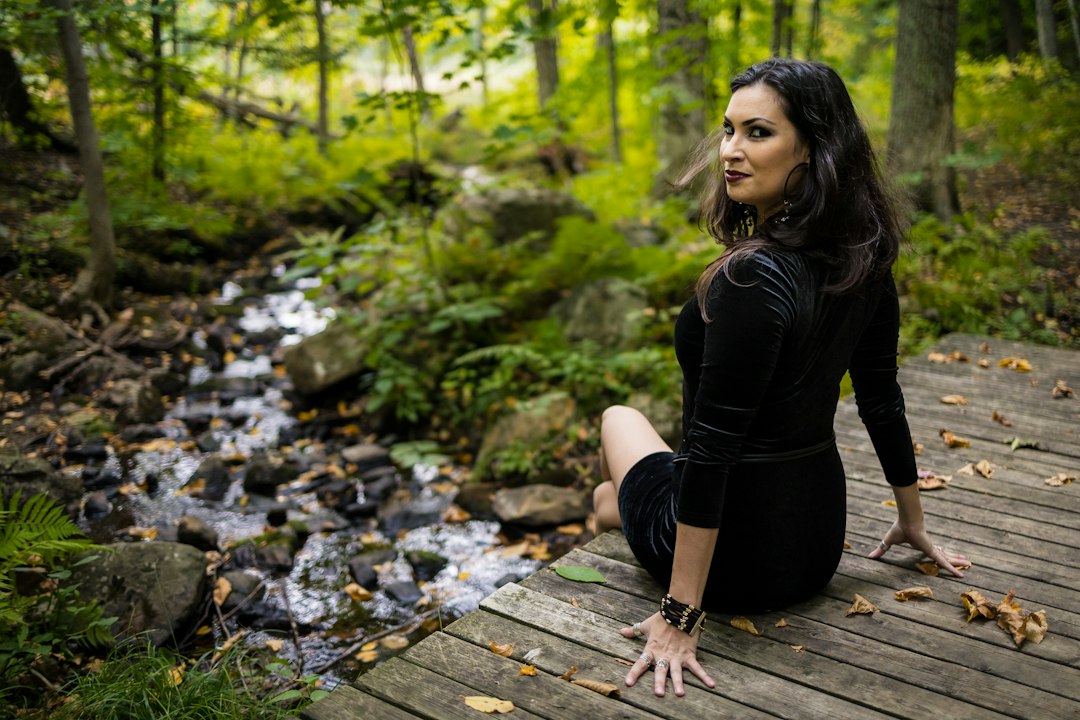
Consider your ancestors. Their lives were dictated by the sun’s rise and fall, the changing seasons, the availability of food and water in their immediate surroundings. Their senses were finely tuned to the rustle of leaves, the calls of birds, the scent of damp earth. Their brains evolved to process complex natural patterns, to navigate diverse landscapes, and to find comfort and sustenance within the wild. This deep history has imprinted upon your very DNA. When you encounter a verdant forest, a flowing river, or a majestic mountain, you are tapping into a primal resonance, a sense of belonging that is as old as humanity itself. This isn’t just about pretty scenery; it’s about a fundamental neurological and psychological response. Studies have shown that even viewing images of nature can reduce stress, lower blood pressure, and improve mood. Imagine, then, the profound impact of full immersion. Your brain, accustomed to the constant demands and often sterile environments of urban living, finds a sense of peace and order in the organic complexity of the natural world. This innate yearning for connection is not a weakness; it is a strength, a powerful tool for self-care that is readily available to you, often just a short walk away. Embracing this evolutionary heritage is a crucial first step in understanding and leveraging the profound benefits that nature offers.
In exploring the benefits of nature on mental health, a related article titled “Nature’s Role in Managing ADHD Symptoms” delves into how outdoor activities can significantly enhance focus and reduce hyperactivity in individuals with ADHD. This piece complements the themes discussed in “The Healing Power of Nature: How the Outdoors Can Improve Your Wellbeing” by highlighting the specific advantages that natural environments offer to those struggling with attention-related challenges. For more insights, you can read the article here: Nature’s Role in Managing ADHD Symptoms.
Bolstering Your Mental Acuity and Emotional Resilience
The modern world can be a relentless assault on your mental and emotional well-being. Constant stimulation, deadlines, social pressures, and the ever-present hum of digital devices can leave you feeling drained, anxious, and overwhelmed. Fortunately, the natural world offers a powerful sanctuary, a restorative balm for your mind and spirit. When you step into nature, you are not just escaping; you are actively engaging in a process of psychological repair and enhancement. The evidence for nature’s positive impact on mental health is overwhelming and continues to grow. From reducing symptoms of depression and anxiety to improving cognitive function and fostering creativity, the outdoors provides a holistic approach to nurturing your inner landscape.
Reducing Stress and Anxiety Levels
One of the most immediate and profound benefits you’ll experience when spending time in nature is a significant reduction in stress and anxiety. Think about it: the rhythmic sound of waves crashing, the gentle rustle of leaves in the breeze, the soft chirping of birds – these are natural sounds that are inherently calming. Unlike the jarring, unpredictable noises of urban environments, natural soundscapes have a restorative effect on your nervous system. Research consistently demonstrates that spending time in green spaces lowers levels of cortisol, the primary stress hormone, and decreases sympathetic nervous system activity, which is responsible for your “fight or flight” response. Instead, your parasympathetic nervous system, responsible for “rest and digest,” becomes more active, leading to a state of profound relaxation. Simply taking a walk in a park can have a measurable impact on your physiological stress markers. Moreover, the diffuse attention required by natural environments, where your gaze can wander freely across diverse textures and forms, allows your directed attention, which is heavily taxed by focused tasks, to rest and recover. This “soft fascination” of nature helps to alleviate mental fatigue and rumination, freeing your mind from the relentless cycle of worry. You’ll find your thoughts becoming clearer, less cluttered, and your overall sense of calm significantly enhanced.
Enhancing Mood and Combating Depression
If you’ve ever felt the oppressive weight of low mood or the heavy fog of depression, you know how debilitating it can be. While nature is not a substitute for professional mental health care, it can be a powerful complementary therapy and a vital tool in maintaining emotional balance. Exposure to natural light, particularly sunlight, plays a crucial role in regulating your circadian rhythm and boosting serotonin levels, a neurotransmitter associated with feelings of well-being and happiness. Even on cloudy days, the ambient light outdoors is significantly brighter than typical indoor lighting, offering a vital dose of mood-boosting illumination. Furthermore, engaging with nature often involves physical activity, however gentle, which itself is a potent antidepressant. The sense of awe and wonder that nature can evoke – whether it’s gazing at a majestic mountain range, observing a vibrant sunset, or simply appreciating the intricate beauty of a wildflower – can lift your spirits and provide a much-needed shift in perspective. These experiences of awe have been linked to feelings of humility, interconnectedness, and a reduction in self-focused rumination, all of which contribute to improved mood and a greater sense of life satisfaction. You’ll find yourself feeling more optimistic, more energized, and more connected to the larger world around you.
Improving Cognitive Function and Creativity
Beyond emotional regulation, nature also offers profound benefits for your cognitive abilities. In an age of information overload and constant distractions, maintaining focus and fostering creativity can be a challenge. Time spent in natural environments can act as a mental detox, allowing your brain to reset and re-energize. The “Attention Restoration Theory” posits that natural environments are uniquely suited to restoring your directed attention, which is the mental faculty you use for tasks requiring sustained focus. Unlike urban settings, which are filled with “hard fascinations” that demand your immediate attention (e.g., traffic, advertising, constant notifications), natural environments offer “soft fascinations” that gently engage your senses without taxing your cognitive resources. This allows your brain to recover from mental fatigue, leading to improved concentration, problem-solving skills, and overall cognitive performance. Moreover, the diverse stimuli and non-linear patterns found in nature can spark creativity. When your mind is less stressed and more open, it’s better able to make novel connections and generate innovative ideas. Many writers, artists, and thinkers have long recognized the power of nature to inspire their work. Taking a walk in the woods or sitting by a river can be an excellent way to break through creative blocks and gain fresh perspectives on challenges you face. You’ll notice an enhanced ability to focus, a sharper mind, and a greater capacity for imaginative thought.
Physical Health Benefits Beyond the Gym
While you might associate physical health with structured workouts and gym memberships, the outdoors offers a vast and often overlooked arena for improving your physical well-being. From bolstering your immune system to reducing chronic pain, engaging with nature provides a holistic approach to maintaining a healthy body. These benefits often come hand-in-hand with the mental and emotional improvements, demonstrating the interconnectedness of your overall health. You don’t need to become an extreme athlete to reap these rewards; even gentle interactions with the natural world can make a significant difference in your physical vitality.
Boosting Your Immune System
One of the most remarkable physical benefits of spending time in nature, particularly in forests, is its positive impact on your immune system. This phenomenon is often referred to as “forest bathing” or shinrin-yoku. When you breathe in the air of a forest, you are inhaling phytoncides, airborne chemicals emitted by trees and plants. These organic compounds have been shown to increase the number and activity of natural killer (NK) cells in your body. NK cells are a type of white blood cell that plays a crucial role in fighting off infections and even inhibiting tumor growth. Studies have demonstrated that even a short trip to a forest can lead to elevated NK cell activity that lasts for several days or even weeks. Beyond phytoncides, exposure to a diverse range of microorganisms in soil and air, often referred to as the “biodiversity hypothesis,” can help to train and strengthen your immune system, making it more resilient against allergens and pathogens. By simply being present in a natural environment, you are actively enhancing your body’s natural defense mechanisms, providing an invisible shield against illness. You’ll find yourself less susceptible to common colds and other ailments, experiencing a newfound resilience in your physical health.
Encouraging Physical Activity and Better Sleep
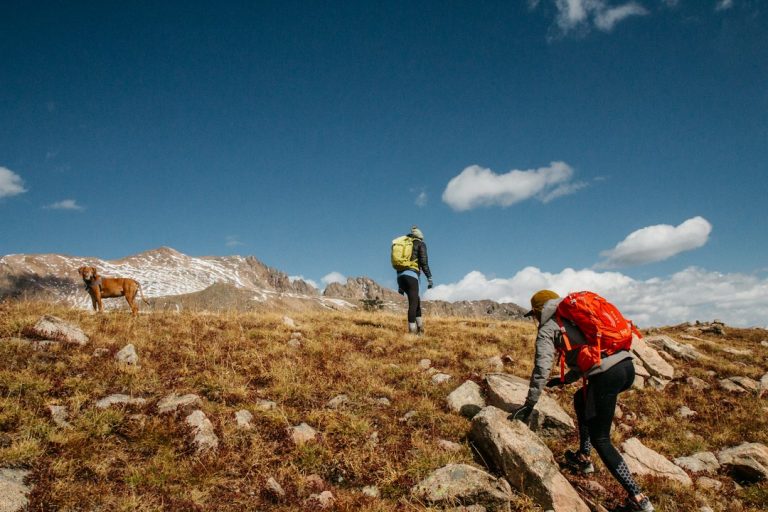
Nature acts as a powerful motivator for physical activity. Whether it’s a brisk walk through a park, a challenging hike up a mountain trail, gardening in your backyard, or simply playing with children outdoors, the natural environment encourages movement. Unlike the often monotonous routine of indoor exercise, outdoor activities offer varied terrain, ever-changing scenery, and the opportunity for spontaneous exploration, making physical exertion feel less like a chore and more like an adventure. Regular physical activity, as you know, is fundamental for cardiovascular health, weight management, muscle strength, and overall vitality. Furthermore, the combination of physical activity and exposure to natural light has a profound impact on your sleep quality. Spending time outdoors, especially in the morning, helps to regulate your circadian rhythm, signaling to your body when it’s time to be awake and when it’s time to wind down. This natural regulation leads to more consistent sleep patterns, deeper sleep cycles, and a feeling of being more rested and refreshed upon waking. The fresh air and natural sounds also contribute to a more conducive environment for restful sleep. You’ll experience more restorative nights, waking up feeling more energized and ready to face the day.
Reducing Pain and Inflammation
Chronic pain and inflammation are pervasive issues in modern society, often leading to reduced quality of life. Emerging research suggests that spending time in nature can play a role in mitigating these conditions. The stress reduction benefits alone contribute significantly, as stress is known to exacerbate pain and inflammatory responses in the body. When your stress levels decrease, your body’s inflammatory markers tend to follow suit. Moreover, the gentle, varied movements encouraged by outdoor activities can help to improve joint mobility and reduce stiffness, offering a natural form of physical therapy. The exposure to sunlight, leading to vitamin D production, is also linked to reduced inflammation and improved bone health. While nature is not a panacea for severe pain conditions, incorporating regular outdoor time can be a valuable component of a holistic pain management strategy. The calming effect on your nervous system, the reduction in stress hormones, and the encouragement of gentle movement all contribute to a feeling of greater physical comfort and reduced systemic inflammation. You’ll likely notice a decrease in nagging aches and pains, and an overall sense of greater physical ease.
Fostering Deeper Connections and a Sense of Purpose
Beyond the individual benefits to your mental and physical health, engaging with nature also has a remarkable capacity to foster deeper connections – not just with the environment itself, but with others and with a profound sense of purpose. In an increasingly isolated and transactional world, these opportunities for connection are more vital than ever. You’ll find that stepping outside can open doors to richer relationships, a greater appreciation for life, and a renewed understanding of your place within the larger tapestry of existence.
Strengthening Social Bonds
Nature provides a wonderful backdrop for social interaction and strengthens communal ties. Whether it’s a family picnic in the park, a walk with a friend on a scenic trail, or participating in a community garden project, shared experiences in nature can deepen relationships and create lasting memories. The relaxed and often awe-inspiring atmosphere of natural settings tends to encourage open communication and a sense of camaraderie. When you’re not distracted by screens or the pressures of indoor environments, you’re more present and engaged with the people around you. Group outdoor activities, such as hiking clubs, birdwatching groups, or conservation volunteering, offer opportunities to meet like-minded individuals and build new friendships based on shared passions. These shared experiences foster a sense of belonging and community, combating feelings of loneliness and isolation that can be prevalent in modern life. You’ll discover that shared moments in nature forge stronger, more meaningful bonds with the people you care about.
Cultivating Mindfulness and Presence
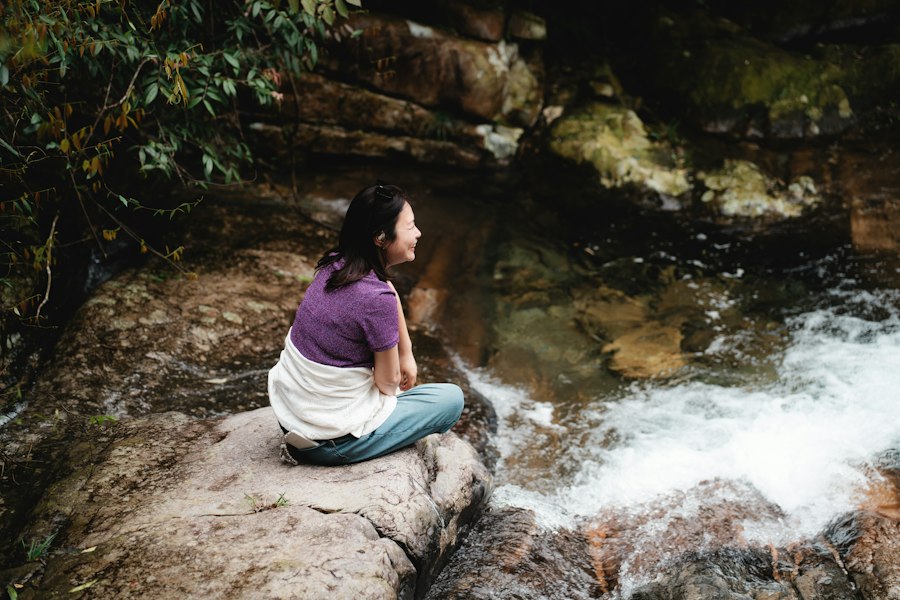
Nature is an unparalleled teacher of mindfulness and presence. The intricate details of a leaf, the persistent flow of a stream, the silent majesty of a towering tree – these elements invite you to slow down, observe, and engage your senses fully. When you practice mindfulness in nature, you’re not just passively observing; you’re actively immersing yourself in the present moment. You notice the textures, the smells, the sounds, the subtle shifts in light and shadow. This sensory engagement pulls you away from ruminating about the past or worrying about the future, grounding you firmly in the here and now. The absence of digital distractions and the gentle, non-demanding stimuli of nature make it an ideal environment for cultivating a meditative state. Whether you’re sitting quietly by a lake, walking barefoot on grass, or simply observing a bird, nature encourages a state of quiet awareness that is incredibly beneficial for your mental clarity and emotional regulation. You’ll find yourself more attuned to your inner state, more appreciative of the small wonders around you, and more centered in your daily life.
Finding Perspective and a Sense of Awe
Perhaps one of the most profound gifts nature offers is the opportunity to find perspective and experience a sense of awe. When you stand before a vast ocean, gaze up at a star-studded sky, or witness the raw power of a thunderstorm, you are reminded of something much larger than yourself. These experiences can humble you, shift your priorities, and dissolve the trivial worries that often consume your attention. The feeling of awe, characterized by wonder and a sense of being small in the face of something immense, has been linked to increased feelings of altruism, humility, and a greater sense of life satisfaction. It allows you to step outside of your immediate concerns and connect with a grander narrative, fostering a deeper appreciation for the interconnectedness of all life. This shift in perspective can be incredibly liberating, providing a renewed sense of purpose and meaning in your life. You’ll feel a profound connection to something greater than yourself, inspiring a deeper appreciation for life and its intricate beauty.
Exploring the connection between nature and mental health can lead to profound insights, as highlighted in the article on the benefits of outdoor activities. Engaging with the environment not only enhances physical wellbeing but also fosters emotional resilience. For a deeper understanding of how outdoor experiences can positively influence your life, you might find this related article on outdoor activities particularly enlightening.
Practical Steps for Integrating Nature into Your Life
Now that you understand the profound benefits of connecting with nature, the next step is to translate that knowledge into actionable practices. You don’t need to quit your job and move to a remote cabin to reap these rewards. Even small, consistent changes can make a significant difference in your well-being. The key is intentionality and creativity in finding ways to weave nature into the fabric of your daily life, no matter where you live.
Start Small: Daily Doses of Green
Don’t feel pressured to embark on epic wilderness expeditions right away. The most effective way to start is with small, manageable steps that you can easily integrate into your routine. This could be as simple as taking your morning coffee out onto a balcony or porch, even if it overlooks a busy street. Notice the sky, the air temperature, the sound of birds. If you have a park nearby, commit to a 10-15 minute walk during your lunch break or after work. Even a brief stroll through a tree-lined street can offer a mental reset. Bring a plant into your home or office; simply having greenery in your immediate environment has been shown to reduce stress and improve focus. Open your windows regularly to let in fresh air and natural sounds. These “micro-doses” of nature might seem insignificant, but their cumulative effect can be remarkably powerful, gradually recalibrating your system to be more receptive to the natural world. Consistency, even in small doses, is far more impactful than infrequent grand gestures.
Embrace “Green Exercise”
Combine your need for physical activity with your desire for nature by engaging in “green exercise.” This simply means exercising outdoors. Instead of hitting the treadmill, go for a run in a local park or on a nature trail. Swap indoor cycling for a bike ride through scenic routes. Practice yoga or tai chi in your backyard or a quiet spot in the park. If you have a garden, consider gardening itself a form of green exercise – it involves physical exertion, fresh air, and direct contact with soil and plants. Even walking your dog becomes a powerful opportunity for green exercise, especially if you choose routes that incorporate more natural elements. The benefits of green exercise are often magnified compared to indoor workouts, as you receive the combined advantages of physical activity, fresh air, and natural light, all contributing to improved mood and reduced stress. You’ll find your workouts more enjoyable, more invigorating, and more beneficial for your overall health.
Cultivate a Deeper Sensory Experience
Moving beyond just “seeing” nature, intentionally engage all your senses when you are outdoors. This is where the practice of mindfulness truly shines. When you’re in a park or forest, consciously listen to the sounds: the rustle of leaves, the chirping of birds, the distant hum of insects. Take deep breaths and notice the smells of damp earth, blooming flowers, or fresh pine. Touch the bark of a tree, the texture of a leaf, or the coolness of a stone. Pay attention to the subtle shifts in light and shadow, the way the breeze feels on your skin. Allow your gaze to soften and take in the entire panorama, rather than focusing on a single point. This sensory immersion deepens your connection to the environment, heightens your awareness, and amplifies the restorative effects of nature. The more you engage your senses, the more fully present you become, and the more profound the healing experience will be.
Plan Regular Nature Outings
While daily micro-doses are important, also make an effort to plan more substantial nature outings regularly. This could be a weekend hike in a nearby national park, a day trip to the beach, camping, fishing, or simply spending a prolonged period in a botanical garden. These longer exposures allow for deeper immersion and a more significant reset for your mind and body. Consider dedicating one weekend day a month, or even a few hours every week, to exploring new natural areas or revisiting beloved ones. Involve friends or family to combine the benefits of nature with social connection. Even during adverse weather, you can still find ways to connect – a walk in the rain with appropriate gear can be incredibly refreshing, or visiting an indoor conservatory filled with plants can offer a dose of green even on a cold day. By intentionally scheduling these longer engagements, you ensure that nature remains a consistent and valued part of your life, offering sustained benefits to your well-being.
Exploring the great outdoors can significantly enhance our mental and physical health, as highlighted in the article “The Healing Power of Nature: How the Outdoors Can Improve Your Wellbeing.” For those interested in how nature can play a role in urban settings, you might find it insightful to read about the various parks and green spaces in Bucharest in this related piece. Discover more about these urban retreats by visiting this link.
Sustaining Your Connection for Lifelong Well-being
Your journey to harness the healing power of nature is not a one-time event, but an ongoing practice. The natural world offers a wellspring of health and happiness that is perpetually available to you. Sustaining your connection means cultivating a mindset of appreciation and making intentional choices to integrate nature into your routine, even when life gets busy. This commitment will pay dividends throughout your life, offering you a reliable source of solace, energy, and inspiration.
Make Nature a Habit, Not a Chore
The key to long-term success is to transform your interactions with nature from occasional activities into deeply ingrained habits. Just as you brush your teeth or eat meals, aim to incorporate nature time as a non-negotiable part of your self-care routine. Schedule it in your calendar, treat it with the same importance as other commitments. This might mean dedicating a specific time each day for a walk in a green space, or reserving a portion of your weekend for outdoor adventures. The more consistently you engage, the more your body and mind will come to anticipate and crave these restorative moments. Over time, you’ll find that stepping into nature becomes an effortless and joyful part of your life, rather than something you feel you “should” do. This habitual engagement ensures a continuous flow of the benefits discussed, making nature your constant ally in maintaining well-being.
Practice Environmental Stewardship
An even deeper connection to nature can be fostered through active environmental stewardship. When you contribute to protecting and preserving natural spaces, you not only benefit the environment but also deepen your own sense of connection and purpose. This could involve volunteering for local park clean-ups, participating in tree-planting initiatives, supporting conservation organizations, or making conscious choices in your daily life to reduce your environmental footprint. Engaging in stewardship cultivates a sense of responsibility and reciprocity with the natural world, transforming your relationship from mere consumer to active participant. You’ll gain a greater appreciation for the delicate balance of ecosystems and feel a profound satisfaction in knowing you’re contributing to something larger than yourself. This active engagement strengthens your bond with nature on an intellectual, emotional, and practical level, reinforcing its value in your life.
Share the Experience with Others
The healing power of nature is amplified when shared. Encourage your friends, family, and colleagues to join you in outdoor activities. Introduce children to the wonders of the natural world, fostering their innate curiosity and helping them build a lifelong appreciation for the environment. Organize group hikes, picnics, or simply suggest meeting in a park instead of an indoor cafe. Sharing these experiences not only strengthens your social bonds, as previously discussed, but also creates a positive feedback loop, inspiring others to seek their own connections with nature. When you share the joy and peace you find outdoors, you become an advocate for well-being, helping to create a more connected and healthier community. You’ll find that your shared experiences in nature become cherished memories, reinforcing the importance of the outdoors in your collective well-being.
Reflect and Document Your Journey
Finally, take time to reflect on your experiences in nature. Keep a nature journal where you jot down your observations, feelings, and the insights you gain during your outdoor excursions. What did you see, hear, smell, and feel? How did your mood shift? What thoughts came to mind? Documenting your journey allows you to consciously track the positive impacts of nature on your well-being, reinforcing the value of your efforts. Looking back at your entries can serve as a powerful reminder during times of stress or when you feel disconnected, motivating you to seek out nature once again. This process of reflection solidifies your understanding of nature’s healing power and empowers you to continue nurturing this vital connection for a lifetime of enhanced mental, physical, and emotional health. You are not just spending time outdoors; you are actively investing in your most precious asset: your well-being.