From Burnout to Adventure: How Travel and the Outdoors Can Help You Feel Alive Again
Recognizing the Signs and Seeking a New Path
You know the feeling, don’t you? That persistent hum of exhaustion, the leaden weight in your chest that no amount of sleep seems to alleviate. You’ve been running on empty for what feels like an eternity, caught in a relentless cycle of demands and obligations. Your once vibrant passions have dulled, replaced by a pervasive sense of apathy. This isn’t just a bad week; it’s burnout, a state of chronic stress that leaves you feeling drained, cynical, and ineffective. You might find yourself dreading the start of each day, losing your temper over minor inconveniences, or experiencing a creeping detachment from your work and even your loved ones. Your body might signal its distress through persistent headaches, digestive issues, or an inexplicable weakening of your immune system. You’re not alone in this; millions experience burnout, often dismissed as simply being “tired” or “stressed.” But it’s more profound than that. It’s a fundamental disconnect from your own well-being, a slow erosion of your spirit.
Perhaps you’ve tried the usual remedies: more sleep, less caffeine, a new hobby that quickly fizzled out. But the underlying malaise persists. You sense a deeper need, a yearning for something more profound than a temporary fix. You crave a reset, a fundamental shift in perspective that allows you to reclaim your energy and rediscover the joy that seems to have eluded you. This is where the profound power of travel and the outdoors enters the picture. It’s not just about a vacation; it’s about an intentional journey of self-discovery, a deliberate immersion in environments that are designed to heal, inspire, and awaken. You’re not just escaping; you’re actively seeking renewal. You’re giving yourself permission to step away from the relentless demands of your daily life and embrace a different rhythm, one dictated by the natural world. This isn’t a luxury; it’s a necessity for your long-term health and happiness. You’re recognizing that the path you’ve been on is no longer serving you, and you’re bravely choosing to forge a new one, one that leads to adventure, introspection, and ultimately, a more vibrant you.
The Subtle Erosion of Everyday Life
Consider the insidious ways burnout creeps into your life. You might initially shrug off a missed lunch or an extra hour at the office. But these small sacrifices accumulate, eroding your boundaries and blurring the lines between work and personal life. You might find yourself constantly checking emails, even during family dinners or late at night. The pressure to always be “on” becomes overwhelming, leaving little room for genuine relaxation or reflection. Your creative spark dims as your energy is monopolized by tasks that feel increasingly meaningless. You might even start to question your own competence, despite a history of success, as the weight of persistent exhaustion clouds your judgment and dampens your motivation. This constant state of vigilance and self-sacrifice takes a heavy toll, not just on your mental and emotional well-being, but also on your physical health. Your sleep becomes fragmented and unrefreshing, your diet suffers, and your once-regular exercise routine falls by the wayside. You’re caught in a downward spiral, and the effort to simply maintain the status quo feels monumental.
The Call of the Wild: An Inner Urge for Change
Deep down, you feel it: an undeniable pull towards something different. It might manifest as a fleeting daydream of a secluded beach, a towering mountain, or a dense forest. This isn’t just escapism; it’s your innate wisdom nudging you towards environments that intrinsically support healing and rejuvenation. You instinctively understand that the concrete jungles and fluorescent lights of your daily life are stifling your spirit. You crave the vastness of an open sky, the grounding sensation of earth beneath your feet, the invigorating rush of fresh air. This inner urge is a powerful indicator that your soul is seeking solace and restoration in the embrace of nature. You’re not just looking for a change of scenery; you’re seeking a profound re-connection with yourself, a return to a more authentic and unburdened state of being. This call of the wild is a signal that you’re ready to break free from the shackles of burnout and embark on a transformative journey.
If you’re looking for more insights on how to rejuvenate your spirit through nature and travel, you might find the article on health and wellness at Footsteps and Food particularly enlightening. It explores various ways to enhance your mental well-being and offers practical tips for incorporating outdoor adventures into your life. Check it out here: Footsteps and Food – Health.
The Therapeutic Power of Immersive Travel
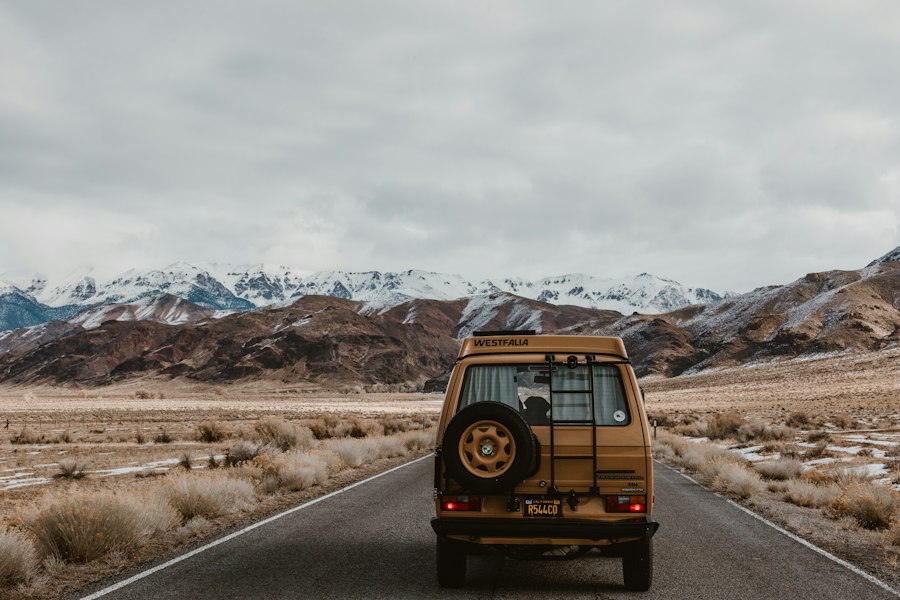
Once you’ve acknowledged the need for change, the next step is to embrace the concept of immersive travel as a therapeutic tool. This isn’t about ticking off tourist attractions or rushing from one city to another. It’s about deliberately choosing destinations and experiences that facilitate deep rest, introspection, and a re-engagement with your senses. Imagine waking up to the gentle sounds of a flowing river instead of a jarring alarm, the crisp scent of pine instead of stale office air. Picture yourself moving at a slower pace, unburdened by schedules and deadlines, allowing your mind to wander freely and your body to simply be. Immersive travel can take many forms: a long-distance hike, a silent retreat in a remote wilderness, a kayaking trip through a serene landscape, or even an extended stay in a quiet coastal village. The key is to choose an experience that resonates with your personal needs and allows you to disconnect from the digital world and reconnect with yourself.
You’ll find that stepping outside of your comfort zone, even in small ways, can be incredibly empowering. Navigating a new culture, learning a few phrases in a different language, or simply finding your way around an unfamiliar city can rebuild your confidence and remind you of your own resilience. The challenges you encounter, whether it’s a missed bus or a tricky trail, become opportunities for growth and problem-solving, rather than sources of stress. This shift in perspective is crucial for dismantling the negative thought patterns often associated with burnout. You start to see yourself as capable, adaptable, and resourceful again. Moreover, the novelty of new experiences stimulates your brain, fostering creativity and curiosity that may have been dormant for too long. You’re not just traveling; you’re actively engaging in a process of self-recalibration, allowing new sights, sounds, and sensations to wash away the accumulated fatigue and reawaken your sense of wonder.
Disconnecting to Reconnect: Digital Detox in Nature
One of the most powerful aspects of immersive travel, particularly in natural settings, is the inherent opportunity for a digital detox. You’ve likely experienced the constant tug of your phone, the endless notifications, and the pressure to always be connected. This incessant digital noise contributes significantly to mental fatigue and prevents genuine presence. When you commit to a digital detox, even for a few days, you create space for your mind to truly rest and recalibrate. Imagine leaving your phone in your bag, or better yet, at home, and instead focusing on the rustling leaves, the distant call of a bird, or the rhythmic sound of waves. This intentional disconnection allows your nervous system to unwind, reducing the constant “fight or flight” response that often accompanies burnout.
You’ll discover that without the constant distraction of screens, your ability to observe and appreciate your surroundings dramatically improves. The vibrant colors of a sunset become more vivid, the taste of a simple meal more profound, and the conversations with companions more meaningful. You might even experience a surge of creativity as your mind is freed from the endless consumption of digital content. This isn’t just about avoiding technology; it’s about actively choosing to engage with the real world, to be fully present in the moment, and to allow your natural curiosity to resurface. The absence of digital stimulation opens up pathways for introspection and self-reflection, allowing you to process thoughts and feelings that might have been suppressed by the constant hum of online activity.
Embracing the Unknown: Adventure as a Catalyst for Growth
True adventure, whether it’s a challenging hike, a kayaking expedition, or even exploring a new city without a rigid itinerary, pushes you beyond your perceived limitations. This isn’t about reckless behavior, but about calculated risks and intentional challenges that foster personal growth. When you face an unfamiliar situation or overcome a physical obstacle, you tap into a reservoir of strength and resilience you might have forgotten you possessed. The satisfaction of reaching a summit, navigating a winding trail, or successfully communicating in a foreign language is a powerful antidote to the feelings of inadequacy that often accompany burnout. You’re reminded of your own capabilities, your adaptability, and your inherent capacity to overcome challenges.
Moreover, adventure often forces you to relinquish control, a critical lesson for those grappling with burnout. You can’t control the weather on a mountain hike, the exact arrival time of a local bus, or every interaction with a new culture. This surrender to the unknown, this acceptance of unpredictability, can be incredibly liberating. It teaches you to be present, to adapt, and to find joy in the unexpected. The adrenaline rush of a new experience, the sense of accomplishment, and the sheer exhilaration of exploring uncharted territory all contribute to a powerful surge of vitality. You’re not just surviving; you’re thriving, embracing life with a renewed sense of courage and enthusiasm. Each step into the unknown is a step towards reclaiming your sense of self and igniting the adventurer within.
The Healing Power of the Outdoors
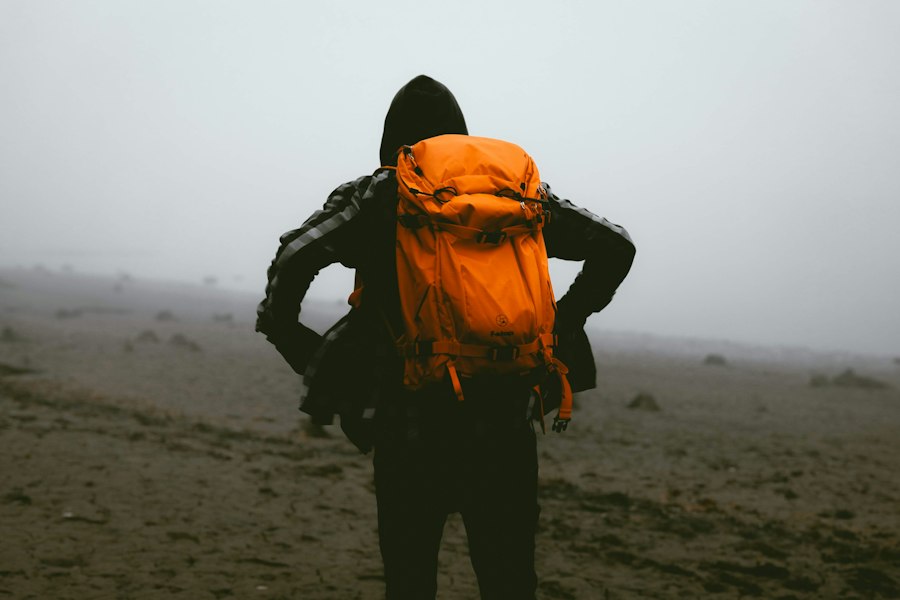
Beyond the general benefits of travel, the outdoor environment itself possesses a profound and scientifically supported ability to heal and rejuvenate. You’ve likely felt it instinctively: the calming effect of a forest, the expansive feeling of a mountaintop, the soothing rhythm of ocean waves. This isn’t just anecdotal; research increasingly demonstrates the therapeutic effects of nature exposure, often referred to as “forest bathing” or “ecotherapy.” When you immerse yourself in natural landscapes, a cascade of positive physiological and psychological changes occurs within you. Your stress hormone levels decrease, your blood pressure lowers, and your heart rate stabilizes. Your immune system even receives a boost from exposure to beneficial plant-derived compounds called phytoncides.
The sensory experience of the outdoors is a powerful antidote to the overstimulation of modern life. The gentle rustle of leaves, the chirping of birds, the earthy scent of soil, the warmth of the sun on your skin – these sensory inputs ground you in the present moment and pull you away from the relentless churn of anxious thoughts. You’re not just observing nature; you’re becoming a part of it, absorbing its restorative energy. The vastness of natural landscapes also offers a profound shift in perspective. Your personal problems, which may have felt overwhelming in the confined spaces of your daily life, suddenly seem smaller and more manageable when viewed against the backdrop of ancient mountains or an endless ocean. You gain a sense of proportion, a realization that you are part of something much larger and more enduring. This expanded perspective can be incredibly liberating, allowing you to release the grip of anxiety and embrace a more hopeful outlook.
Reconnecting with Nature’s Rhythms
In your daily life, you are often governed by artificial rhythms: alarm clocks, meeting schedules, deadlines, and the relentless glow of screens. These artificial rhythms can disconnect you from your own natural circadian clock, leading to sleep disturbances and a pervasive sense of fatigue. When you spend extended time in the outdoors, you naturally begin to synchronize with the rhythms of the natural world. Waking with the sunrise, falling asleep with the moon, and responding to the daily ebb and flow of light and temperature helps to reset your internal clock. This synchronization can dramatically improve your sleep quality, leading to deeper, more restorative rest. You’ll find yourself waking up feeling genuinely refreshed, a sensation that may have become a distant memory.
Furthermore, the physical activity often associated with outdoor experiences – hiking, swimming, cycling, or simply walking – provides a healthy outlet for pent-up energy and stress. This isn’t just about burning calories; it’s about moving your body in a way that feels natural and invigorating, reconnecting you with your physical self. The endorphins released during exercise also act as powerful mood boosters, helping to alleviate feelings of depression and anxiety. You’re not just exercising; you’re engaging in a primal form of movement that reclaims your physical vitality and strengthens the connection between your mind and body. This harmonious alignment with nature’s rhythms is a cornerstone of true healing and a powerful tool for overcoming burnout.
The Awe and Wonder of Wild Spaces
One of the most profound benefits of spending time in truly wild spaces is the experience of awe and wonder. When you stand before a magnificent waterfall, gaze up at a sky full of stars untouched by light pollution, or witness the raw power of a crashing ocean, you can’t help but feel a sense of humility and profound connection. These experiences elevate your spirit, lifting you out of your mundane concerns and reminding you of the incredible beauty and vastness of the universe. Awe has been shown to have significant psychological benefits, reducing stress, increasing feelings of compassion, and promoting a sense of interconnectedness. It encourages you to step outside of yourself and consider your place within the grand scheme of things, often leading to a renewed sense of purpose and meaning.
This sense of wonder is a powerful antidote to the cynicism and exhaustion that often accompany burnout. It rekindles your childlike curiosity, encouraging you to see the world with fresh eyes and to appreciate the intricate details of the natural world. You might find yourself marveling at the resilience of a tiny wildflower pushing through cracks in a rock, or observing the complex ecosystem of a forest floor. These moments of profound appreciation are not just pleasant; they are vital for rejuvenating your spirit and reminding you of the inherent beauty and magic that still exists in the world, often just beyond the periphery of your everyday notice.
Cultivating a Mindful Connection
The journey from burnout to feeling alive again isn’t just about physically being in nature; it’s about how you engage with it. Cultivating a mindful connection is key. This means intentionally slowing down, paying attention to your senses, and being fully present in each moment. Instead of rushing through a hike, take the time to notice the texture of the bark on a tree, the specific shades of green in the foliage, or the subtle scent of damp earth after a rain shower. Practice mindful walking, feeling the sensation of your feet on the ground and observing the movement of your body. This intentional presence helps to quiet the incessant chatter of your mind and allows you to truly absorb the restorative qualities of your surroundings.
Mindfulness in nature is a powerful tool for emotional regulation. When you encounter moments of stress or frustration, as you inevitably will even on an adventure, you can use the natural environment as an anchor. Focus on your breath, feel the wind on your face, or listen to the sounds around you. This simple act of grounding yourself in the present moment can prevent spiraling thoughts and help you respond to challenges with greater calm and clarity. You’re not ignoring your feelings; you’re simply choosing to observe them without judgment, allowing them to pass like clouds in the sky. This practice of mindful connection extends beyond your adventure and can be integrated into your daily life, creating a more resilient and balanced you.
Practicing Gratitude in the Wild
One of the most effective ways to shift your mindset from one of exhaustion and negativity to one of appreciation and joy is through the practice of gratitude. The outdoor environment offers countless opportunities for this. As you witness a breathtaking sunset, feel the warmth of a campfire, or simply enjoy a moment of quiet solitude by a lake, take a conscious moment to acknowledge your gratitude for these experiences. You might keep a small journal to jot down things you’re grateful for each day, or simply take a mental note. This isn’t about forced positivity; it’s about intentionally focusing on the good, the beautiful, and the things that bring you joy.
When you consistently practice gratitude, you begin to rewire your brain to notice and appreciate more positive aspects of your life. This shift in perspective can be incredibly powerful in combating the cynicism and detachment that often accompany burnout. You’ll find yourself not only grateful for the grand vistas but also for the small, everyday blessings: a perfectly brewed cup of coffee, a kind word from a stranger, or the comfort of a warm bed. The wilderness, in its raw beauty and simplicity, often strips away the superficial and allows you to appreciate the fundamental gifts of life, fostering a deep sense of contentment and peace.
Journaling and Reflection in Nature
The quiet solitude of natural settings provides an ideal environment for journaling and reflection. Away from the distractions and demands of your everyday life, you have the mental space to process your thoughts, emotions, and experiences. Take a notebook and pen with you on your adventures and carve out dedicated time each day to write. You might reflect on the day’s experiences, delve into feelings of burnout and how they’re shifting, or explore your hopes and dreams for the future. There’s no right or wrong way to journal; the goal is simply to get your thoughts down on paper, allowing them to flow freely without judgment.
This practice of self-reflection is crucial for gaining insight into the root causes of your burnout and for identifying strategies to prevent its recurrence. As you write, you might uncover patterns, recognize triggers, and formulate new approaches to managing stress and setting boundaries. The act of externalizing your thoughts through writing can also provide a sense of clarity and release. You’re not just journaling; you’re engaging in a profound dialogue with yourself, facilitated by the calming and inspiring presence of nature. This introspection is a vital component of your healing journey, allowing you to integrate your travel experiences into lasting personal growth.
In exploring the transformative power of travel and nature, you might find it interesting to read about various seasonal and special events around the world that can enhance your adventures. These events not only provide unique experiences but also serve as a reminder of the vibrant cultures and traditions that exist beyond our daily routines. For more insights on this topic, check out this article on seasonal events that can inspire your next journey and reignite your sense of wonder.
Integrating Adventure into Everyday Life
The transformative power of travel and the outdoors doesn’t have to end when you return home. The ultimate goal is to integrate the lessons learned and the renewed sense of vitality into your everyday life, preventing a relapse into burnout. This requires intentional effort and a conscious commitment to prioritizing your well-being. Think of your adventure not as an escape, but as a training ground for a more balanced and fulfilling existence. You’ve cultivated new habits, gained fresh perspectives, and rediscovered your inner strength; now, the challenge is to sustain these positive changes in the face of familiar pressures.
Start by identifying the aspects of your adventure that you found most beneficial and consider how you can incorporate them into your routine. Perhaps it was the daily walk in nature, the digital detox, the mindful eating, or the sense of community you experienced. These don’t have to be grand gestures; even small, consistent changes can make a significant difference. Remember the sense of awe and wonder you felt in wild spaces? Seek out local parks, nature preserves, or even a quiet corner of your garden to reconnect with nature daily. The key is to be proactive and intentional, building a life that nourishes you rather than depletes you.
Small Steps for Daily Nature Connection
You don’t need to embark on another epic journey every time you feel the need for rejuvenation. Even small doses of nature can be incredibly powerful. Make a conscious effort to spend time outdoors every day, even if it’s just 15-30 minutes. This could involve taking a walk in a local park during your lunch break, having your morning coffee on a balcony or porch, or tending to a small garden. Prioritize walking or cycling instead of driving whenever possible. Open your windows to let in fresh air and natural sounds. Bring elements of nature indoors by incorporating plants into your living and working spaces.
These seemingly insignificant actions accumulate to create a profound impact on your well-being. They serve as regular reminders of the tranquility and beauty you experienced during your adventure, helping to ground you and maintain a sense of peace amidst the demands of daily life. The goal isn’t to replicate your adventure, but to weave its essence into the fabric of your routine, creating a continuous connection to the restorative power of the natural world. These small, consistent steps are the building blocks of a more sustainable and balanced lifestyle.
Setting Boundaries and Prioritizing Self-Care
One of the most critical lessons learned during your journey from burnout is the importance of setting clear boundaries and prioritizing self-care. Before your adventure, you likely allowed work to infringe on your personal time, said “yes” to too many requests, and neglected your own needs. Now, armed with a renewed sense of self-worth and a clearer understanding of your limits, you can actively redefine these boundaries. This might involve creating a strict “no work after hours” policy, delegating tasks, or simply learning to say “no” to commitments that don’t align with your priorities.
Self-care isn’t a luxury; it’s a non-negotiable component of your long-term well-being. This includes not only your daily nature connection but also ensuring adequate sleep, nourishing your body with healthy food, engaging in hobbies that bring you joy, and maintaining meaningful social connections. Think back to what truly nourished you during your adventure and make a conscious effort to incorporate those elements into your regular routine. This might mean scheduling regular “unplugged” time, pursuing a new outdoor activity, or dedicating time for quiet reflection. By actively prioritizing your well-being, you’re not just preventing burnout; you’re cultivating a life that is truly vibrant, sustainable, and filled with a profound sense of aliveness.