Best time to visit Austria, what to see and do and what to avoid
When to Visit Austria: A Seasonal Breakdown
Deciding on the best time to visit Austria largely depends on what kind of experience you’re seeking. This captivating Central European nation transforms with each season, offering distinct advantages and charm. Whether you dream of sun-drenched alpine meadows, vibrant city breaks, or snow-kissed slopes, understanding the seasonal nuances is key to planning your perfect Austrian adventure.
Spring: April to May
Spring in Austria is a time of renewal, as the country awakens from its winter slumber. The snow begins to melt in the lower altitudes, giving way to lush greenery and blossoming flowers. Temperatures are generally mild and pleasant, ranging from 10°C to 20°C (50°F to 68°F), though evenings can still be cool, especially in the mountains. This shoulder season offers a wonderful balance of fewer crowds and comfortable weather, making it an ideal time for city exploration and gentle hikes.
One of the biggest advantages of visiting in spring is the opportunity to witness Austria’s natural beauty bursting into life. Vienna’s Schönbrunn Palace gardens become a riot of color, and the Wachau Valley vineyards start to unfurl their new leaves. Cultural events also begin to pick up pace, with various festivals and outdoor markets emerging. However, be prepared for occasional rain showers, and remember that higher mountain passes and hiking trails might still be inaccessible due to lingering snow, particularly in early spring. Pack layers, including a waterproof jacket, to account for unpredictable weather changes.
Summer: June to August
Summer is peak tourist season in Austria, and for good reason. The weather is at its warmest and most consistent, with average temperatures ranging from 20°C to 30°C (68°F to 86°F), making it perfect for outdoor activities. Days are long, providing ample daylight for sightseeing and adventures. Every corner of the country is accessible, from the highest peaks to the deepest valleys, offering an extensive range of activities.
However, with popularity comes larger crowds, especially in major cities like Vienna and Salzburg, and popular attractions like Hallstatt. Accommodation prices tend to be higher, and you’ll need to book well in advance to secure your preferred options. While the cities can feel quite warm, the alpine regions offer a refreshing escape, with cooler temperatures and invigorating mountain air. If you’re planning on hiking or cycling, summer is undoubtedly the best time, but be prepared for occasional afternoon thunderstorms, a common occurrence in the mountains. Hydration is key, and sun protection is essential, especially at higher altitudes where the sun’s rays are more intense.
Autumn: September to October
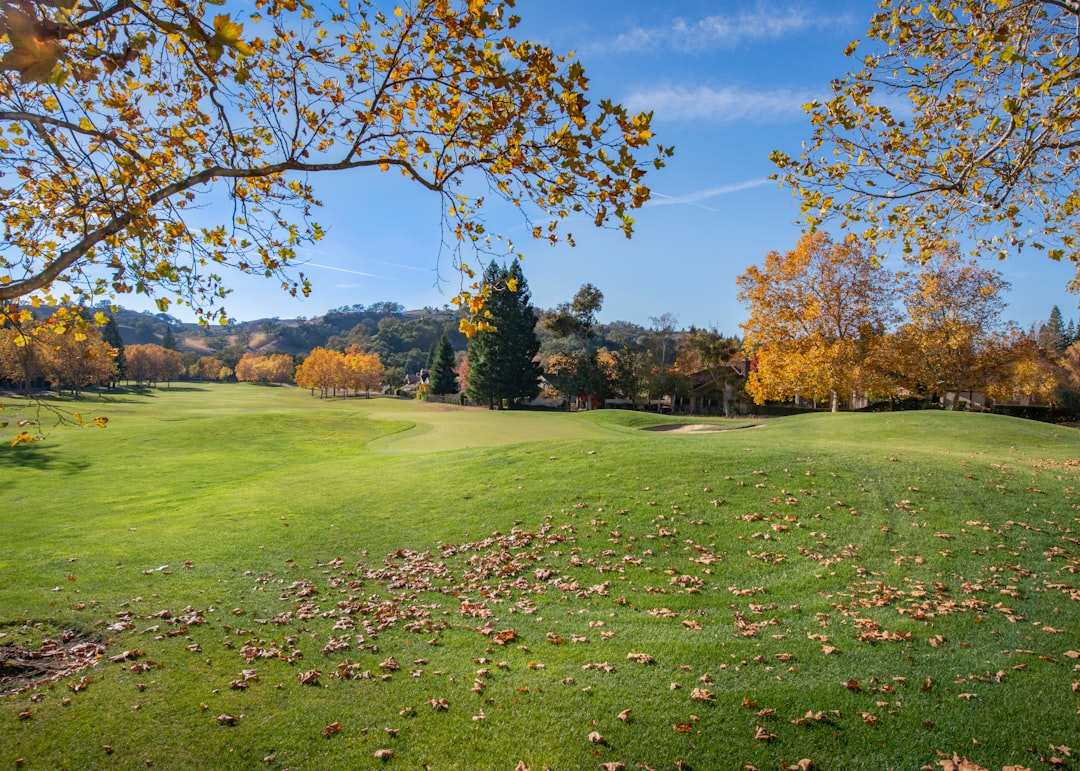
Autumn in Austria is arguably one of the most picturesque times to visit. The vibrant green landscapes of summer transform into a spectacular palette of reds, oranges, and golds, particularly in the vineyards and forests. The weather remains pleasant, with temperatures typically between 10°C and 20°C (50°F to 68°F), and the air is crisp and clear. This is another excellent shoulder season, offering a more tranquil experience than summer, with fewer tourists and often more favorable prices.
This season is perfect for wine enthusiasts, as it’s harvest time in regions like the Wachau Valley and Styria, leading to numerous wine festivals and the chance to taste “Sturm,” young, partially fermented wine. Hiking remains a popular activity, with the cooler temperatures making for comfortable treks amidst stunning scenery. However, be aware that towards late October, some mountain lifts and attractions may begin to close down for the winter season, and the weather can become decidedly cooler, with the possibility of early snow at higher elevations. Packing layers is crucial for autumn travel.
Winter: November to March
Winter in Austria is a magical time, transforming the country into a postcard-perfect wonderland, especially for those who embrace the cold. The landscape is often blanketed in snow, and the air is crisp and invigorating. Average temperatures hover around 0°C (32°F) and can drop significantly below freezing, especially in the mountains. This season is synonymous with world-class skiing, snowboarding, and charming Christmas markets.
The Advent season (late November to Christmas) is particularly enchanting, with cities and towns adorned with festive lights and the aroma of Glühwein (mulled wine) filling the air. Major ski resorts like Kitzbühel, St. Anton, and Ischgl come alive with skiers and snowboarders from around the globe. While the mountains are a winter sports paradise, city breaks also offer unique charm, with museums, concerts, and cozy cafes providing warmth and cultural enrichment. However, be prepared for short daylight hours, and dress warmly with appropriate winter gear. Some mountain roads may be closed, and driving conditions can be challenging due to snow and ice. Outside of the major ski resorts and Christmas market periods, this can be a very quiet season, with some smaller towns and attractions having limited opening hours.
If you’re planning a trip to Austria and want to make the most of your visit, it’s essential to know the best time to go, what attractions to see, and what activities to avoid. For a comprehensive guide that covers unique travel experiences in Austria, you can check out this related article: Unique Travel Experiences in Austria. This resource will help you discover hidden gems and ensure your itinerary is both enjoyable and memorable.
What to See and Do in Austria
Austria offers a staggering array of attractions and activities, catering to every interest, from history buffs and culture vultures to outdoor adventurers and foodies. Its diverse landscapes, rich heritage, and vibrant modern life ensure there’s always something new to discover.
Exploring Austria’s Imperial Cities
Austria’s cities are treasure troves of history, art, and music, largely shaped by the powerful Habsburg dynasty. You’ll find magnificent palaces, grand opera houses, and world-class museums at every turn.
Vienna: The Imperial Capital
Vienna, the capital, is an absolute must-visit. You could spend a week here and still not see everything. Begin your imperial journey at Schönbrunn Palace, the former summer residence of the Habsburg emperors. Explore its opulent rooms, stroll through the vast baroque gardens, visit the Gloriette for panoramic views, and don’t miss the Schönbrunn Zoo, the oldest continuously operating zoo in the world. Next, head to the city center to the Hofburg Palace, the winter residence, a sprawling complex housing the Imperial Apartments, the Sisi Museum (dedicated to Empress Elisabeth), and the Spanish Riding School, where you can watch the Lipizzaner horses perform.
Art enthusiasts will be captivated by the Kunsthistorisches Museum (Museum of Fine Arts), home to masterpieces by Bruegel, Raphael, Rembrandt, and Vermeer. For a taste of Vienna’s musical legacy, catch an opera at the Vienna State Opera or a classical concert. Don’t forget to indulge in Vienna’s famous coffeehouse culture; enjoy a Sachertorte or Apfelstrudel with a Melange. Explore the St. Stephen’s Cathedral, a gothic masterpiece dominating the city skyline, and wander through the charming Graben and Kohlmarkt shopping streets. For a quirky architectural experience, visit the Hundertwasserhaus.
Salzburg: City of Music
Salzburg, the birthplace of Mozart and setting for “The Sound of Music,” is a charming city nestled amidst picturesque mountains. Its Baroque old town is a UNESCO World Heritage site and incredibly walkable. Dominating the skyline is the Hohensalzburg Fortress, one of the largest medieval castles in Europe, offering breathtaking views of the city and surrounding Alps. Take the funicular up for ease of access.
Stroll through the Mirabell Gardens, famous for their “Sound of Music” scenes, and admire the beautiful fountains and sculptures. Visit Mozart’s Birthplace and his Residential House to learn about the composer’s life and work. The Salzburg Cathedral is another architectural marvel worth exploring. If you visit during the summer, you might catch a performance during the world-renowned Salzburg Festival. For a unique experience, consider taking a tour to the nearby Berchtesgaden Salt Mines or the Ice Caves of Werfen (Eisriesenwelt) if visiting in warmer months.
Outdoor Adventures in the Austrian Alps
Austria’s mountainous terrain makes it a paradise for outdoor enthusiasts, offering activities for all seasons and skill levels.
Hiking and Mountain Exploration
The Austrian Alps provide an extensive network of hiking trails, ranging from leisurely strolls through alpine meadows to challenging multi-day treks. In summer, destinations like the Zillertal Valley, Tyrol, and the Salzkammergut Lake District come alive with hikers. You can take cable cars and gondolas up to higher altitudes, making stunning viewpoints accessible to everyone. The Grossglockner High Alpine Road, Austria’s highest mountain pass, offers spectacular scenic drives with numerous viewpoints and opportunities for short walks.
For a unique experience, explore the Dachstein Skywalk near Schladming, offering dizzying views from a suspended bridge. The Stubai Valley is another excellent choice, with its “Seven Summits” challenge for experienced hikers and family-friendly trails around the WildWater Trail. Remember to always check weather conditions before heading into the mountains, wear appropriate footwear, and carry water and snacks.
Winter Sports
When winter arrives, Austria transforms into one of the world’s premier ski destinations. Resorts like Kitzbühel, renowned for its legendary Hahnenkamm race, offer extensive slopes for all abilities. St. Anton am Arlberg is famous for its challenging terrain and lively après-ski scene. For families, resorts like Saalbach-Hinterglemm and SkiWelt Wilder Kaiser-Brixental provide excellent facilities, ski schools, and a wide range of slopes.
Beyond downhill skiing and snowboarding, you can enjoy cross-country skiing on groomed trails, ice skating on frozen lakes or dedicated rinks, and exhilarating toboggan runs. Many resorts offer snowshoeing tours, allowing you to explore the serene winter landscape at a gentler pace. It’s essential to invest in proper winter sports gear, including warm, waterproof clothing, gloves, and appropriate safety equipment. Consider booking ski lessons if you’re a beginner, and always adhere to slope safety rules.
What to Eat and Drink in Austria
Austrian cuisine is hearty, flavorful, and deeply rooted in its history, with influences from neighboring countries like Hungary, Bohemia, and Italy. You’ll find a delightful array of savory dishes, decadent pastries, and excellent beverages.
Must-Try Dishes
When in Austria, you simply must sample some of its iconic dishes. Wiener Schnitzel, a thin, breaded, pan-fried veal cutlet, is perhaps the most famous. It’s typically served with a slice of lemon and potato salad or lingonberry jam. Be sure to try the authentic veal version (Kalbschnitzel) for the best experience. Tafelspitz, boiled beef with horseradish and apple sauce, was a favorite of Emperor Franz Joseph I and is a refined classic.
For something warming, especially in colder months, try Goulash, a rich stew, or Käsespätzle, Austrian cheese noodles similar to mac and cheese, often topped with crispy fried onions. Tiroler Gröstl is a hearty pan-fried dish of potatoes, bacon, and onion, often topped with a fried egg, perfect after a day of hiking or skiing. Don’t forget the sausages! Frankfurter (similar to hot dogs) and Bratwurst are popular street foods.
Sweet Delights and Coffee Culture
Austrian desserts are legendary. The Sachertorte, a dense chocolate cake with apricot jam and a rich chocolate glaze, is a must-try, especially from the Hotel Sacher in Vienna. Apfelstrudel, warm apple pastry, is another classic, often served with vanilla sauce or ice cream. Kaiserschmarrn, shredded pancake served with fruit compote, is a delicious and filling treat. You’ll also find a variety of tortes, cookies, and sweet dumplings.
The Viennese coffeehouse culture is a UNESCO intangible cultural heritage. Spending time in a coffeehouse (Kaffeehaus) is an essential Austrian experience. Order a Melange (similar to a cappuccino), a Verlängerter (extended espresso), or an Einspänner (espresso with whipped cream). Enjoy your coffee with a newspaper, a book, or engaging in conversation, soaking in the elegant, unhurried atmosphere.
Beverages
Austria is a significant wine-producing country, particularly known for its white wines. The Wachau Valley is famous for its Grüner Veltliner and Riesling. Explore local vineyards for tastings. Beer is also very popular, with a wide variety of lagers, pilsners, and specialty brews available. For something non-alcoholic, try Almdudler, a popular herbal lemonade often referred to as Austria’s national soft drink. In winter, Glühwein (mulled wine) and Jägertee (black tea with rum and spices) are festive favorites.
What to Avoid While Visiting Austria
While Austria is a welcoming country, being aware of certain customs, practices, and potential pitfalls can significantly enhance your trip and help you avoid any uncomfortable situations.
Cultural Missteps and Social Etiquette
Austrians are generally polite and reserved. When greeting someone, a simple “Guten Tag” (good day) or “Grüß Gott” (especially in the south) is appropriate. A firm handshake is common. It’s customary to use formal address (Sie) with strangers and in professional settings until invited to use the informal (Du). Punctuality is highly valued, whether for social engagements or appointments. If you’re invited to someone’s home, a small gift like flowers or chocolates is appreciated.
Avoid speaking loudly in public spaces, especially on public transport, as this is generally considered impolite. When dining, wait for everyone at your table to be served before you begin eating, and toast with eye contact. Remember that smoking is banned in all indoor public spaces, including restaurants and cafes. Littering is frowned upon, and public spaces are generally kept very clean.
Tourist Traps and Overspending
Like any popular tourist destination, Austria has its fair share of tourist traps. Be wary of street performers who demand excessive payment or put things into your hand without asking. While some souvenir shops offer genuine local crafts, many sell overpriced, generic items. Look for local markets or smaller, independent shops for more authentic and reasonably priced souvenirs.
In Vienna, avoid booking tours or horse-drawn carriage rides (Fiaker) from aggressive touts; instead, book directly with reputable operators or at tourist information centers. When dining, tourist-heavy areas might have higher prices and potentially lower quality. Venture a few blocks away from the main squares to find more authentic and better-value restaurants.
Be mindful of currency exchange rates if you’re exchanging cash, and always use official exchange offices or ATMs from reputable banks. When using ATMs, be cautious of dynamic currency conversion, where you might be offered to pay in your home currency at an unfavorable exchange rate; always choose to pay in the local currency (Euros).
Driving and Transportation Faux Pas
If you plan to drive in Austria, ensure you understand and adhere to local traffic laws. Speed limits are strictly enforced, and speeding tickets can be expensive. A Vignette (toll sticker) is mandatory for using Austrian motorways and expressways; ensure you purchase and properly display it, or you’ll face hefty fines. These can be bought at border crossings, gas stations, and post offices.
Parking in cities can be challenging and expensive. Consider using public transport, which is excellent, reliable, and efficient in major cities. Trams, buses, and the U-Bahn (metro) are well-connected. Always validate your ticket before boarding or immediately after boarding, depending on the type of transport, as ticket checks are frequent, and fines for invalid tickets are substantial.
Respecting Nature and Wildlife
Austria’s natural beauty is a cherished asset, and visitors are expected to treat it with respect. Stick to marked trails when hiking, especially in protected areas, to avoid damaging fragile ecosystems. Do not disturb wildlife, and never feed wild animals. Take all your rubbish with you and leave no trace. If camping, only do so in designated areas. In winter, respect avalanche warnings and stay on marked ski slopes. Entering closed areas can be extremely dangerous and also carries legal penalties.
By being mindful of these points, you can ensure your visit to Austria is not only enjoyable and enriching but also respectful of the local culture and environment.
If you’re planning a trip to Austria and want to make the most of your visit, you might find it helpful to read about the best time to visit, what to see and do, and what to avoid. For a deeper understanding of travel planning and mental well-being while exploring new destinations, check out this insightful article on mental health during travel. It offers valuable tips that can enhance your experience and ensure you enjoy all that Austria has to offer without feeling overwhelmed.
Practical Tips for Your Austrian Journey
To make your trip to Austria as smooth and enjoyable as possible, keep a few practical considerations in mind. From language to currency, being prepared will help you navigate your adventure with ease.
Language and Communication
The official language of Austria is German. While many Austrians, especially younger generations and those working in the tourism industry, speak excellent English, learning a few basic German phrases will go a long way and be greatly appreciated. Simple greetings like “Guten Tag” (good day), “Bitte” (please), “Danke” (thank you), and “Entschuldigung” (excuse me/sorry) can make a significant difference.
Signage in major tourist areas will often be in both German and English, but in smaller towns or rural areas, it might be German only. Having a translation app on your phone can be very helpful. Don’t be afraid to ask for help; Austrians are generally helpful, especially if you try to speak a little German first.
Currency and Payment Methods
The official currency in Austria is the Euro (€). Credit and debit cards are widely accepted in most hotels, restaurants, and larger shops, particularly Visa and MasterCard. However, it’s always a good idea to carry some cash, especially for smaller purchases, local markets, or in smaller, more rural establishments that might prefer cash payments. ATMs (Geldautomat) are readily available throughout cities and towns.
When paying with a card, you might be asked if you want to pay in Euros or your home currency. Always choose to pay in Euros to get a better exchange rate from your bank. Tipping is customary in restaurants and cafes; a general rule is to round up the bill or add 5-10% for good service. For taxis, round up to the nearest Euro.
Getting Around Austria
Austria boasts an excellent and efficient public transportation system. Trains (ÖBB) are a fantastic way to travel between cities, offering comfortable and scenic journeys. Booking tickets in advance, especially for popular routes or during peak season, can often save you money. Rail passes, such as the Eurail Pass, might be economical if you’re planning extensive train travel across multiple European countries.
Within cities, trams, buses, and U-Bahn (metro) systems are punctual and reliable. Purchasing a day pass or a multi-day pass is often the most cost-effective option if you plan to use public transport frequently. Remember to validate your ticket before or upon boarding to avoid fines.
While driving offers flexibility, especially for exploring scenic routes like the Grossglockner High Alpine Road, be aware of toll requirements (Vignette) and city parking challenges. Rental cars are available at airports and major city centers. Ensure you have an international driving permit if your license is not from an EU country.
Health and Safety
Austria is a very safe country with low crime rates. However, like any tourist destination, it’s wise to be aware of your surroundings and take standard precautions against petty crime, such as pickpocketing, especially in crowded tourist areas or on public transport. Keep your valuables secure and out of sight.
Tap water in Austria is safe and delicious to drink, so feel free to refill your water bottles. For medical emergencies, you can dial 112 for the European emergency number. It is highly recommended to have comprehensive travel insurance that covers medical emergencies, trip cancellations, and lost luggage. If you have any pre-existing medical conditions, carry a doctor’s note and ensure you have an adequate supply of any necessary medications.
By considering these practical tips, you can ensure a smoother, more enjoyable, and stress-free journey through the beautiful country of Austria.