
How Much Independence Is Healthy in a Relationship? Finding the Perfect Balance Between Freedom and Love
How Much Independence Is Healthy in a Relationship?
One of the biggest challenges in modern relationships is finding the right balance between closeness and independence. Too much emotional dependence can lead to pressure and burnout, while too much independence can create distance and disconnection.
So how much independence is actually healthy in a relationship?
The answer isn’t a fixed number of hours apart or a strict set of rules—it’s about emotional security, individuality, and mutual respect.
Independence in Relationships: What It Really Means
Healthy independence does not mean acting single while in a relationship. It means maintaining your identity while choosing to share your life with someone else.
In a healthy relationship, independence looks like:
- Having your own hobbies and interests
- Maintaining friendships outside the relationship
- Feeling emotionally stable on your own
- Making some decisions independently
- Not relying on your partner for constant validation
It’s not about distance—it’s about self-possession within connection.
What Healthy Independence Feels Like
When independence is balanced properly, the relationship feels secure, not restrictive.
You’ll notice:
- You can spend time apart without anxiety
- You still feel like yourself in the relationship
- There’s trust without constant checking or reassurance
- Both partners make time for each other willingly
- Emotional connection doesn’t disappear when you’re not together
This is the foundation of a strong, long-term partnership.
When Independence Becomes Too Much
While independence is healthy, too much of it can slowly weaken emotional intimacy.
Signs independence may be turning into emotional distance:
- Rare deep conversations or emotional sharing
- Little effort to prioritise time together
- Feeling more like roommates than partners
- Avoiding commitment discussions or future planning
- Emotional walls instead of emotional openness
At this point, independence stops being healthy and starts becoming disconnection.
The Problem With Too Little Independence
On the opposite end, too little independence can lead to dependency and emotional pressure.
This might look like:
- Needing constant reassurance
- Losing personal identity in the relationship
- Anxiety when apart from your partner
- Over-reliance on your partner for emotional regulation
- Feeling controlled or overly enmeshed
This creates imbalance and can put strain on both people.
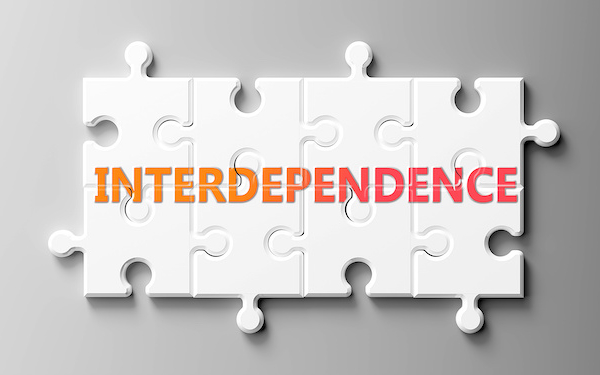
The Healthy Middle Ground: Interdependence
The healthiest relationships don’t sit at either extreme. They operate in a space called interdependence.
Interdependence means:
- You are emotionally whole on your own
- Your partner is emotionally whole on their own
- You choose each other, not out of need, but out of desire
- You support each other without losing individuality
It’s the balance of connection + freedom.
How to Know If Your Relationship Has the Right Balance
Ask yourself:
- Do I still feel like myself in this relationship?
- Can I spend time alone without stress or guilt?
- Do we both make effort to stay connected?
- Is there emotional safety when we’re together and apart?
- Do we grow individually and together?
If the answer is mostly yes, your balance is likely healthy.
Final Thoughts
Healthy independence in a relationship is not about distance—it’s about emotional stability, trust, and individuality. The goal is not to lose yourself in someone else, but to build a relationship where two whole people choose to grow together.
The strongest relationships aren’t built on dependence or detachment—they’re built on secure connection with space to breathe.