Must see places in Malta, when to go, what to see and wat to avoid
Discovering Malta’s Enchanting Archipelago
You’ve set your sights on Malta, a sun-drenched jewel in the heart of the Mediterranean, and you’re in for a treat. This archipelago, brimming with ancient history, vibrant culture, and breathtaking natural beauty, offers an unforgettable escape. But where do you begin in this land of honey-colored stone and sapphire seas? This guide will help you navigate the must-see places, decide on the best time to visit, highlight essential experiences, and even offer advice on what to potentially sidestep, ensuring your Maltese adventure is everything you’ve dreamed of and more. Prepare yourself for a journey through millennia of history, picturesque landscapes, and a warmth that extends beyond the Mediterranean sun to the welcoming smiles of its people.
Valletta: A Fortress City of Grandeur
Your Maltese odyssey invariably begins in Valletta, the capital city and a UNESCO World Heritage site that truly lives up to its moniker as a “city built by gentlemen for gentlemen.” As you walk through its formidable gates, you’re stepping into an open-air museum, a masterpiece of Baroque architecture carved from golden limestone.
St. John’s Co-Cathedral: A Baroque Masterpiece
Do not, under any circumstances, miss St. John’s Co-Cathedral. From its rather austere exterior, you might not anticipate the explosion of opulence that awaits within. Step inside, and you’re immediately enveloped in a riot of gilded carvings, intricate frescoes, and vibrant marble inlays. The sheer scale and artistry are overwhelming. Your eyes will be drawn upwards to the vaulted ceiling, a continuous painting by Mattia Preti depicting scenes from the life of St. John the Baptist. But the true star of the show, and a reason in itself to visit, is Caravaggio’s “The Beheading of Saint John the Baptist.” This monumental work, dark and dramatic, is a powerful testament to the artist’s genius and one of his most important pieces. Give yourself ample time here; rush through, and you’ll miss the subtle details that make this cathedral so extraordinary, from the marble tomb slabs of the Knights of St. John adorning the floor to the elaborately decorated chapels dedicated to the various Langues (tongues) of the Order.
Upper Barrakka Gardens: Panoramas and History
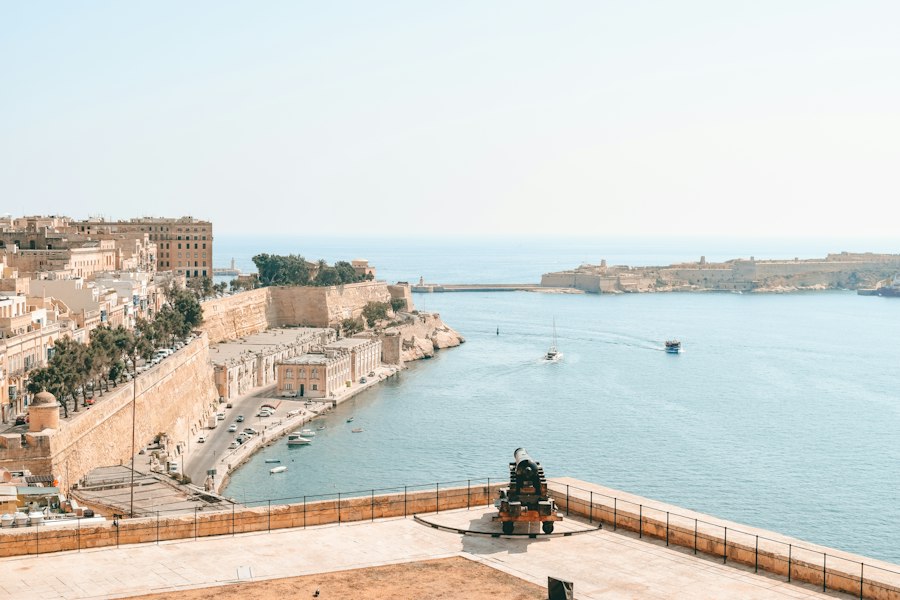
For some of the most stunning panoramic views of the Grand Harbour, head to the Upper Barrakka Gardens. These elegant gardens, originally a private recreation area for the Knights of St. John, offer an unparalleled vista across the Three Cities (Vittoriosa, Senglea, and Cospicua) and the shimmering blue waters below. At noon and 4 PM daily, you can witness the firing of the Saluting Battery, a tradition that dates back to the time of the Knights. The booming cannons echo across the harbor, adding a dramatic soundtrack to the picturesque scene. It’s a perfect spot for photography, a leisurely stroll, or simply to sit on a bench and soak in the history that surrounds you. You’ll often find yourself mesmerized by the activity in the harbor, watching ferries crisscross and traditional luzzu boats bob gently in the water.
Exploring Valletta’s Charming Streets
Beyond the major landmarks, simply wandering through Valletta’s grid-like streets is an experience in itself. You’ll encounter charming traditional Maltese balconies, bustling cafes, and quirky artisan shops. Republic Street and Merchant Street are the main arteries, vibrant with shops and restaurants, but don’t shy away from exploring the quieter side streets. You might stumble upon a hidden courtyard or a tiny church. The city is relatively compact and easily walkable, though be prepared for some inclines. Remember to look up; the architectural details are exquisite. Consider taking a guided walking tour to delve deeper into the city’s rich history and hear stories that bring the ancient stones to life. Valletta, though steeped in the past, is a living, breathing city, and you’ll feel its pulse as you explore its charming nooks and crannies.
When planning your trip to Malta, it’s essential to know not only the must-see places but also the best times to visit, what attractions to prioritize, and what to avoid for a more enjoyable experience. For those interested in exploring the stunning waters surrounding the islands, you might find this related article on water activities particularly helpful. It provides insights into various aquatic adventures you can embark on while in Malta. Check it out here: Water Activities in Malta.
Immersing Yourself in History and Culture
Malta’s history stretches back thousands of years, offering a fascinating journey through prehistoric temples, ancient Roman ruins, and medieval walled cities. You’re not just visiting a place; you’re stepping through the annals of time.
Mdina and Rabat: The Silent City and Its Suburbs
A trip to Malta would be incomplete without visiting Mdina, often referred to as “The Silent City.” Perched majestically on a hilltop, this ancient walled city, once Malta’s capital, exudes an almost ethereal tranquility.
Mdina: A Step Back in Time
As you pass through the impressive main gate into Mdina, you’ll immediately notice the profound sense of peace. Car-free (except for residents), its narrow, winding streets, flanked by noble palazzos and intricate churches, invite you to wander and get lost. The light here, especially in the late afternoon, is magical, casting long shadows and highlighting the golden hues of the stone. Visit St. Paul’s Cathedral, an architectural gem with a magnificent dome and impressive artwork. The Bastion Square offers breathtaking panoramic views of the island, a perfect spot for reflection. Embrace the quiet; the silence is truly one of Mdina’s most defining characteristics. Consider a visit in the evening when the city is softly lit, creating an even more romantic and timeless atmosphere. You’ll find a few charming restaurants within the city walls, offering fine dining experiences in truly unique settings.
Rabat: The Bustling Neighbor
Just outside Mdina’s walls lies Rabat, a much livelier town that serves as its ancient suburb. Rabat offers a fascinating contrast to Mdina’s hushed elegance. Here, you can delve into the extensive St. Paul’s Catacombs, an intricate labyrinth of underground burial chambers dating back to Roman times. These catacombs, vast and historically significant, provide a sobering glimpse into early Christian communities on the island. Nearby, you’ll find Domus Romana, the remains of a lavish Roman villa showcasing intricate mosaic floors and ancient artifacts. Rabat also hosts the Grotto of St. Paul, where, according to tradition, St. Paul lived after his shipwreck on Malta. The town’s vibrant streets and local eateries offer a chance to experience everyday Maltese life, a stark but complementary difference to the serene beauty of Mdina.
The Megalithic Temples: Ancient Mysteries
Malta is home to some of the oldest freestanding structures in the world, the Megalithic Temples, predating Stonehenge and the Egyptian pyramids. These UNESCO World Heritage sites are a testament to an advanced prehistoric civilization.
Hagar Qim and Mnajdra: Coastal Wonders
Located on a windswept plateau overlooking the sea, the temples of Hagar Qim and Mnajdra are particularly impressive. You’ll find yourself standing in awe before massive stone blocks, meticulously carved and assembled over 5,000 years ago. Hagar Qim features a particularly striking main temple with large, elaborately carved altars. Just a short walk away, Mnajdra comprises three temples, beautifully aligned to track celestial events such as the solstices and equinoxes. The interpretive center at the entrance provides invaluable context, using interactive displays to explain the construction, purpose, and eventual abandonment of these monumental structures. You’ll be provided with protective covers as you walk among them, safeguarding these delicate sites for future generations. The sheer effort and ingenuity required to build these temples without modern tools will undoubtedly leave you pondering the mysteries of their creators.
Tarxien Temples: Closer to the Capital
While Hagar Qim and Mnajdra offer a more remote and dramatic setting, the Tarxien Temples, located closer to the modern town of Tarxien, are equally significant. These temples reveal different aspects of the same prehistoric culture, including elaborately carved stone screens and altars, as well as evidence of animal sacrifices. Here, you’ll also find replicas of some of the colossal statues of obese figures (often interpreted as fertility goddesses) that were originally found on site. The site is covered by a protective shelter, which helps to preserve the delicate carvings. Visiting these temples offers a humbling perspective on human history and the enduring legacy of our earliest ancestors.
Exploring Malta’s Natural Beauty and Coastal Charms

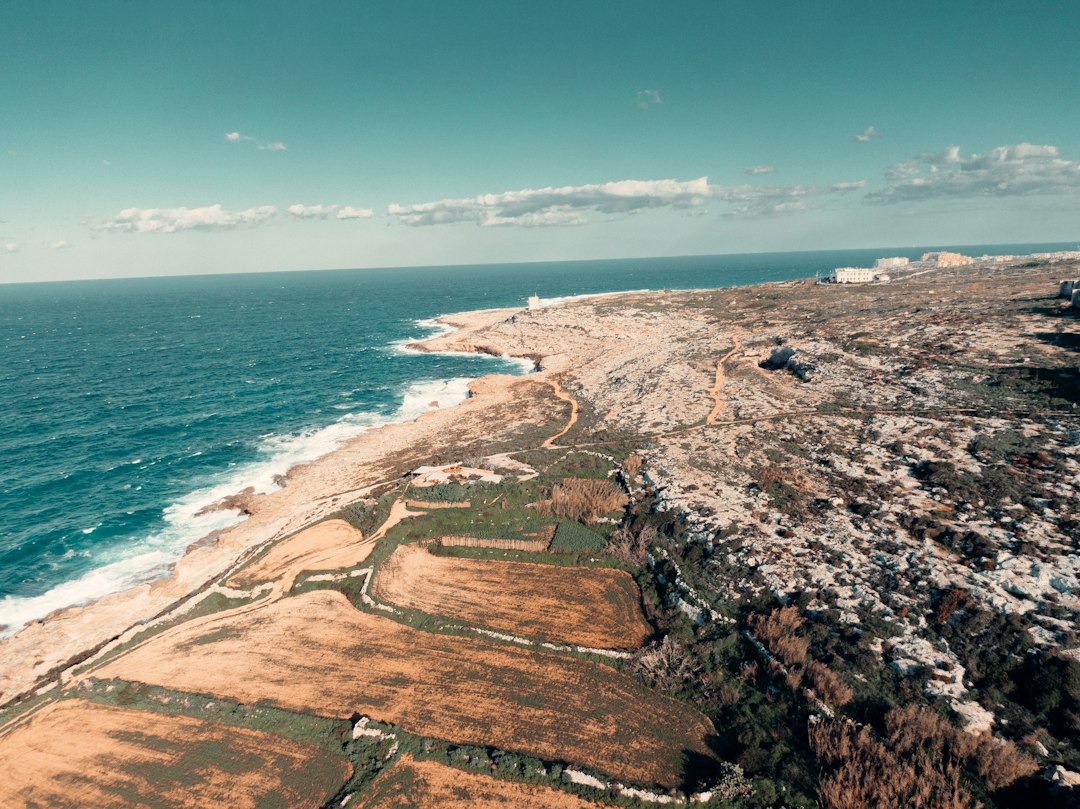
Beyond its historical treasures, Malta’s natural landscape is equally captivating, from dramatic cliffs and azure grottoes to charming fishing villages and idyllic beaches. You’ll find plenty of opportunities to connect with the island’s breathtaking scenery.
The Blue Grotto: A Kaleidoscope of Colors
One of Malta’s most iconic natural attractions is the Blue Grotto, a series of sea caves on the island’s southern coast. You absolutely must take a traditional Maltese boat trip into these caves.
Boat Trip Experience
As you embark on the small, brightly painted boat, you’ll be whisked into a world of vibrant color. The clear waters within the caves reflect the sunlight, creating an astonishing kaleidoscope of deep blues, brilliant turquoises, and even phosphorescent oranges and purples. The names of the caves, like “Cat’s Cave” and “Reflection Cave,” hint at the natural wonders within. Your boatman will skillfully navigate through narrow openings, allowing you to marvel at the sheer rock faces and the incredibly clear water beneath you. It’s an otherworldly experience, particularly on a sunny day when the light is at its best. The entire trip typically lasts about 20-30 minutes, but the memories of the shimmering, luminous water will stay with you long after.
Gozo: Malta’s Tranquil Sister Island
A short ferry ride from Cirkewwa on Malta’s northern tip will transport you to Gozo, the archipelago’s second-largest island. Gozo offers a more tranquil and laid-back atmosphere than its bustling sibling.
Ramla Bay: Gozo’s Red Sand Beach
When on Gozo, make your way to Ramla Bay, famous for its unique reddish-orange sand. It’s one of Malta’s most beautiful and spacious beaches, perfect for a relaxing swim or sunbathing. Overlooking the bay, you’ll find Calypso Cave, reputedly where the nymph Calypso held Odysseus captive for seven years in Homer’s Odyssey. While the cave itself is modest, the views from above are spectacular. Ramla Bay offers excellent swimming conditions, and you’ll find facilities like sunbed rentals and a few kiosks for refreshments.
Victoria and the Cittadella: Gozo’s Heart
Gozo’s capital, Victoria (also known as Rabat), is dominated by the majestic Cittadella, a fortified city that has served as a refuge for Gozitans for centuries. Climb up to the Cittadella’s ramparts for truly panoramic views across the entire island. Within its walls, you’ll discover the Gozo Cathedral, a Baroque masterpiece, and several museums showcasing Gozo’s history and folklore. The narrow streets within the Cittadella are delightful to explore, leading to hidden courtyards and ancient chapels. Victoria itself is a lively town with a bustling market square (It-Tokk) and plenty of shops and restaurants.
Other Gozitan Wonders
While the Azure Window, a natural rock arch, tragically collapsed in 2017, the Dwejra Bay area on Gozo’s western coast remains a must-see. Here, you’ll find the Inland Sea, a tranquil lagoon connected to the open sea by a narrow archway, where you can take small boat trips. Nearby, the Fungus Rock stands as a unique geological formation. For those interested in more ancient history, the Ggantija Temples, another UNESCO World Heritage site, are even older than those on Malta, showcasing remarkable prehistoric engineering. Gozo offers fantastic opportunities for hiking, diving, and simply enjoying a slower pace of life.
When to Visit and What to Avoid
Timing is everything when planning your Maltese adventure. The islands enjoy a Mediterranean climate, but the seasons offer distinct experiences. Knowing what to embrace and what to potentially bypass will significantly enhance your trip.
Best Times to Visit
You’ll find that Malta is generally a year-round destination, but certain periods stand out for different reasons.
Spring (April to May): Mild and Blooming
For many, spring is the ideal time to visit. The weather is delightfully mild, with pleasant temperatures ranging from 18°C to 25°C (64°F to 77°F). The islands are verdant and blooming, making it perfect for hiking and exploring the outdoor sites without the intense summer heat. The sea is still a bit chilly for prolonged swimming but comfortable enough for a quick dip. Crowds are manageable, and prices for accommodation and flights are generally more reasonable than in peak summer. This is an excellent time for cultural tours, temple visits, and enjoying the natural beauty of the islands.
Autumn (September to October): Warm Seas and Fewer Crowds
Another fantastic period is autumn. The scorching summer heat begins to subside, but the sea remains wonderfully warm from the summer sun, making it perfect for swimming, snorkeling, and diving. Temperatures typically range from 24°C to 28°C (75°F to 82°F). The summer crowds have thinned out, offering a more relaxed experience at popular attractions. This period also often sees a continuation of various local festa celebrations, particularly in September. You’ll still enjoy plenty of sunshine, but with a more comfortable climate for all activities.
Shoulder Seasons (March, June, November): Good Value
If you’re looking for good value and don’t mind slightly cooler temperatures or the occasional rain shower, the shoulder months of March, June, and November can be rewarding. March sees the islands beginning to warm up, though the sea is still cold. June is the start of summer, with rising temperatures and longer days, but before the peak crowds arrive. November is the tail end of the warm season, with comfortable days but cooler evenings and a higher chance of rain. You’ll often find better deals on accommodation and fewer queues at attractions during these times.
What to Avoid (or Approach with Caution)
While Malta is largely a wonderful destination, there are a few considerations to keep in mind to ensure a smooth and enjoyable trip.
Peak Summer (July and August): Heat and Crowds
Unless you are solely focused on beach holidays and don’t mind sweltering heat and massive crowds, you might want to consider avoiding July and August. Temperatures frequently exceed 30°C (86°F), often reaching into the high 30s, making sightseeing strenuous. Attractions are packed, restaurants require reservations, and prices for everything are at their highest. If you do visit during this time, plan your outdoor activities for early mornings or late evenings, spend the midday heat by the pool or at a shaded beach, and stay well-hydrated. The sheer volume of tourists can sometimes detract from the charm of the more intimate historical sites.
Driving in Valetta and Surrounding Areas: Traffic and Parking
While having a car can be useful for exploring more remote parts of Malta and Gozo, driving in Valletta and its immediate surroundings can be a challenge. Traffic is often heavy, parking is notoriously difficult and expensive, and the narrow, winding streets of historic towns are not designed for modern vehicles. Consider using Malta’s efficient public bus system, particularly for reaching major towns and tourist hubs. For day trips to Gozo or more rural areas, renting a car might be worthwhile, but generally, for city exploration, public transport or taxis are a less stressful option. The CVA (Controlled Vehicular Access) system in Valletta also charges for entry, which can be confusing for visitors.
Over-Committing to Every Single Festa
Malta is famous for its village festas (feasts), colorful celebrations dedicated to patron saints, featuring fireworks, band marches, and street decorations. While experiencing a festa is a quintessential Maltese experience, you might want to avoid trying to attend every single one, especially if you’re sensitive to noise. The fireworks can be intense and last late into the night. Pick one or two that genuinely interest you and immerse yourself in the local culture, but don’t feel obligated to chase every single celebration across the islands. Research the festa schedule in advance to align with your travel dates if this is something you particularly want to experience.
If you’re planning a trip to Malta, you might find it helpful to explore a related article that offers unique travel experiences in the region. This guide not only highlights must-see places but also provides insights on when to go, what to see, and what to avoid during your visit. For more information, check out this informative article that can enhance your travel itinerary and ensure you make the most of your time in this beautiful Mediterranean destination.
Essential Experiences and Culinary Delights
Your journey through Malta won’t just be about seeing the sights; it’s also about immersing yourself in the local way of life, tasting its unique flavors, and discovering hidden gems that enrich your travel narrative.
Delving into Maltese Cuisine
Maltese food is a delightful fusion of Mediterranean and North African influences, reflecting the island’s strategic location and diverse history. You’ll find hearty, flavorful dishes that are both comforting and exciting.
Pastizzi: The Ubiquitous Snack
You cannot leave Malta without trying pastizzi. These flaky, savory pastries are an institution. Typically filled with either ricotta cheese or mushy peas, they are the ultimate Maltese street food – cheap, delicious, and incredibly satisfying. You’ll find pastizzeriji (small shops selling pastizzi) on almost every street corner. Enjoy them warm, straight from the oven, perhaps with a kinnie (Malta’s bittersweet orange soft drink). They are perfect for a quick breakfast, a mid-morning snack, or a light lunch.
Lampuki Pie and Rabbit Stew: Traditional Mains
For a more substantial taste of Malta, seek out traditional dishes like lampuki pie (fenkata tal-lampuki) and rabbit stew (stuffat tal-fenek). Lampuki (dolphin fish) is a seasonal fish caught in abundance around Malta in autumn. The pie is a rich, flavorful dish often incorporating spinach, olives, and capers. Rabbit stew, a national dish, is slow-cooked to tender perfection in a rich tomato and wine sauce, often served with potatoes. These dishes offer a true taste of Maltese home cooking and are a must-try for any food enthusiast. Look for local restaurants that specialize in traditional Maltese fare, often found outside the main tourist centers.
Fresh Seafood and Local Wines
Given its island location, it’s no surprise that fresh seafood features heavily in Maltese cuisine. Head to charming fishing villages like Marsaxlokk on a Sunday morning for its vibrant fish market, and then enjoy a seafood lunch at one of the many waterside restaurants. You can expect to find grilled fish, octopus stew, and various shellfish. Pair your meal with a glass of local Maltese wine. The island’s winemaking industry is growing, and you’ll find surprisingly good quality reds and whites, often made from indigenous grape varieties like Gellewza and Ghirghentina. Ask your waiter for a recommendation; they’ll often be delighted to guide you through the local options.
Unique Experiences Beyond the Usual Trail
While the main attractions are undoubtedly captivating, don’t shy away from seeking out experiences that offer a different perspective on Maltese life.
Popeye Village: A Whimsical Detour
For a truly unique and somewhat quirky experience, consider a visit to Popeye Village. This charming, rustic film set, built for the 1980 musical production of “Popeye” starring Robin Williams, has been transformed into a family-friendly tourist attraction. Located in Anchor Bay, it’s a delightful place to explore, with its colorful wooden houses, souvenir shops, and various activities. While perhaps not for everyone, if you have children or are a fan of nostalgic cinema, it offers a fun and whimsical break from historical sightseeing. The location itself, nestled in a beautiful cove, is also quite picturesque.
Marsaxlokk Fishing Village: Sunday Market Charm
Make sure to dedicate a Sunday morning to Marsaxlokk, Malta’s most picturesque fishing village. The harbor is dotted with hundreds of traditional luzzu boats, brightly painted in primary colors with the mythical Eye of Osiris adorning their bows. On Sundays, the village hosts a bustling fish market, where local fishermen sell their fresh catches. Even if you’re not buying fish, the atmosphere is vibrant and authentic, offering a wonderful glimpse into local life. Afterwards, find a table at one of the many waterside restaurants and indulge in some of the freshest seafood you’ll ever taste. It’s an idyllic setting for a leisurely Sunday lunch.
Diving and Snorkeling: Underwater Worlds
Malta’s clear, warm waters make it a premier destination for diving and snorkeling. The archipelago boasts an array of impressive dive sites, including natural reefs, ancient wrecks, and intriguing cave systems. The visibility is often excellent, and you can expect to see diverse marine life. Whether you’re a seasoned diver or a beginner looking to try a discover scuba dive, there are numerous reputable dive centers across Malta and Gozo. Even snorkeling in many of the rocky coves will reveal an abundance of colorful fish and interesting underwater landscapes. Consider exploring areas like Cirkewwa, with its excellent wreck dives, or the quieter coves of Gozo for a more serene experience. The underwater world of Malta is as captivating as its land-based treasures.