Poland, must see and do, when to visit and where to avoid
Unveiling Poland’s Charms: A Comprehensive Guide
You’ve heard whispers of its rich history, seen glimpses of its breathtaking landscapes, and perhaps tasted its hearty cuisine. Now, it’s your turn to experience Poland firsthand. This guide will walk you through the must-see sights, unmissable activities, optimal times to visit, and even some places you might want to reconsider, ensuring your Polish adventure is as fulfilling as it is unforgettable. Prepare to immerse yourself in a country that seamlessly blends ancient traditions with a vibrant modern pulse.
Historic Heartlands and Cultural Gems
Poland’s past is etched into every cobblestone street and every towering spire, offering you a profound journey through centuries of triumphs and tribulations. From the medieval splendor of its former capitals to the poignant reminders of more recent history, you’ll find yourself captivated by the stories these places tell.
Kraków: A Royal Legacy
Your exploration of Poland undeniably begins in Kraków, the former royal capital and a city that feels like stepping back in time. The sheer density of historical sites here is astonishing, and you’ll find yourself easily spending several days – if not more – simply wandering its enchanting streets.
Wawel Royal Castle and Cathedral
Perched majestically atop Wawel Hill, this complex is the undisputed heart of Kraków. You’ll spend hours exploring the Royal Apartments, each room a testament to Poland’s opulent past, adorned with tapestries, antique furniture, and royal portraits. Don’t miss the State Rooms, particularly the Hall of Deputies with its unique ‘Wawel Heads’ carved into the ceiling. The Wawel Cathedral, adjacent to the castle, is equally awe-inspiring. It served as the coronation and burial place for Polish monarchs, and you can descend into the crypts to pay respects to kings, queens, and national heroes. Climb the Sigismund Tower for panoramic views of the city – a truly rewarding experience after ascending its narrow spiral staircase. The sheer scale and historical significance of Wawel will leave you breathless.
Main Market Square (Rynek Główny)
Considered one of the largest medieval market squares in Europe, Kraków’s Rynek Główny is a bustling hub of activity and an absolute must-see. You’ll be surrounded by magnificent architecture, from the Cloth Hall (Sukiennice) dominating its center to the towering spires of St. Mary’s Basilica. Take your time to soak in the atmosphere, perhaps enjoying a coffee at one of the many outdoor cafes, watching street performers, or simply people-watching. The Cloth Hall itself is a fantastic place to browse for souvenirs, particularly amber jewelry and local crafts.
St. Mary’s Basilica (Kościół Mariacki)
Standing proudly on the Main Market Square, St. Mary’s Basilica is an architectural marvel. Its striking red-brick Gothic exterior and two uneven towers are instantly recognizable. However, it’s the interior that will truly mesmerize you. You must witness the exquisite wooden altarpiece by Veit Stoss, a masterpiece of late Gothic sculpture. Every hour, on the hour, a trumpeter plays the ‘Hejnal Mariacki’ from the taller tower, a tradition dating back to the Middle Ages. You can even ascend one of the towers for another fantastic view of the square, though check times and ticket availability beforehand.
Warsaw: A Phoenix Reborn
Moving north, you’ll discover Warsaw, Poland’s vibrant capital. Unlike Kraków, much of Warsaw was painstakingly rebuilt after being almost completely destroyed during World War II. This resilience is palpable throughout the city, offering a unique perspective on national identity and rebirth.
Old Town (Stare Miasto)
Designated a UNESCO World Heritage site, Warsaw’s Old Town is a remarkable feat of reconstruction. You’d be forgiven for thinking it was centuries old, so faithfully has it been rebuilt according to 17th and 18th-century plans. Wander through the charming Market Square, admire the colorful façades of the burgher houses, and seek out the iconic Warsaw Mermaid statue. Explore St. John’s Archcathedral and the Royal Castle, which houses an impressive collection of royal art and furnishings. A stroll along the Barbican and defensive walls completes the picture of medieval grandeur resurrected.
POLIN Museum of the History of Polish Jews
This award-winning museum is an absolute must-visit for anyone seeking a deeper understanding of Poland’s complex history. You’ll embark on a chronological journey through a thousand years of Jewish life in Poland, from medieval settlement to the Holocaust and post-war revival. The exhibitions are incredibly engaging, using multimedia, interactive displays, and personal testimonies to tell a powerful and often moving story. It’s a sobering yet essential experience that provides crucial context for understanding both Polish and European history.
Łazienki Park (Park Łazienkowski)
For a tranquil escape from the urban hustle, head to Łazienki Park, Warsaw’s largest park and a stunning example of neoclassical garden design. You’ll find yourself amidst sprawling gardens, charming palaces, and the iconic Palace on the Isle. Take a leisurely stroll, rent a paddle boat on the lake, or simply relax on a bench. In the warmer months, you might catch a free Chopin piano concert by the composer’s monument – a truly delightful experience that encapsulates the city’s appreciation for art and beauty.
Gdańsk: Baltic Beauty
On the Baltic coast, Gdańsk offers a different flavor of Polish history and charm. This port city boasts a rich maritime heritage and a poignant connection to modern European history, being the birthplace of the Solidarity movement.
Long Market (Długi Targ) and Neptune’s Fountain
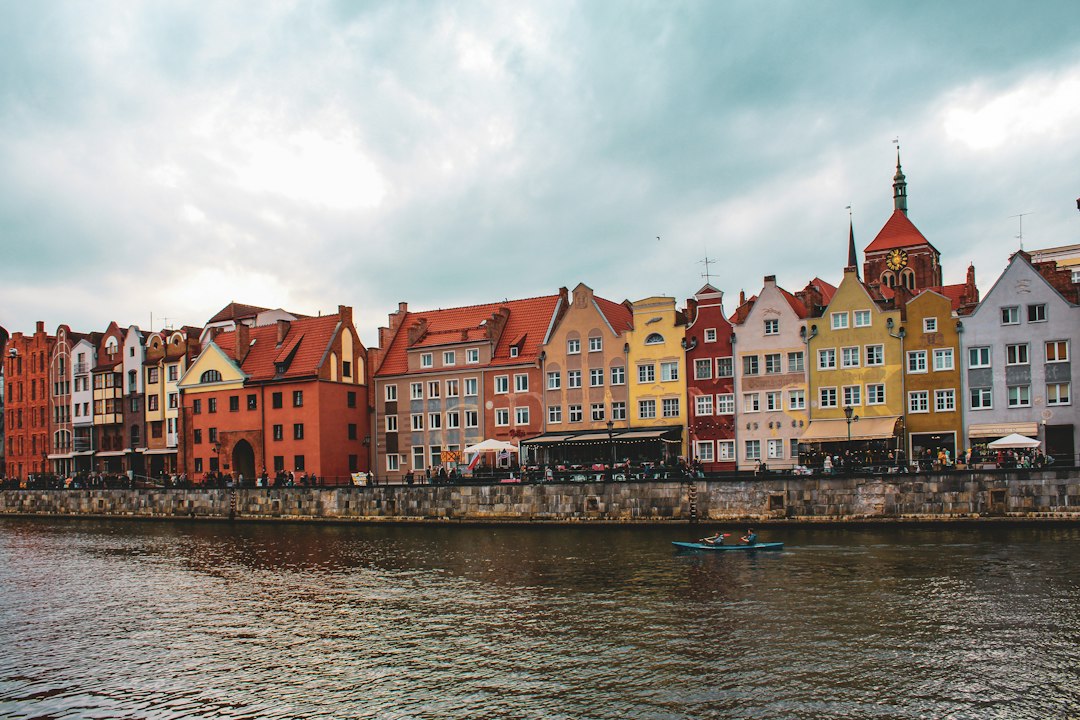
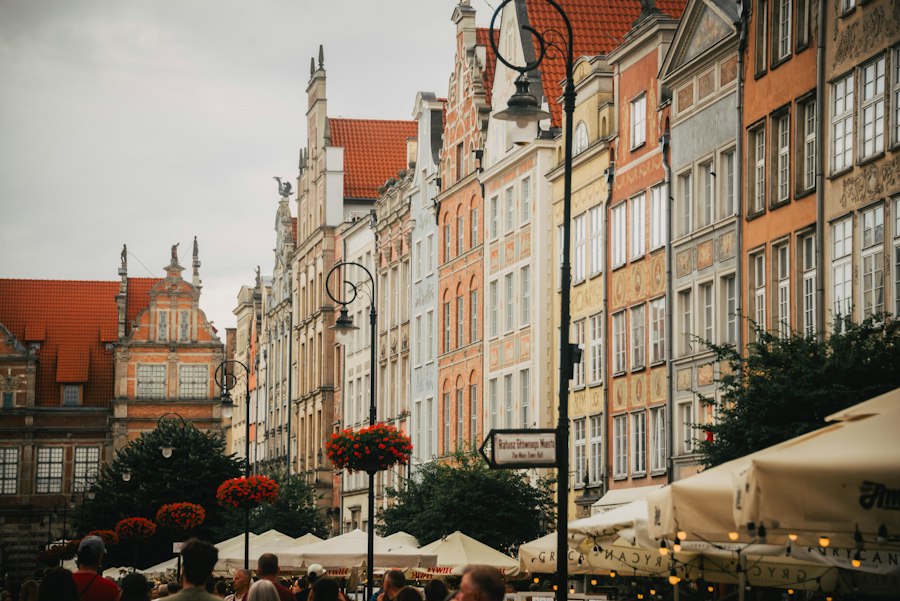
Gdańsk’s main thoroughfare, the Long Market, is a magnificent spectacle of ornate merchant houses, leading down to the beautiful Green Gate. You’ll be captivated by the grandeur of the Artus Court and the iconic Neptune’s Fountain, a beloved symbol of the city. Take your time to admire the intricate details of the architecture and soak in the lively atmosphere. This area is the perfect starting point for exploring the rest of the Old Town.
St. Mary’s Church (Bazylika Mariacka)
One of the largest brick churches in the world, St. Mary’s Church in Gdańsk is an imposing structure that dominates the city skyline. You’ll be awe-struck by its sheer size and the feeling of spaciousness within. Climb the 400 steps to the top of the tower for unparalleled panoramic views of Gdańsk, the port, and the Baltic Sea – a truly rewarding effort. The interior is relatively sparse, emphasizing the grandeur of the Gothic architecture, but don’t miss the astronomical clock.
European Solidarity Centre (Europejskie Centrum Solidarności)
A powerful and moving museum, the European Solidarity Centre commemorates the birth of the Solidarity movement and its pivotal role in the fall of communism in Eastern Europe. You’ll gain deep insights into the struggles for freedom and democracy, seeing original artifacts, historical documents, and personal accounts. The building itself is an architectural marvel, designed to evoke the ships and cranes of the Gdańsk Shipyard, where the movement began. It’s an essential visit for understanding contemporary Polish and European history.
Essential Polish Experiences and Delights
Beyond the grand historical sites, Poland offers a myriad of experiences that will enrich your trip. From underground wonders to culinary adventures, you’ll find plenty to keep you engaged and delighted.
Wieliczka Salt Mine: An Underground City
Just outside Kraków, the Wieliczka Salt Mine is a UNESCO World Heritage site and an absolute must-do. You’ll descend hundreds of feet underground into a subterranean world carved entirely out of salt. Marvel at chapels, chandeliers, sculptures, and even vast halls, all meticulously sculpted from the shimmering rock salt. The highlight is undoubtedly St. Kinga’s Chapel, an entire church complete with altars, reliefs, and even a statue of Pope John Paul II, all made from salt. The scale and artistry are simply breathtaking, and it’s an incredible testament to human ingenuity.
When planning a trip to Poland, there are numerous must-see attractions and activities that can enhance your experience. From the historic streets of Kraków to the stunning Tatra Mountains, Poland offers a diverse range of sights and experiences for every traveler. The best time to visit is during the spring and early autumn when the weather is mild and the landscapes are vibrant. However, it’s advisable to avoid the peak summer months in popular tourist spots to escape the crowds. For more insights on travel tips and recommendations, check out this related article on must-see destinations in Europe at Footsteps and Food.
Auschwitz-Birkenau Memorial and Museum: A Solemn Pilgrimage
A visit to the Auschwitz-Birkenau Memorial and Museum is a profoundly moving and sobering experience, but an essential one for understanding the horrors of the Holocaust. Located near the town of Oświęcim, this former concentration and extermination camp serves as a stark reminder of humanity’s darkest chapter. You’ll walk through the infamous gates, see the barracks, gas chambers, and personal belongings of the victims. The sheer scale of Birkenau, with its rows upon rows of wooden barracks and the remains of gas chambers, is particularly impactful. While emotionally challenging, this visit offers crucial lessons about hatred, prejudice, and the importance of remembrance. Be prepared for a day of quiet contemplation and reflection.
Culinary Journey: Pierogi, Bigos, and More
Your trip to Poland wouldn’t be complete without indulging in its hearty and delicious cuisine. You’ll discover a world of comfort food that is both flavorful and satisfying.
Pierogi Perfection
These delectable dumplings are perhaps Poland’s most iconic dish. You simply must try them in various forms: savory fillings like meat, potato and cheese (ruskie), or sauerkraut and mushroom; and sweet versions with fruit like blueberries or cherries, often served with a dollop of sour cream. Every region and even every family has its own recipe, so you’ll find subtle variations wherever you go. Seek out a traditional ‘pierogarnia’ for an authentic experience.
Hearty Soups and Stews
Polish cuisine excels at warming, comforting dishes. You’ll encounter ‘żurek’ (sour rye soup with sausage and egg, often served in a bread bowl), ‘barszcz’ (clear red beetroot soup, sometimes with ‘uszka’ or small dumplings), and ‘rosół’ (chicken noodle soup). For something more substantial, ‘bigos’ (hunter’s stew) made with sauerkraut, fresh cabbage, and various meats, is a flavorful and satisfying choice.
Sweet Treats and Vodkas
Don’t forget to sample some Polish sweets, like ‘pączki’ (doughnuts, especially popular before Lent) or ‘sernik’ (cheesecake). And of course, Poland is renowned for its vodka. You might enjoy a tasting of different varieties, perhaps a pure rye vodka or a flavored one like bison grass vodka (‘Żubrówka’), often served with apple juice.
When to Visit Poland
Choosing the right time to visit can significantly enhance your experience, influencing everything from the weather and crowd levels to the availability of certain activities.
Spring (April – May): Blooming Beauty
Spring is a wonderful time to visit Poland. You’ll enjoy mild temperatures, blooming flowers, and fewer crowds compared to the peak summer months. Cities like Kraków and Warsaw are vibrant with outdoor cafes reopening, and the parks come alive with greenery. This is a great time for sightseeing without the intense heat or the winter chill. Easter celebrations can be particularly festive and offer a glimpse into Polish traditions, but be aware that some businesses might have reduced hours during the holiday period.
Summer (June – August): Peak Season Buzz
Summer offers the warmest weather, making it ideal for exploring cities, hiking in the mountains (like the Tatras), and enjoying the Baltic coast. However, this is also peak tourist season, meaning you’ll encounter larger crowds at major attractions and higher prices for accommodation and flights. If you’re planning a summer trip, it’s crucial to book everything well in advance. Many outdoor festivals and events take place during this time, adding to the lively atmosphere.
Autumn (September – October): Golden Hues and Fewer Crowds
Autumn is arguably one of the best times to visit Poland. The weather remains pleasant, often sunny and crisp, and the landscapes are transformed into stunning palettes of red, orange, and gold, particularly in the forested areas and mountain regions. The summer crowds begin to dissipate, offering a more relaxed sightseeing experience. Prices for travel and accommodation generally start to drop from their summer highs. This is an excellent time for photography and enjoying the beautiful natural scenery.
Winter (November – March): Festive Charm and Snowscapes
Winter in Poland can be cold, with snow a common occurrence, especially in the south. However, it also brings a magical, festive atmosphere, particularly around Christmas and New Year. You’ll find charming Christmas markets in cities like Kraków and Wrocław, offering mulled wine, local crafts, and delicious seasonal treats. Skiing and snowboarding in the Tatra Mountains (Zakopane) are popular activities. If you don’t mind bundling up, you’ll experience a quieter side of Poland, with fewer tourists and the opportunity to see cities dusted in snow, creating a picturesque setting.
Where to Avoid (or Exercise Caution)
While Poland is generally a safe and welcoming country, like any travel destination, there are certain areas or situations where you might want to exercise a bit more caution or reconsider your plans.
Overly Touristy Traps and Unauthentic Experiences
While you’ll undoubtedly visit major attractions, be mindful of overly commercialized areas that cater solely to tourists, potentially offering inflated prices and inauthentic experiences. For example, while the main market squares in Kraków and Warsaw are beautiful, some of the restaurants directly on these squares might be more expensive and offer less authentic food than establishments just a few streets away. You might find better value and a more genuine taste of Poland by venturing slightly off the beaten path. Look for restaurants with Polish menus and locals dining there.
Nightlife in Certain Areas (Late Hours)
Generally, Polish cities are safe, even at night. However, like any urban environment, certain areas can become less safe late at night, especially around bars and clubs where alcohol consumption is high. Exercise common sense: avoid walking alone down dimly lit streets, be aware of your surroundings, and avoid getting overtly intoxicated. In Kraków, for instance, while the Old Town and Kazimierz are generally safe, some peripheral areas might warrant more caution in the very late hours. Always use reputable taxi services or ride-sharing apps.
Border Regions (Specific Contexts)
While not inherently dangerous, some border regions, particularly those with Belarus or Ukraine, might have increased military presence or specific regulations due to current geopolitical situations. Unless you have a specific reason to visit these areas (e.g., crossing a border legally, specific historical sites), they might not be the primary focus for a tourist looking for cultural or leisure experiences. Always check the latest government travel advisories for any country you plan to visit, especially for border regions. For the vast majority of tourists sticking to popular cities and natural parks, this is generally not a concern.
Over-reliance on Private Tourist Guides (Unverified)
While many reputable tour guides offer fantastic insights, be wary of unofficial or unverified private guides, especially those approaching you on the street. Always book tours through established companies or official tourist information centers. This ensures you’re getting a knowledgeable guide and a fair price, and it also offers a layer of security should any issues arise. Research reviews and credentials before committing to any private tour.
Not Booking in Advance During Peak Season
This isn’t an “avoid” in terms of danger, but rather an “avoid disappointment.” If you plan to visit during the summer months or around major holidays (like Christmas or Easter), you absolutely must book your accommodation, popular tours (like Auschwitz-Birkenau or Wieliczka Salt Mine), and even some popular restaurant reservations well in advance. Failure to do so could result in fully booked hotels, sold-out tours, or long queues, significantly detracting from your enjoyment and potentially forcing you to miss out on key experiences.
Poland is a captivating destination that offers a rich tapestry of history, culture, and natural beauty. For those planning a visit, it’s essential to explore must-see attractions like the historic city of Kraków and the stunning Tatra Mountains. The best time to visit is during the spring and early fall when the weather is pleasant, and the crowds are smaller. However, travelers should consider avoiding the peak summer months in popular tourist areas to escape the hustle and bustle. For more insights on what to see and do in Poland, check out this informative article: Footsteps and Food – Cities.
Your Polish Adventure Awaits
Poland is a country that offers an incredible depth of experience, from its poignant history and architectural marvels to its vibrant culture and delicious cuisine. By following this guide, you’ll be well-equipped to navigate its charms, immerse yourself in its stories, and create lasting memories. Whether you’re drawn to the ancient cobblestones of Kraków, the resilient spirit of Warsaw, or the Baltic breezes of Gdańsk, you’ll find a warm welcome and a country rich in discovery. So pack your bags, prepare your palate, and get ready to be captivated by the magic of Poland.