
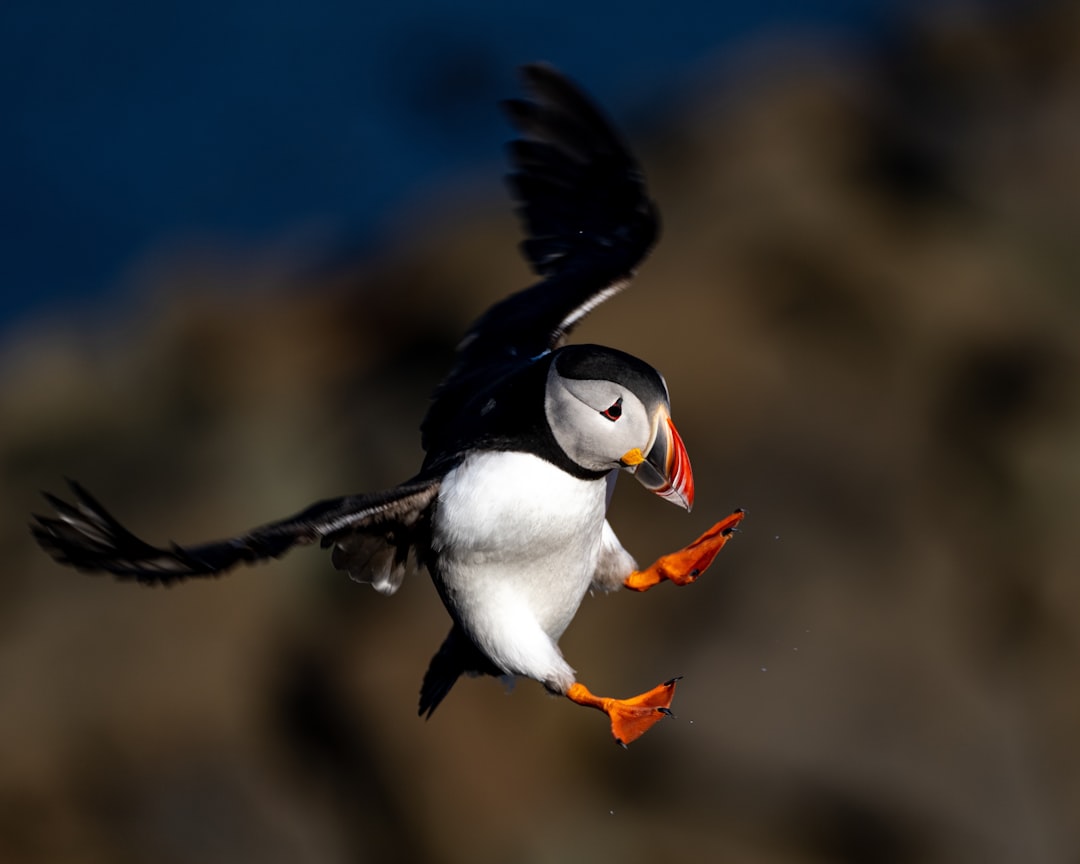
Best places to see Puffins
You’ve seen the postcards, the viral videos, the impossibly cute photos. Now, you’re ready for the real deal. You want to see puffins, those delightful, tuxedo-clad seabirds with their comically large, colorful beaks. And why wouldn’t you? There’s something utterly captivating about these “sea parrots,” as they’re affectionately known. Their earnest waddle, their frantic burrowing, their spectacular fishing dives – experiencing them in their natural habitat is an adventure that promises to etch itself into your memory. But where do you begin your quest? Fear not, fellow puffin enthusiast! This guide will equip you with the knowledge to find your feathered friends and ensure your puffin-spotting expedition is nothing short of spectacular.
The Reigning Champions: Iceland’s Puffin Paradise
Iceland is, without a doubt, the undisputed heavyweight champion when it comes to puffin encounters. With the largest breeding population of Atlantic puffins in the world – estimated to be around 60% of the global total – you’re almost guaranteed a sighting. The vibrant landscape of Iceland, often dramatic and otherworldly, provides a stunning backdrop for these charming birds. Your puffin pilgrimage here will be an immersion into a land shaped by fire and ice, where the air is crisp, the scenery is breathtaking, and the puffins are plentiful.
Westman Islands: The Puffin Capital
If you’re serious about seeing puffins, the Westman Islands (Vestmannaeyjar) should be at the very top of your list. This archipelago, just off Iceland’s south coast, is an absolute puffin mecca.
Heimaey: The Main Attraction
Heimaey, the largest and most inhabited island, is where most visitors make their puffin pilgrimage. The dramatic cliffs here are alive with thousands upon thousands of puffins during their breeding season.
- Getting There: Regular ferry services operate from Landeyjahöfn on the mainland, offering scenic views of the coastline. Alternatively, you can take a short domestic flight from Reykjavík.
- Best Viewing Spots: The most accessible and popular spot is Stórhöfði. You can walk down to the cliffs and observe puffins nesting in burrows just meters away. The sheer density of birds here is astounding. Remember to tread carefully and respect their space.
- Timing is Everything: The puffin season in the Westman Islands typically runs from April to mid-August. The peak months are June and July, when the birds are actively nesting and feeding their young.
- Beyond the Cliffs: While the cliffs are the main draw, take time to explore Heimaey itself. The island has a rich history, a charming town, and stunning volcanic landscapes.
Ellidafoss and Stórhöfði: Dedicated Viewing Areas
Within Heimaey, Stórhöfði is particularly renowned for its puffin colonies. You’ll see them heading out to sea for fish and returning to their burrows with their beaks full. Ellidafoss, another cliff area, also offers excellent opportunities.
- Puffin Behavior to Observe: Keep an eye out for their distinctive fishing technique – they catch small fish, often sandeels, and can carry an impressive number of them in their beaks. You might also witness their clumsy but effective landing style and their territorial disputes.
Látrabjarg: Europe’s Westernmost Point, A Puffin Spectacle
On Iceland’s remote Westfjords, Látrabjarg cliffs offer another world-class puffin viewing experience. These are Europe’s westernmost cliffs, and the sheer scale of the bird colonies here is awe-inspiring.
Accessibility and Logistics
Reaching Látrabjarg requires a more adventurous spirit and a willingness to navigate Iceland’s rugged Westfjords.
- The Journey: The drive to Látrabjarg is a scenic adventure in itself, with winding roads, dramatic fjords, and the chance to see other wildlife like Arctic foxes. It’s best tackled with a 4×4 vehicle, especially outside the peak summer months.
- Accommodation: Options in the Westfjords are more limited than on the south coast. Consider staying in nearby towns like Patreksfjörður or Bíldudalur.
The Cliff Edge Experience
Látrabjarg is famous for the proximity you can achieve to its puffin residents.
- Proximity to the Birds: Unlike some other locations where you might need binoculars for distant sightings, at Látrabjarg, you can often get remarkably close to the puffins without disturbing them. They are surprisingly unfazed by human presence, a testament to the lack of significant natural predators in Iceland.
- The Scale of the Colony: The cliffs stretch for kilometers, and the air is filled with the calls of countless seabirds, including puffins, guillemots, and razorbills.
- Safety First: While the puffins are used to people, always exercise extreme caution when on cliff edges. The terrain can be uneven, and sudden gusts of wind are common. Stick to marked paths and never lean over the edge.
Dyrhólaey: Dramatic Archways and Puffin Neighbors
Near the charming village of Vík í Mýrdal on Iceland’s south coast, Dyrhólaey is a must-visit for its dramatic natural archway and its substantial puffin population.
Coastal Beauty and Birdlife
Dyrhólaey is a nature reserve and a prominent landmark known for its black sand beaches and impressive sea stacks.
- The Iconic Arch: The Dyrhólaey arch is a magnificent rock formation that you can walk around (with care!). During the puffin breeding season, you’ll find puffins nesting on the grassy slopes and cliffs surrounding this iconic landmark.
- Black Sand Beaches: The nearby Reynisfjara black sand beach, with its basalt columns and powerful waves, is a natural wonder in its own right. However, focusing on puffins, Dyrhólaey offers a more intimate encounter.
- Accessibility: Dyrhólaey is easily accessible by car from the Ring Road. There are designated parking areas and walking paths.
Scotland’s Rugged Coastlines: Puffins on the Wild Atlantic Edge
Scotland, with its wild and windswept islands and dramatic coastal cliffs, provides a magnificent stage for puffin colonies. While not as numerous as Iceland, the Scottish islands offer a unique and equally rewarding puffin-spotting experience.
The Farne Islands: A Nature Reserve Gem
Off the coast of Northumberland, the Farne Islands are a wildlife paradise and one of the best places outside of Iceland to see puffins. This archipelago of grassy islets is managed by the National Trust.
Island Boat Trips: The Essential Experience
To truly appreciate the Farne Islands and their inhabitants, a boat trip is essential.
- Booking Your Trip: Book your boat trip well in advance, especially during peak season, as they are incredibly popular. Several operators offer tours from Seahouses.
- The Puffin Cruises: Many cruises focus on wildlife, and puffins are a major highlight. You’ll get close-up views of them feeding, flying, and returning to their burrows.
- Landing Options: Some tours allow you to land on the islands, which provides an even more immersive experience. Be prepared for a bit of a scramble ashore, and always follow the instructions of the rangers.
Close Encounters with Puffins
The Farne Islands are renowned for the close proximity you can achieve with the puffins.
- Nesting Habits: Puffins here nest in burrows, and you’ll see many congregating on the grassy slopes. They are accustomed to the presence of humans, making for incredible viewing opportunities.
- Other Wildlife: Beyond puffins, the Farne Islands are home to large colonies of grey seals, guillemots, razorbills, kittiwakes, and other seabirds. It’s a biodiversity hotspot.
- Ranger Guidance: National Trust rangers are on hand to provide information and ensure the welfare of the wildlife. They are invaluable resources for learning about the puffins and their environment.
Shetland Islands: Where the Wild Meets the Wonderful
The Shetland Islands, a remote archipelago between Scotland and Norway, offer a raw and untamed beauty that perfectly complements its thriving puffin populations.
Mainland Shetland: Accessible Colonies
Even on the mainland of Shetland, you can find excellent puffin viewing locations.
- Eshaness: The dramatic cliffs of Eshaness on the north-west coast are a prime location. The rugged coastline provides nesting sites for puffins, and the views are spectacular.
- North Roe: Around the northern tip of the mainland, you’ll find other coastal areas with puffin activity.
Outlying Islands: Pure Puffin Bliss
For an even more concentrated puffin experience, venture to Shetland’s smaller, more remote islands.
- Fair Isle: This iconic island, famous for its bird observatory and its isolated beauty, boasts a significant puffin population. It requires a flight or a ferry, making it a dedicated expedition.
- Unst and Yell: These islands, connected by bridges, also offer excellent coastal access and puffin sightings. Hermaness National Nature Reserve on Unst is particularly renowned.
- Unique Shetland Charm: The Shetland Islands have a distinct culture and landscape. Combining puffin spotting with exploring this unique part of Scotland adds another layer to your adventure.
Norway’s Dramatic Fjords and Islands: Puffins in a Land of Legends
Norway, with its breathtaking fjords, dramatic coastline, and rich maritime history, is another fantastic destination for puffin enthusiasts. The Norwegian puffin population is substantial, and many accessible locations offer incredible viewing opportunities.
Røst: The Puffin Kingdom of Lofoten
The Røst archipelago, at the westernmost edge of the Lofoten Islands, is a world-renowned puffin hotspot. It’s a significant breeding ground for Atlantic puffins.
Reaching the Islands
Getting to Røst is an adventure in itself, showcasing the rugged beauty of the Lofoten Islands.
- By Air: You can fly into Leknes or Svolvær and then take a ferry or a smaller plane to Røst.
- By Ferry: Ferries connect the Lofoten Islands, and you can reach Røst from Bodø and other locations. The journey offers stunning views of the coastline.
The Puffin Experience on Røst
Once you arrive, the puffins take center stage.
- Storfjellet: This is the main island and where you’ll find the largest puffin colony. The cliffs teem with these birds during the breeding season.
- Boating Excursions: Boat trips around Røst are a popular way to see the puffins and other seabirds. You’ll often get very close to their nesting sites.
- The Vastness of the Ocean: The feeling of being surrounded by the vast Norwegian Sea, with thousands of puffins performing their aerial acrobatics, is truly unforgettable.
Runde: The Bird Island of Western Norway
Off the coast of Sunnmøre, the island of Runde is one of Norway’s most famous bird islands and a protected nature reserve. It’s a smaller but equally rewarding destination for puffin spotting.
Island Access and Exploration
Runde offers a more contained but highly rewarding puffin experience.
- Getting There: You can drive to the mainland village of Gursken and then take a ferry to Runde.
- Hiking Trails: Marked hiking trails crisscross the island, leading you to the best viewing spots. The terrain can be steep in places, so wear good hiking boots.
- The Colony on the Cliffs: The puffins nest on the cliffs, and you can observe them from well-maintained viewpoints.
A Birder’s Paradise
Runde is a haven for a variety of seabirds, making it a fantastic destination for any nature lover.
- Puffin Abundance: While not as massive as Iceland’s colonies, Runde’s puffin population is significant and highly visible.
- Diverse Birdlife: In addition to puffins, you’ll find kittiwakes, fulmars, cormorants, and other species.
- The Charm of the Island: Beyond the birds, Runde has a unique charm, with its lighthouses and its history of shipwrecks.
The North American Coastlines: Seeking Puffins in a New World
While the European Atlantic coast is the undisputed stronghold of the Atlantic puffin, you can also find these charming birds in North America, particularly along the coasts of Canada and the United States.
Machias Seal Island: A Tiny Treasure Trove of Puffins
Machias Seal Island, a tiny, uninhabited island located in the Gulf of Maine, is a remarkable destination for puffin enthusiasts in North America. This island is jointly administered by the United States and Canada, though access is primarily from Cutler, Maine.
The Excursion to the Island
Getting to Machias Seal Island is an adventure that requires planning and an appreciation for the marine environment.
- Boat Trips from Cutler, Maine: Several boat tour operators run excursions to Machias Seal Island from Cutler, Maine. These trips are weather-dependent and book up quickly.
- The Journey Across the Sea: The boat ride can be choppy as you cross the Gulf of Maine. Keep an eye out for other marine life, such as seals and whales, along the way.
- Limited Landing: Landing on the island is carefully managed to minimize disturbance to the wildlife. You’ll have a limited amount of time ashore.
Puffin Encounters on Machias Seal Island
Machias Seal Island is a breeding ground for a substantial population of puffins, making it a premier North American destination.
- Exceptional Proximity: Due to the size of the colony and the carefully managed access, you can often get remarkably close to the puffins here. They nest in burrows on the grassy slopes.
- The Lighthouse and the Landscape: The island is dominated by a historic lighthouse, and the surrounding landscape is rugged and exposed to the elements.
- Other Birdlife: Alongside puffins, you’ll likely see terns, guillemots, and other seabirds.
Witless Bay Ecological Reserve: Newfoundland’s Puffin Haven
On the eastern Avalon Peninsula of Newfoundland and Labrador, Canada, the Witless Bay Ecological Reserve is a vital breeding ground for seabirds, including a magnificent population of Atlantic puffins.
Boat Tours from Bay Bulls
The most popular way to experience the puffins of Witless Bay is by taking a boat tour from the charming fishing village of Bay Bulls.
- The Puffin Cruises: Numerous companies offer dedicated puffin tours. These boats are designed to get you close to the islands without disturbing the birds.
- Impressive Numbers: The reserve is home to millions of seabirds, with the puffin population estimated in the hundreds of thousands. The sheer scale is breathtaking.
- Variety of Islands: The reserve encompasses several islands, including Gull Island andulloch Island, each hosting large colonies.
Observing Puffins in Their Element
The Witless Bay Ecological Reserve provides an exceptional opportunity to witness puffin behavior.
- Busy Bee Activity: During the breeding season, the islands are bustling with activity. You’ll see puffins flying in with fish, tending to their burrows, and interacting with each other.
- Sealion Encounters: Alongside puffins, you’re very likely to see large colonies of Atlantic puffins, guillemots, and razorbills, along with significant numbers of Atlantic puffins.
- Breathtaking Coastal Scenery: The tours also offer stunning views of Newfoundland’s dramatic coastline, with its sea cliffs and rugged beauty.
Planning Your Puffin Adventure: Tips for a Successful and Ethical Trip
Chasing puffins is an exciting endeavor, but a little planning and a commitment to responsible tourism will ensure a more rewarding and ethical experience.
When to Go: The Puffin Season Unveiled
The Atlantic puffin’s breeding season dictates the best time for your visit.
- Peak Season: Generally, the puffin season runs from April to mid-August. The most active period, with the highest numbers of birds and visible activity, is from late May to late July.
- Early vs. Late Season: In early spring, you’ll see them arriving and establishing burrows. Later in the summer, you’ll witness them feeding their young and preparing to fledge.
- Off-Season: Outside of this window, puffins spend their lives at sea and are incredibly difficult to find.
Getting There and Getting Around: Logistics for the Dedicated Birder
Each puffin destination has its unique travel considerations.
- Flights and Ferries: Research flight options to your chosen destination and book internal travel (ferries, domestic flights) in advance, especially for island locations.
- Car Hire: For destinations like Iceland and parts of Scotland and Norway, renting a car provides flexibility. Consider a 4×4 if you plan to explore more remote areas.
- Boat Tours: These are often the primary mode of transport for reaching puffin colonies. Book these in advance, as they are exceptionally popular.
What to Pack: Essential Gear for Puffin Spotting
Be prepared for coastal conditions and dedicated observation.
- Binoculars: Crucial for close-up views and observing behavior. A good pair of 8×42 or 10×42 binoculars should suffice.
- Camera and Lenses: Capture those unforgettable moments. A telephoto lens (200mm or more) is recommended for seabirds.
- Waterproof and Windproof Clothing: Coastal weather can be unpredictable and harsh. Layers are key.
- Sturdy Footwear: You’ll be doing a lot of walking on potentially uneven terrain.
- Sun Protection: Even on cloudy days, the sun can be strong. Hat, sunglasses, and sunscreen are important.
- Insect Repellent: Depending on the location and time of year, midges can be a nuisance.
Ethical Puffinp-Spotting: Respecting Their Habitat
Your presence should be an enhancement, not a disturbance, to the puffins’ lives.
- Maintain Distance: Always observe from a respectful distance. Do not approach nesting burrows or try to get too close for a photo.
- Stay on Marked Trails: This minimizes disturbance to nesting sites and fragile vegetation.
- No Feeding: Never feed puffins or any wildlife. It disrupts their natural behavior and can be harmful.
- Be Quiet: Loud noises can startle birds. Speak softly and move calmly.
- Leave No Trace: Take all your litter with you and ensure you leave the environment as you found it.
- Follow Ranger Guidelines: If there are rangers or wardens present, always adhere to their instructions. They are there to protect the wildlife.
Your puffin adventure awaits! By choosing the right location, timing your visit, and approaching your quest with respect for nature, you’re sure to create memories that will last a lifetime. Happy puffin hunting!