

What really matters,: a guide to prioritising happiness and purpose
You’re standing at a crossroads, aren’t you? Perhaps you feel a nagging sense that something essential is missing, or maybe you’re overwhelmed by the sheer volume of demands on your time and energy. You chase fleeting achievements, accumulate possessions, and compare your life to others, only to find a persistent emptiness. You’re not alone. This guide is for you, a compass to navigate the chaotic waters of modern life and discover what truly matters: a life rich in happiness and purpose.
You’ve been fed a narrative, haven’t you? A story where success is measured by the size of your bank account, the luxury of your possessions, or the number of likes on your latest social media post. This narrative, while powerful, often leads you down a path of dissatisfaction. You strive for “more,” believing it will fulfill an inherent longing, but you often find yourself in a constant chase, never truly arriving.
The Hedonic Treadmill: Why Happiness is a Moving Target
Think about that new car you bought, or that promotion you finally received. For a brief period, you felt a surge of joy, a sense of accomplishment. But then, almost imperceptibly, that feeling faded. You adjusted, and your baseline for happiness recalibrated. This phenomenon is known as the hedonic treadmill. You run faster and faster, achieving more and more, only to stay in the same place emotionally.
- Understanding Your Adaptation: You adapt to positive changes remarkably quickly. What once brought immense pleasure becomes the new normal. Recognize this tendency and understand that external achievements often provide only temporary boosts, not lasting fulfillment.
- The Power of Small Joys: Instead of chasing monumental achievements for happiness, learn to cultivate appreciation for the small, everyday joys. A warm cup of coffee, a genuine smile from a stranger, the beauty of a sunset – these moments, when savored, can build a sturdy foundation of contentment.
The Trap of External Validation: Seeking Approval Beyond Yourself
You’re subtly, and sometimes not-so-subtly, encouraged to seek validation from external sources. Do others approve of your choices? Are you “successful” in their eyes? This quest for external validation can be a crippling burden, making your happiness contingent on the opinions of others.
- The Social Media Minefield: Social media, while having its benefits, often exacerbates this need for external validation. You curate an idealized version of your life, seeking affirmation through likes, comments, and followers. This can lead to a constant performance, eroding your authentic self and generating anxiety.
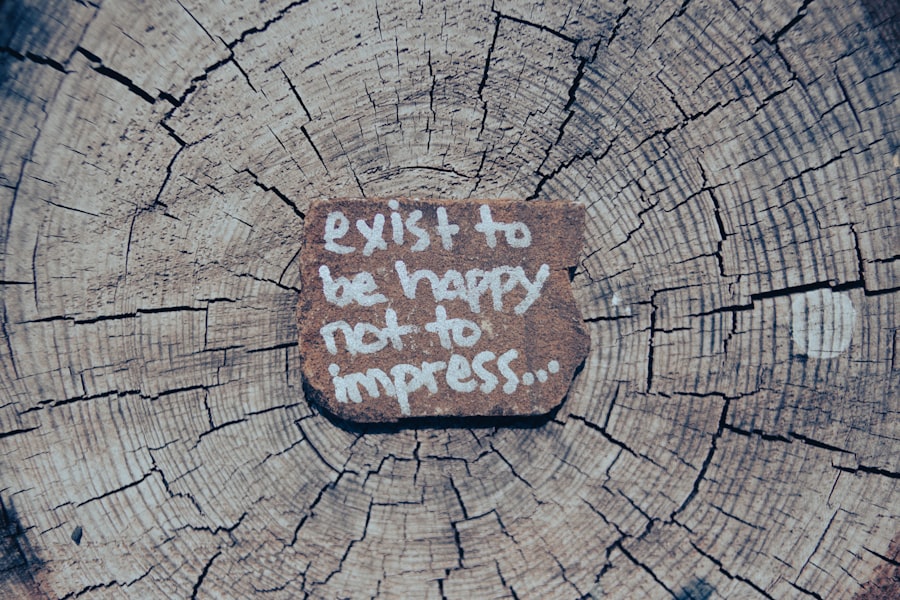
- Reclaiming Your Inner Authority: The crucial step is to shift your focus inward. What do you value? What brings you genuine satisfaction? Learning to trust your own instincts and define success on your own terms is liberating. It allows you to build a life that resonates with your core values, rather than one designed to impress others.
In exploring the themes of happiness and purpose, a related article that delves into practical strategies for enhancing well-being can be found at this link: Tips for a Happier Life. This resource offers valuable insights and actionable tips that complement the ideas presented in “What Really Matters: A Guide to Prioritising Happiness and Purpose,” making it a great companion for anyone looking to cultivate a more fulfilling life.
Defining Your True North: Uncovering Your Core Values and Purpose
If you’re going to prioritize happiness and purpose, you first need to understand what those mean to you. This isn’t a one-size-fits-all answer; it’s a deeply personal exploration. Think of it as finding your internal compass, the unwavering guide that directs your actions and decisions.
The Bedrock of Your Being: Identifying Your Core Values
Your core values are the fundamental beliefs and principles that dictate your behavior and attitude. They are the non-negotiables, the things you hold most dear. When you live in alignment with your values, you experience a sense of integrity and peace. When you deviate from them, you feel a subtle (or not-so-subtle) discomfort.
- A Values Inventory: Take time for honest self-reflection. What truly matters to you? Is it integrity, family, creativity, compassion, freedom, growth, security? There are numerous lists of values available online or in self-help books that can serve as a starting point. Choose 5-7 values that resonate most deeply with you.
- Living Your Values: Once you’ve identified your core values, the challenge is to consciously integrate them into your daily life. If “connection” is a core value, how can you actively foster more meaningful relationships? If “creativity” is essential, what steps can you take to express it more often?
The Why Behind the What: Discovering Your Purpose
Purpose isn’t necessarily about finding a grand, world-changing mission. While admirable, a more pragmatic approach to purpose involves understanding the “why” behind your actions. It’s about contributing something meaningful, making a positive impact, however small, on the world around you.
- Reflecting on Your Passions: What activities naturally draw you in? What do you enjoy so much that you lose track of time? Your passions often hold clues to your purpose.
- Considering Your Strengths and Talents: What are you naturally good at? How can you leverage your unique abilities to serve a greater good or to create something of value?
- Identifying Shared Needs: What problems do you see in the world, or in your community, that you feel compelled to address? Your desire to alleviate suffering or improve conditions can be a powerful catalyst for purpose.
- The Power of Small Contributions: Your purpose doesn’t have to be a full-time job or a global movement. It can be how you show up as a parent, a friend, a colleague, or a volunteer. It’s about how you contribute your unique gifts to make a positive difference.
Cultivating Inner Abundance: Shifting Your Mindset for Lasting Joy

You can have all the external trappings of success, but if your internal landscape is barren, true happiness will remain elusive. Cultivating inner abundance involves actively nurturing positive emotions, fostering gratitude, and practicing self-compassion. It’s about recognizing the richness within yourself, independent of external circumstances.
The Practice of Gratitude: A Daily Dose of Joy
Gratitude is a powerful antidote to discontent. It shifts your focus from what you lack to what you already possess, illuminating the abundance that often goes unnoticed.
- The Gratitude Journal: Make it a daily ritual to write down at least three things you are grateful for. They can be simple: the warmth of your bed, a delicious meal, a kind word from a friend. Over time, you’ll find yourself actively looking for things to appreciate.
- Expressing Appreciation: Don’t just feel gratitude; express it. Thank someone who has helped you, tell a loved one how much they mean to you, or write a card of appreciation. Expressing gratitude strengthens your connections and amplifies your own positive feelings.
Embracing Mindfulness: Living in the Present Moment
Your mind often oscillates between regretting the past and worrying about the future, robbing you of the richness of the present moment. Mindfulness is the practice of consciously bringing your attention to the here and now, without judgment.
- Mindful Breathing: Even a few minutes of focused breathing can bring you back to the present. Notice the sensation of your breath entering and leaving your body. When your mind wanders, gently guide it back.
- Engaging Your Senses: Take a few moments to fully experience an everyday activity using all your senses. When you’re drinking coffee, notice its aroma, its warmth, its taste. When you’re walking, feel the ground beneath your feet, hear the sounds around you, see the details of your surroundings.
- The Benefits of Presence: Practicing mindfulness reduces stress, improves focus, and enhances your appreciation for everyday experiences. It allows you to savor life as it unfolds, rather than constantly striving for the next thing.
Strategic Allocation of Your Life Force: Time, Energy, and Attention
Your life force comprised of your time, energy, and attention, is finite. How you choose to allocate these precious resources directly dictates the quality of your life. Prioritizing happiness and purpose means making conscious choices about where you invest your invaluable life force.
The Tyranny of the Urgent: Distinguishing Important from Non-Essential
It’s easy to get caught up in an endless cycle of reacting to immediate demands. Emails pile up, notifications buzz, and urgent tasks clamor for your attention. But are these urgent tasks truly aligned with your values and purpose?
- The Eisenhower Matrix: This simple tool can be invaluable. Categorize your tasks into four quadrants:
- Urgent & Important: Do these immediately (e.g., a critical deadline).
- Not Urgent & Important: Schedule these (e.g., strategic planning, personal development, quality time with loved ones). This quadrant is where purpose-driven activities reside.
- Urgent & Not Important: Delegate these if possible (e.g., some emails, minor administrative tasks).
- Not Urgent & Not Important: Eliminate these (e.g., excessive social media scrolling, unproductive meetings).
- Protecting Your “Important” Time: Actively block out time in your schedule for activities that align with your values and purpose. Treat these appointments with yourself as non-negotiable.
Boundaries: Your Shield Against Drain
You often feel obligated to say “yes” to every request, every invitation, every demand on your time and energy. This lack of boundaries can lead to burnout, resentment, and a feeling of being constantly overwhelmed.
- Learning to Say “No” Gracefully: Saying “no” isn’t selfish; it’s an act of self-preservation and self-respect. You don’t need elaborate excuses. A simple, “I appreciate you thinking of me, but I won’t be able to commit to that at this time,” is often sufficient.
- Setting Digital Boundaries: Your phone and other devices can be huge drains on your attention. Designate screen-free times, turn off non-essential notifications, and avoid bringing your phone to the dinner table or into the bedroom.
- Protecting Your Energy: Understand what truly energizes you and what depletes you. Prioritize activities that replenish your energy reserves and minimize those that drain them. This could mean more time in nature, pursuing a creative hobby, or simply getting enough restorative sleep.
In exploring the themes of happiness and purpose, a related article that delves into the importance of creating meaningful experiences can be found here. This piece emphasizes how engaging in activities that resonate with our personal values can significantly enhance our overall well-being. By prioritizing what truly matters, we can cultivate a life filled with joy and fulfillment, making every moment count. For further insights, you can check out the article on bucket lists and their role in shaping our experiences here.
The Journey, Not the Destination: Embracing Continuous Growth and Adaptation
Prioritizing happiness and purpose isn’t a one-time endeavor; it’s an ongoing journey. Your values may evolve, your purpose might shift, and your understanding of happiness will deepen over time. The key is to remain adaptable, curious, and committed to your own growth.
The Power of Reflection: Learning from Every Experience
You’re constantly accumulating experiences, but true growth comes from consciously reflecting on them. What went well? What could have been better? What did you learn?
- Regular Check-ins: Schedule regular “check-in” sessions with yourself – a weekly review, a monthly reflection. Ask yourself if your current actions are aligned with your values and purpose. Are you genuinely happy? What adjustments can you make?
- Journaling for Clarity: Journaling is a powerful tool for self-reflection. Write about your thoughts, feelings, challenges, and insights. This practice can reveal patterns, offer solutions, and provide a deeper understanding of yourself.
Embracing Imperfection: The Reality of Human Existence
You will make mistakes. You will fall short of your own expectations at times. This is an inevitable part of being human. Striving for perfection is an exhausting and ultimately futile pursuit.
- Practicing Self-Compassion: Treat yourself with the same kindness and understanding you would offer a good friend. When you face setbacks, acknowledge your feelings without judgment. Remember that progress, not perfection, is the goal.
- Growth Mindset vs. Fixed Mindset: Adopt a growth mindset, believing that your abilities and intelligence can be developed through dedication and hard work. See challenges as opportunities for learning and growth, rather than as reflections of your inherent limitations.
- The Beauty of the Mess: Life is often messy and unpredictable. Instead of resisting the chaos, learn to find the beauty and lessons within it. Embrace the journey, with all its bumps and detours, as an essential part of your unique and magnificent story.
You now possess the navigational tools. The map is in your hands. The journey ahead won’t always be smooth, but with a clear understanding of what truly matters – your values, your purpose, and your inner well-being – you can navigate the complexities of life with greater intentionality, resilience, and a profound sense of fulfillment. Start today. Your happier, more purposeful self awaits.