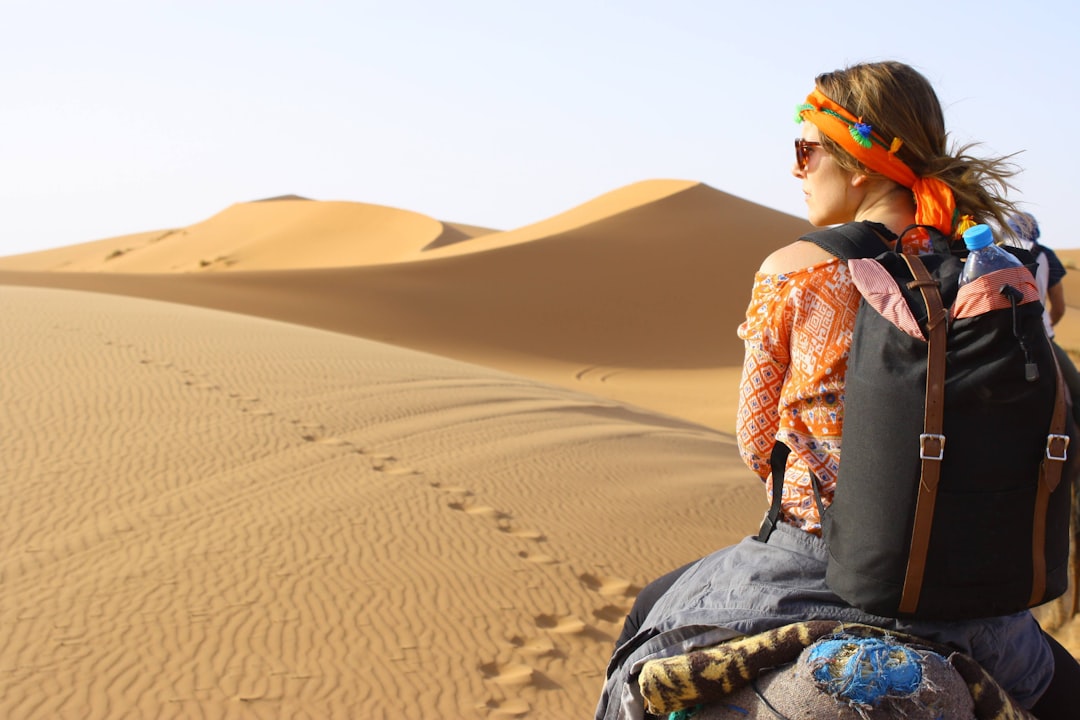
Solo travel simplified: How to plan a safe and rewarding trip alone
So, you’re thinking about packing your bags, grabbing your passport, and heading out into the world all by yourself. Good for you! Solo travel isn’t just a trend; it’s a transformative experience that allows you to discover yourself as much as you discover the world. But the thought of going it alone can be daunting. Fear not, intrepid adventurer! This comprehensive guide is designed to simplify solo travel, ensuring your journey is safe, enriching, and utterly unforgettable.
Before we dive into the nitty-gritty of planning, let’s talk about why you should even consider solo travel in the first place. You might be accustomed to group vacations or partner getaways, but going solo opens up a world of possibilities you never knew existed.
The Freedom of Choice and Spontaneity
When you travel alone, you’re the captain of your own ship. Every decision, big or small, is yours to make. Want to spend an extra day exploring that charming cobblestone street? Go for it. Feel like ditching your carefully planned itinerary for a spontaneous trek up a hidden mountain path? No one’s stopping you. This unparalleled freedom allows for a truly personalized adventure that caters to your every whim.
A Journey of Self-Discovery
Solo travel pushes you out of your comfort zone. You’ll navigate unfamiliar territories, problem-solve on the fly, and engage with new cultures without the buffer of familiar companions. This process inevitably leads to profound personal growth. You’ll learn about your resilience, your strengths, and perhaps even some capabilities you never knew you possessed. It’s an opportunity to strip away societal expectations and truly understand who you are when no one else is watching.
Deeper Immersion in Local Culture
Traveling with a group often means sticking to familiar comforts and tourist traps. As a solo traveler, you’re more approachable to locals and more inclined to seek out authentic experiences. You might find yourself sharing a meal with a local family, learning a traditional craft from a village artisan, or simply striking up conversations in a bustling market. These interactions offer a much richer and more genuine understanding of your destination.
For those interested in enhancing their solo travel experience, a related article titled “Traveling Alone: Embracing the Journey Within” provides valuable insights on the mental and emotional aspects of solo adventures. This piece delves into the psychological benefits of traveling alone and offers tips on how to cultivate mindfulness during your journey. To explore this enriching perspective, check out the article here.
Phase 1: The Planning Power Play
Effective planning is the bedrock of a successful solo trip. It’s not about rigid adherence to an itinerary, but about laying a strong foundation that allows for flexibility and peace of mind.
Choosing Your Destination Wisely
Your first solo trip doesn’t have to be to the Amazon rainforest. Start with a destination that feels manageable and aligns with your comfort level. Consider places known for being safe for solo travelers, with good infrastructure and accessible public transport.
Researching Safety and Stability
Before you even book a flight, dive deep into researching the safety of your chosen destination. Check government travel advisories, read recent news, and look for online forums or blogs dedicated to solo female or male travel in that area. Understanding local customs and societal norms, especially regarding dress codes or public behavior, can also significantly contribute to your safety.
Considering Your Travel Style
Are you an adrenaline junkie or a history buff? A beach bum or a city slicker? Choose a destination that genuinely excites you and aligns with your interests. If your first solo trip is to a place that doesn’t resonate, you might not fully appreciate the experience. For instance, if you love hiking, countries with well-established trail networks are a solid choice. If you’re a foodie, a city renowned for its culinary scene would be perfect.
Budgeting for Your Adventure
Money matters. Creating a realistic budget is crucial to avoid financial stress during your trip.
Estimating Core Expenses
Break down your budget into categories: flights, accommodation, transportation within the destination, food, activities, and a contingency fund. Research average costs for each category in your chosen location. Remember, prices can vary wildly depending on the time of year and specific cities within a country.
Saving Tips for the Solo Traveler
Solo travel can sometimes be perceived as more expensive than group travel, as you’re not splitting costs. However, you also have complete control over your spending. Consider budget-friendly accommodation like hostels (many offer private rooms), guesthouses, or even house-sitting opportunities. Eating like a local at street food stalls or cooking some of your meals can also significantly cut down expenses. Look for free walking tours or public parks for entertainment.
Crafting a Flexible Itinerary
While spontaneity is a huge draw of solo travel, a basic framework provides security and direction.
Identifying Must-See Attractions and Experiences
Highlight a few non-negotiable attractions or experiences you want to have. This gives you a focus point for your travel days. For example, if you’re going to Rome, the Colosseum and Vatican City are probably on your list. Research opening hours, booking requirements, and transportation to these sites.
Building in Free Time and Flexibility
The magic of solo travel often happens in the unplanned moments. Don’t overschedule yourself. Leave ample free time for wandering, people-watching, unexpected detours, or simply relaxing. This flexibility allows you to adapt to new opportunities or simply to rest when you need it.
Phase 2: Essential Preparations for Peace of Mind
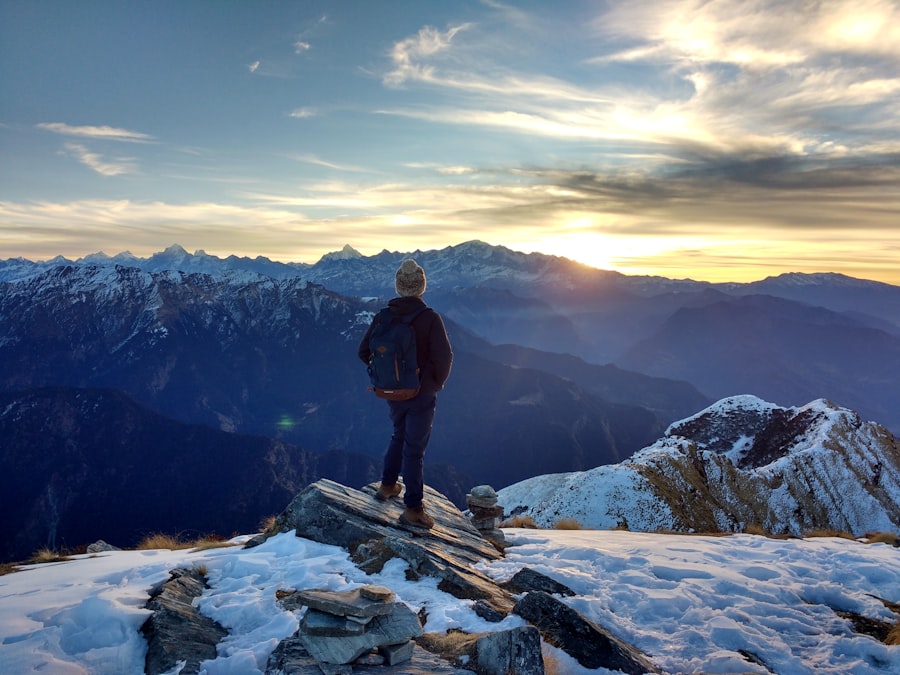
Once you have a destination and a budget, it’s time to get down to the practicalities. These preparations will ensure you’re well-equipped and ready for any eventuality.
All About Documents and Insurance
Your passport isn’t the only vital document you’ll need.
Passport, Visas, and Copies
Ensure your passport is valid for at least six months beyond your intended return date. Research visa requirements for your destination well in advance. Make several photocopies of your passport, visa, and any other important documents. Store these copies separately from the originals, and keep digital copies on a cloud service or email them to yourself.
Travel Insurance: Your Safety Net
Never skip travel insurance for solo trips. It covers medical emergencies, trip cancellations, lost luggage, and other unforeseen circumstances. Read the fine print carefully to understand what is and isn’t covered. This peace of mind is invaluable, especially when you’re traveling alone.
Health and Wellness on the Go
Staying healthy is paramount, especially when you don’t have someone else to lean on.
Vaccinations and Medications
Consult your doctor about recommended vaccinations for your destination. If you take prescription medications, ensure you have enough for your entire trip, plus a few extra days. Carry them in their original containers with your doctor’s note. Pack a basic first-aid kit with essentials like pain relievers, band-aids, antiseptic wipes, and any personal necessities.
Staying Hydrated and Eating Well
It sounds simple, but it’s often overlooked. Drink plenty of water, especially in hot climates. Try to eat balanced meals, even if you’re indulging in local delicacies. Your energy levels and overall well-being depend on it.
Packing Smart for Solo Adventures
Less is generally more when you’re traveling solo, as you’ll be handling all your luggage yourself.
The Art of Minimalist Packing
Focus on versatile clothing items that can be mixed and matched. Layering is key for adapting to different temperatures. Consider quick-drying fabrics. Remember, you can always wash clothes on the go. Roll your clothes to save space.
Essential Gear for Solo Travelers
Beyond clothing, think about crucial items. A portable power bank for your phone, a universal adapter, a reusable water bottle, comfortable walking shoes, a small daypack, and a good book or e-reader for downtime are all excellent additions. Consider a sturdy padlock for hostel lockers if you plan to stay in shared accommodations.
Phase 3: Safety Strategies While on the Road
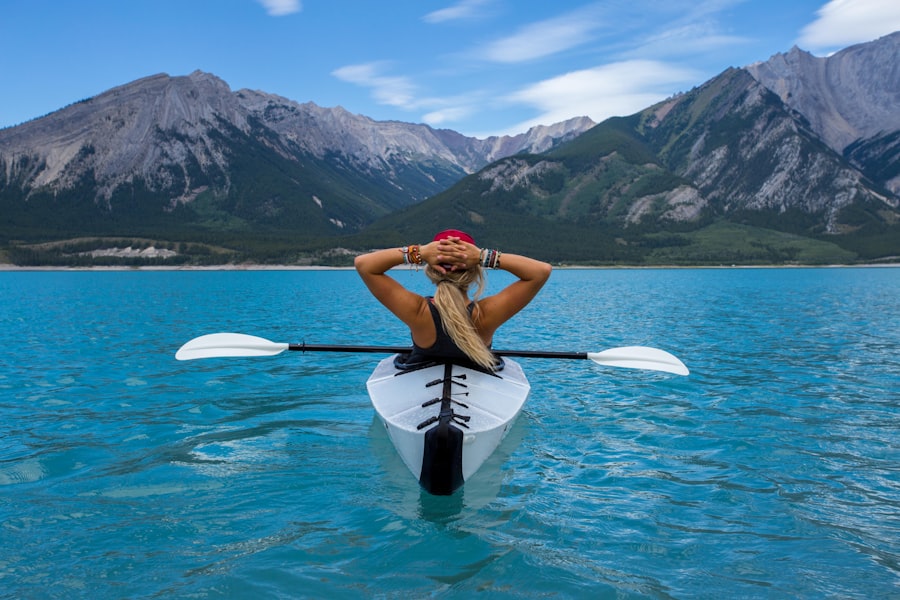
Your safety is your top priority. While solo travel often brings out the best in people, it’s essential to be vigilant and proactive.
Staying Connected and Aware
Technology is your friend, but so is good old-fashioned common sense.
Informing Loved Ones of Your Itinerary
Share your basic itinerary with a trusted friend or family member. Keep them updated on your movements, especially when you’re changing locations or embarking on an adventurous activity. Check in regularly.
Utilizing Technology for Safety
Download offline maps (Google Maps, Maps.me) and translation apps. Use ride-sharing apps (like Uber or local equivalents) with GPS tracking. Share your location with a trusted contact via apps like WhatsApp or Glympse. Carry a fully charged phone at all times.
Navigating Safely in Unfamiliar Territory
Even in the most well-trodden destinations, it’s wise to be cautious.
Trusting Your Gut Instincts
This is perhaps the most important safety tip. If a situation or a person feels off, it probably is. Don’t ignore that feeling. Politely excuse yourself and remove yourself from the situation. Your intuition is a powerful tool.
Being Mindful of Your Surroundings
Avoid walking alone after dark in unfamiliar areas. If you must, stick to well-lit, busy streets. Keep your valuables out of sight and secure. Be aware of pickpockets in crowded areas. When using public transport, try to sit near the driver or other passengers.
Dealing with Unforeseen Challenges
Things don’t always go according to plan, and that’s okay.
What to Do in an Emergency
Know the local emergency numbers. Have copies of your important documents readily accessible. If you lose your passport, contact your embassy or consulate immediately. If you need medical attention, your travel insurance provider will be your first point of contact.
Handling Solitude and Homesickness
Solo travel isn’t always sunshine and rainbows. You might experience moments of loneliness or homesickness. This is normal. Combat it by reaching out to loved ones, journaling, finding social activities (cookery classes, walking tours), or simply embracing the quiet moments. Remember why you started this journey.
For those looking to enhance their solo travel experience, exploring the challenges and rewards of traveling with ADHD can be incredibly insightful. A related article that delves into this topic is available at Footsteps and Food, where you can find tips and strategies tailored for individuals with ADHD to ensure a fulfilling journey. Understanding these nuances can help solo travelers navigate their adventures with greater confidence and enjoyment.
Phase 4: Embracing the Solo Experience
Once you’re safely on your way, it’s time to fully immerse yourself in the solo travel experience.
Connecting with Others Authentically
While you’re traveling solo, you don’t have to be alone all the time.
Making Friends on the Road
Hostels often have communal spaces perfect for meeting fellow travelers. Join walking tours, participate in local events, or simply strike up conversations in cafes. Be open and friendly, but always exercise caution and good judgment when interacting with new people.
Engaging with Locals
Learn a few phrases in the local language – a simple “hello,” “please,” and “thank you” can go a long way. Show genuine interest in their culture. Asking for recommendations for food or activities can often spark interesting conversations and lead to authentic experiences.
Documenting Your Journey
Your memories are precious, and solo travel often creates the most vivid ones.
Photography and Journaling
Capture the moments with your camera, but also take time to put it down and simply absorb your surroundings. Journaling is an excellent way to process your experiences, reflect on your growth, and create a lasting record of your adventures. You’ll thank yourself years later.
Sharing Your Experiences (Responsibly)
Decide how and when you want to share your journey. You might prefer to post updates in real-time, or wait until you return home. Be mindful of not oversharing your exact whereabouts in real-time on public platforms for safety reasons.
For those looking to enhance their solo travel experience, understanding the impact of cognitive function on decision-making can be invaluable. A related article explores how maintaining focus and mental clarity can significantly improve your journey. You can read more about this fascinating connection in the article on cognitive function and focus. By integrating these insights, travelers can ensure their adventures are not only safe but also enriching. For further details, check out the article here.
Your Incredible Solo Journey Awaits
Solo travel is an empowering, exhilarating, and deeply rewarding experience. It pushes your boundaries, expands your horizons, and introduces you to the incredible person you are capable of becoming. By simplifying the planning process, prioritizing safety, and embracing the adventure with an open mind, you’re not just booking a trip – you’re investing in an unforgettable chapter of self-discovery. So, take that leap. The world is waiting for you, and you’re more than ready to meet it. Have a fantastic, safe, and profoundly fulfilling solo journey!