Best Time to Visit Morocco: Weather, Festivals and Travel Tips
I’ve always been drawn to the allure of Morocco – its vibrant colors, ancient medinas, and the intoxicating scent of spices. Planning my first trip there, I quickly realized that timing was everything. I wanted to experience the country at its best, avoiding extreme weather and immersing myself in its rich culture. Through meticulous research and a fantastic journey, I discovered that there isn’t just one ‘best’ time, but rather several optimal windows depending on what I was seeking.
When I started planning, understanding Morocco’s diverse climate was my first priority. Stretching from the Atlantic coast to the Sahara Desert, the weather varies significantly across regions. I learned that what’s perfect for Marrakech might be too chilly for the Atlas Mountains or too scorching for the desert.
Spring: My Favorite Bloom of Warmth (March to May)
For me, spring emerged as a truly magical time to visit. I found that the temperatures were deliciously mild and comfortable across most of the country, making it ideal for exploring bustling cities and scenic landscapes alike.
The Bliss of Balmy Days
I remember the feeling of the gentle sun on my skin as I wandered through the souks of Fes in April. Daytime temperatures typically ranged from 18°C to 25°C (64°F to 77°F), making it perfect for sightseeing without feeling overheated. The air was crisp, and the evenings were cool enough for a light jacket, creating a very pleasant contrast.
Greenery After the Rains
One of the most striking aspects of spring was the vibrant greenery. After the winter rains, the landscapes, especially in the Atlas Mountains, burst into life. I recall driving through valleys painted with wild flowers and seeing almond blossoms adorning the trees – a truly breathtaking sight that added to my sense of wonder.
Ideal for Trekking and Exploring
If I were to return for trekking in the Atlas Mountains, I would definitely choose spring. The trails are accessible and less crowded than in the peak of summer, and the moderate temperatures make long hikes much more enjoyable. I also found it the perfect time for leisurely strolls through the historic medinas of Marrakech and Meknes, soaking in the atmosphere without the oppressive heat.
Autumn: The Golden Hues of Comfort (September to November)
Autumn was another excellent window, offering a similar appeal to spring but with its own distinct charm. I found the weather to be consistently pleasant, and the crowds were slightly thinner than in the spring peak.
Pleasant Warmth and Cooler Evenings
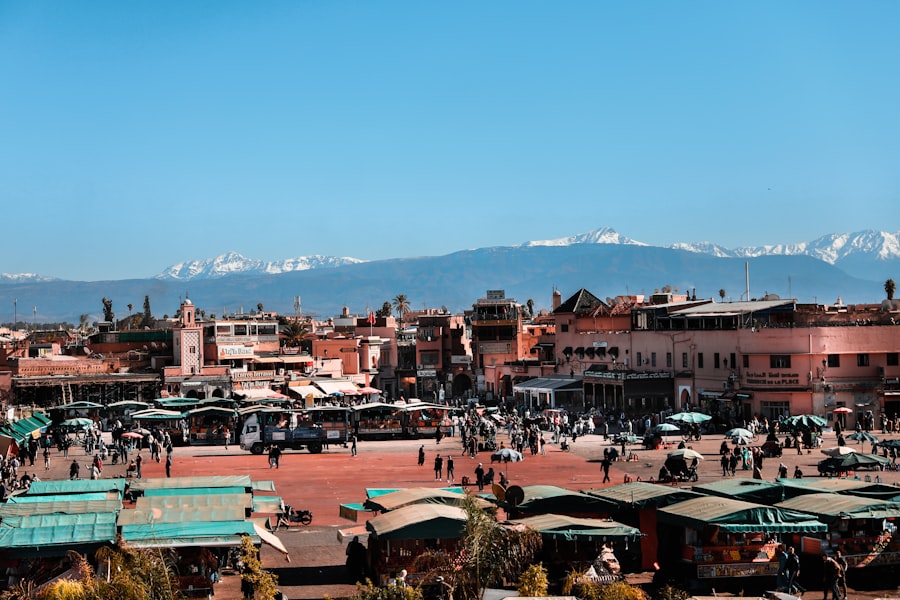
As I explored during late September, I noticed that the daytime temperatures remained comfortably warm, often hovering between 20°C and 28°C (68°F and 82°F) in most accessible areas. The heat of summer had dissipated, but the chill of winter had not yet set in. The evenings brought a welcome coolness, perfect for enjoying a rooftop dinner or a leisurely walk across Djemaa el-Fna.
Desert Adventures Beckon
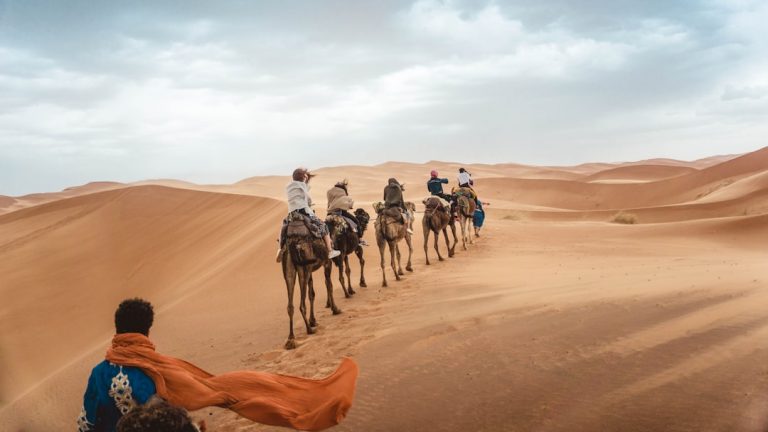
Autumn is, in my opinion, the absolute best time for a desert excursion. I remember my unforgettable night in the Sahara in October. The daytime temperatures were warm enough to be comfortable, but the nights were cool and crisp, ideal for stargazing and sleeping under a thick blanket in a Berber tent. The intense heat of summer that can make desert travel challenging is long gone.
Harvest Season Delights
During my autumn visit, I also noticed the abundance of fresh produce. It’s harvest season for many fruits, and I enjoyed tasting sweet grapes, pomegranates, and dates, which added another layer of sensory delight to my culinary experiences.
Winter: A Tale of Two Climates (December to February)
Winter in Morocco presented a fascinating dichotomy. I discovered that while some regions become quite chilly, others offer surprisingly mild and sunny retreats.
Coastal Comfort
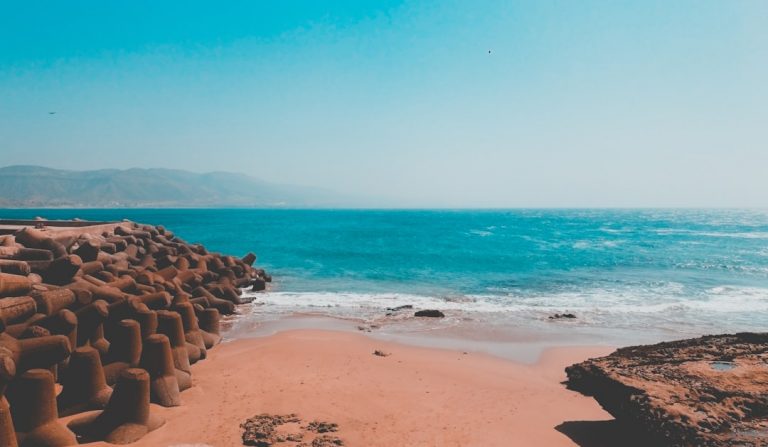
If I craved sunshine in winter, I would undoubtedly head to the coast. Cities like Agadir, Essaouira, and Dakhla enjoy mild temperatures, often ranging from 15°C to 20°C (59°F to 68°F), making them perfect for escaping the European cold. I found walks along the beach in Essaouira incredibly invigorating, with the ocean breeze, though at times brisk, feeling wonderfully fresh.
Mountains and Inland Chill
However, I learned that inland cities like Fes and Marrakech can get quite cold at night, with temperatures sometimes dropping to near freezing. The Atlas Mountains become a winter wonderland, with snow-capped peaks offering opportunities for skiing in places like Oukaïmeden. I imagined the dramatic contrast of snowy mountains against the backdrop of vibrant cities – a unique experience.
Fewer Crowds and Lower Prices
A distinct advantage of traveling in winter for me was the noticeable decrease in tourist numbers and, often, more competitive prices for accommodation and flights. I enjoyed the relative tranquility and felt like I had more authentic interactions with locals.
Summer: The Sun-Drenched Challenge (June to August)
While summer offers its own unique experiences, I generally found it to be the most challenging time to visit, especially for extensive sightseeing.
Intense Heat, Especially Inland
I recall the stories of friends who visited Marrakech in July, describing temperatures that soared past 40°C (104°F). The sheer intensity of the heat, particularly in inland cities and the desert, can make daytime exploration quite arduous. While I admire their resilience, I personally would avoid these regions during peak summer.
Coastal Escapes & Mountain Retreats
However, I discovered that summer isn’t entirely off-limits. The coastal cities like Essaouira and Agadir offer a refreshing escape, thanks to the cooling ocean breezes. Temperatures there are far more manageable, typically ranging from 25°C to 30°C (77°F to 86°F). Also, for those seeking cooler climes, the higher altitudes of the Atlas Mountains provide a welcome respite from the heat, with opportunities for hiking and enjoying cooler mountain air.
Long Daylight Hours
One undeniable advantage of summer is the extended daylight hours. This allows for longer days of exploration, albeit at a slower pace in the heat, and more time to enjoy sunsets and evening activities. If I were to visit in summer, I’d prioritize early morning and late afternoon activities, with long siestas in between.
If you’re planning a trip to Morocco and want to enhance your travel experience, you might find the article on camping and wilderness adventures particularly useful. It offers insights into exploring the stunning landscapes of Morocco, from the Sahara Desert to the Atlas Mountains, and provides tips on how to make the most of your outdoor adventures. For more information, check out the article here: Camping and Wilderness Adventures in Morocco.
Morocco’s Vibrant Tapestry of Festivals
Beyond the weather, I realized that Morocco’s cultural calendar is brimming with festivals, and planning my trip around one of these events could significantly enhance my experience. I found attending a festival to be an incredibly immersive way to connect with Moroccan traditions and joyous celebrations.
If you’re planning a trip to Morocco and want to make the most of your experience, you might find it helpful to read about the best times to visit, including insights on weather, festivals, and travel tips. A related article that explores the intricacies of travel and relationships can provide valuable context for your journey. For more information, check out this insightful piece on relationships and travel, which can enhance your understanding of how to connect with the local culture during your stay.
Religious Festivals: A Deeper Connection
Morocco, being a predominantly Muslim country, observes several important religious festivals, which are timed according to the Islamic lunar calendar. This means their dates shift each year in the Gregorian calendar.
Eid al-Fitr: The Feast of Breaking the Fast
I learned that Eid al-Fitr marks the end of Ramadan, the month of fasting. This is a joyous occasion of family gatherings, feasting, and gift-giving. While it’s a wonderful time to witness Moroccan hospitality, I was also advised that many businesses might close or operate on reduced hours as families celebrate. I found that observing the preparations and the general atmosphere of celebration was a powerful cultural insight.
Eid al-Adha: The Festival of Sacrifice
Eid al-Adha is another significant religious festival, commemorating Abraham’s willingness to sacrifice his son. It involves the ritual sacrifice of sheep and sharing meals with family and the less fortunate. Similar to Eid al-Fitr, I realized that travel logistics might be affected, but the cultural experience of witnessing these deeply rooted traditions would be profound.
Ashura: A Day of Reflection
While not as widely celebrated as the Eids, Ashura holds significance, particularly among children who receive gifts. I recognized that these religious holidays are not tourist events per se, but rather an integral part of Moroccan life, and my presence would be as an observer, respecting the local customs and traditions.
Cultural Festivals: A Feast for the Senses
Morocco also hosts a myriad of secular and cultural festivals that are incredible opportunities to dive deeper into the country’s artistic and traditional heritage.
Fes Festival of World Sacred Music (June)
This festival sounded absolutely enchanting to me. Held annually in Fes, it brings together musicians and performers from around the globe to celebrate spiritual music. I imagined the ancient medina echoing with soul-stirring melodies – a truly unique fusion of culture and atmosphere. I made a mental note that if I return in early summer, this festival would be my top priority.
Gnaoua World Music Festival in Essaouira (June)
Another June highlight, the Gnaoua Festival in Essaouira celebrates the mystical Gnaoua music, a blend of African, Berber, and Arabic rhythms. Friends who have attended describe it as an energetic, vibrant event that takes over the coastal city. I pictured Essaouira’s charming streets buzzing with music and revelers – a fantastic synergy between the seaside town and its unique cultural expression.
Rose Festival in Kelaat M’Gouna (May)
This festival, held in the ‘Valley of Roses’ in the Dades Valley, celebrates the harvest of Damascus roses. I envisioned the streets filled with the scent of roses, parades, traditional music, and dancing. It sounded like an incredibly picturesque and fragrant event, perfect for a spring visit to the Atlas foothills.
Imilchil Marriage Festival (September)
This traditional Berber festival, held in the High Atlas Mountains, is a unique cultural spectacle. It’s an annual gathering where young men and women from different tribes come together to choose partners. While witnessing a marriage ceremony might not be the primary goal, I found the opportunity to observe this centuries-old tradition and experience Berber culture firsthand fascinating.
Marathon des Sables (April)
For the adventurous at heart, the ‘Marathon of the Sands’ is an ultra-marathon across the Sahara Desert. While I’m not a runner myself, I learned that participating in or even observing parts of this grueling yet awe-inspiring event would be an unforgettable experience. It highlights the vastness and majesty of the desert in a truly unique way.
My Essential Travel Tips For A Smooth Moroccan Adventure
Beyond weather and festivals, I gathered a collection of practical tips that proved invaluable for my Moroccan journey. These insights, I believe, are crucial for first-time visitors to ensure a comfortable and enriching experience.
Packing Essentials: Smart Choices, Happy Traveler
I quickly learned that what I packed made a significant difference to my comfort, especially given Morocco’s varying climates.
Layering is Key
I found that layering was my best friend. Even in warm months, evenings can be cool, especially in the desert or mountainous regions. I always carried a light jacket or scarf, even if the day started sunny and warm. For spring and autumn, a mix of short and long-sleeved tops, a warm sweater, and a rain jacket (just in case) proved ideal.
Modest Dress, Respectful Travel
As a female traveler, I definitely prioritized modest clothing out of respect for local customs, particularly in religious sites and rural areas. Loose-fitting long pants or skirts, and tops that cover my shoulders and décolletage, were my go-to. While not strictly enforced for tourists in major cities, I found that dressing modestly helped me feel more comfortable and blend in more effectively. A headscarf was also useful not just for religious sites, but also for sun protection or a sudden gust of wind.
Footwear for All Terrains
I packed comfortable walking shoes for exploring the medinas and perhaps a sturdy pair of hiking boots if I planned on trekking. Sandals were great for warmer days and hotel relaxation, but definitely not for navigating the uneven, bustling streets.
Navigating Logistics: Getting Around and Staying Connected
Understanding the practicalities of travel helped me feel more prepared and less stressed.
Transportation: Trains, Buses, and Taxis
I utilized Morocco’s efficient train network for inter-city travel between places like Marrakech, Fes, and Casablanca. It was comfortable, affordable, and offered scenic views. For more remote areas, I found that CTM and Supratours buses were reliable and a good value. Within cities, I relied on ‘petit taxis’ (small, metered taxis) and always made sure the meter was on or negotiated the fare beforehand. For longer journeys or group travel, I also considered hiring a private driver for convenience and flexibility.
Staying Connected: SIM Cards
Upon arrival, I purchased a local SIM card from Maroc Telecom or Inwi. It was inexpensive and provided reliable data and calls, which was essential for navigation, keeping in touch, and accessing information. I found it incredibly useful for finding my way through the labyrinthine medinas.
Cultural Sensitivity: Embracing Local Customs
My trip taught me that respectful interaction with locals greatly enhanced my experience.
Language Basics
While many Moroccans in tourist areas speak French and some English, I found that learning a few basic Arabic or Berber phrases (like ‘Salam Alaikum’ – hello, ‘Shukran’ – thank you, ‘La shukran’ – no thank you) went a long way. It often elicited smiles and a warmer reception.
Haggling in the Souks
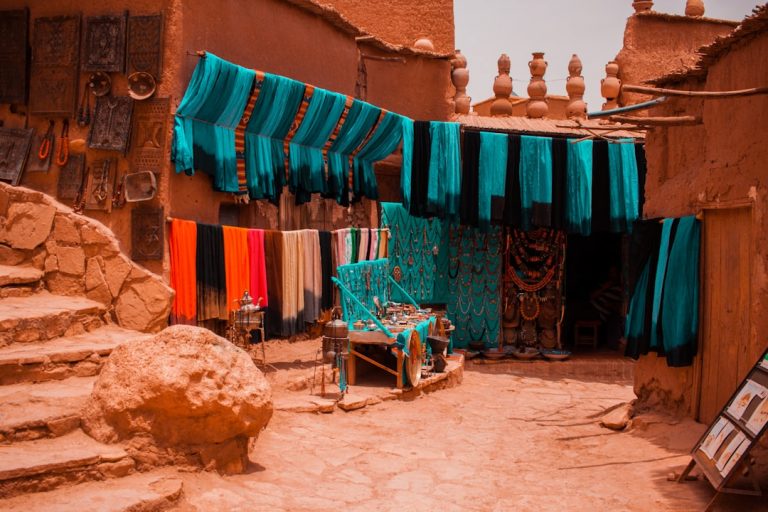
I quickly learned that haggling is an expected part of the shopping experience in the souks. I approached it with a friendly demeanor, a good sense of humor, and remembered to start at about half the asking price and negotiate upwards. It was an enjoyable cultural dance, not just a transaction.
Photography Etiquette
I always asked permission before taking photos of people, especially in rural areas or if they were street vendors or performers. Respecting personal space and privacy was important to me, and I found that most people were happy to be photographed once asked, but a polite refusal was always accepted gracefully.
Health and Safety: My Peace of Mind
Ensuring my well-being was always a priority.
Hydration & Sun Protection
The Moroccan sun can be intense, so I stayed well-hydrated, always carrying a reusable water bottle. Sunscreen, a wide-brimmed hat, and sunglasses were constant companions. I also made sure to drink plenty of bottled water rather than tap water.
Food Safety
While Moroccan cuisine is delicious, I exercised caution when choosing street food, opting for stalls with high turnover and freshly cooked items. I also made sure to wash my hands frequently. I heard stories of ‘Marrakech belly,’ and I was determined to avoid it!
Awareness of Surroundings
While Morocco is generally safe, I remained aware of my belongings, particularly in crowded areas like souks and bus stations, where petty theft can occur. I also avoided walking alone in dimly lit areas at night, especially in less familiar parts of cities.
In conclusion, my journey through Morocco was a mosaic of unforgettable experiences, shaped significantly by my thoughtful planning. From the vibrant spring blossoms to the golden hues of autumn, the ideal time to visit truly depends on individual preferences and the specific adventures I sought. By aligning my trip with the favorable weather, immersing myself in captivating festivals, and arming myself with practical travel tips, I crafted an adventure that resonated deeply with me, leaving me with a profound appreciation for this extraordinary country.