When Is the Best Time to Visit Greece? A Month-by-Month Guide
When friends ask me for travel advice, one of the most frequent questions I hear is, “When is the best time to visit Greece?” And honestly, my answer is almost always, “It depends.” Greece, with its incredible diversity of landscapes, rich history, and vibrant culture, offers something unique in every season. Over my many trips there, I’ve experienced it all – from scorching summer days on sun-drenched islands to crisp, surprisingly cool winter mornings exploring ancient ruins. So, allow me to share my accumulated wisdom, a month-by-month breakdown to help you pinpoint your perfect Greek adventure.
Ah, spring in Greece! This is, without a doubt, one of my absolute favorite times to be there. The landscape, parched from the summer sun or dormant in winter, bursts into life with wildflowers painting the hillsides in vibrant hues of red, yellow, and purple. The air is fresh and mild, a welcome departure from the intense heat of summer, making it ideal for exploration.
March: The Awakening
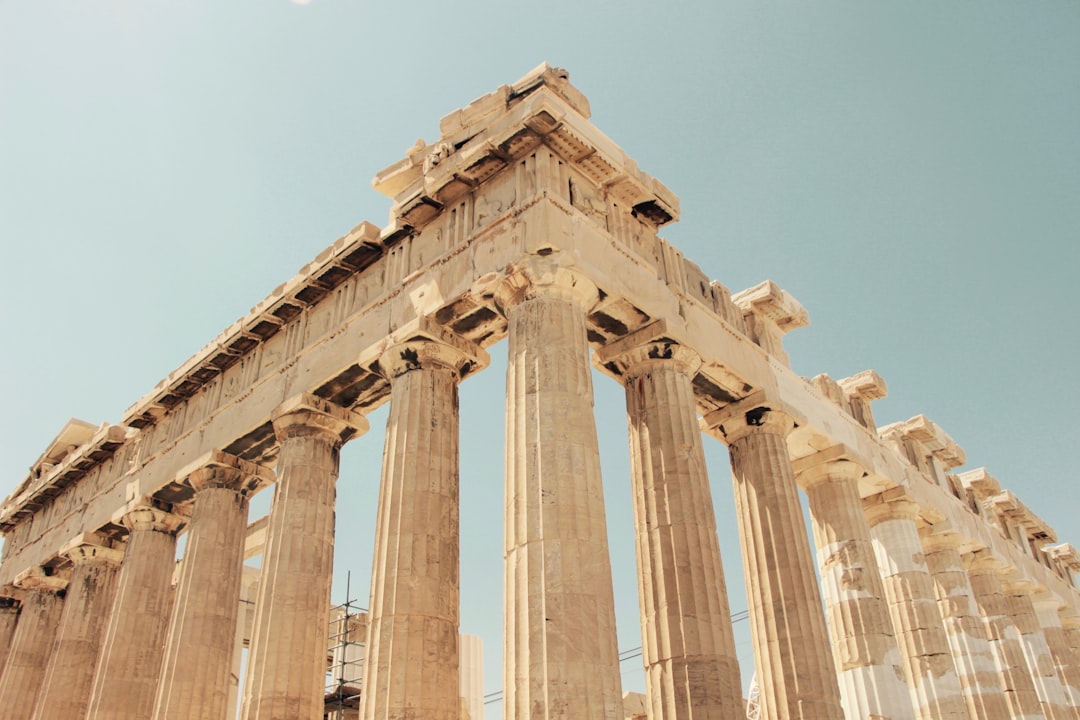
March feels like the Greek landscape is just stirring from its winter slumber. The tourist crowds are almost non-existent, making it a dream for those who crave a more authentic and quiet experience. I’ve found that early spring is perfect for city breaks. Athens, for example, is a joy to explore. I can wander through the Acropolis and the Agora without feeling rushed or overwhelmed by fellow travelers. The archaeological sites are wonderfully uncrowded, allowing me to truly absorb the history without jostling for a view.
The weather in March is generally mild, with average temperatures hovering around 10-15°C (50-59°F), though it can be a bit unpredictable. I always pack layers, as there can be some rainy days, especially in the early part of the month. The islands are still fairly quiet, with many businesses just beginning to open up for the season. This means fewer ferry options and some restaurants might not be open yet, but the trade-off is a peaceful, uncommercialized island experience that I truly cherish. I’ve enjoyed long, solitary walks on beaches in Mykonos or Santorini during this time, feeling like I have the whole place to myself. It’s a wonderful time to connect with locals as they prepare for the busy season.
April: The Sweet Spot
For me, April is often the true sweet spot for visiting Greece. The weather is consistently pleasant, with average temperatures ranging from 15-20°C (59-68°F), and the days are getting longer. The occasional rain shower might still occur, but they’re usually brief and refreshing. This is when the islands truly begin to come alive, but without the chaotic crowds of peak season. Ferry schedules become more frequent, and more hotels and tavernas open their doors.
Crucially, April often coincides with Orthodox Easter, which is Greece’s most important religious holiday. If you’re lucky enough to be there during Holy Week, I highly recommend it. I’ve experienced the incredibly moving processions, the midnight resurrection service (Anástasi), and the joyous feasting that follows. It’s an unforgettable cultural immersion, though keep in mind that some businesses might operate on reduced hours around the holiday. This is also a fantastic time for hiking, especially in regions like Crete or the Peloponnese, where the trails are adorned with blooming flora. Exploring medieval towns like Monemvasia or Nafplio at this time of year is a delight.
May: Warmth and Wonder
May ushers in genuinely warm weather, with average temperatures climbing to 20-25°C (68-77°F). The sea is still a bit cool for some, but I find it perfectly refreshing for a dip. The tourist season is well and truly underway, but it’s still far from the peak summer madness. This month offers the perfect balance: warm enough for beach days and swimming, but comfortable for sightseeing. All the tourist infrastructure is up and running, from island-hopping ferries to vibrant beach bars.
I find May an excellent time for island hopping. I can easily travel between multiple islands, enjoying the burgeoning nightlife and delicious seafood without feeling overwhelmed. Destinations like Santorini, Mykonos, and Rhodes are bustling but not yet suffocatingly crowded. It’s also ideal for exploring ancient sites, as the sun is glorious without being oppressive. I’ve spent countless hours wandering through Delphi and Olympia in May, truly appreciating the historical significance in comfortable conditions.
If you’re planning a trip to Greece and want to make the most of your visit, you might also be interested in exploring some of the country’s stunning natural attractions. A related article that highlights the beauty of Greece’s waterfalls can provide you with additional insights into the best times to experience these breathtaking sites. For more information, check out this article on Greece’s waterfalls: Greece’s Waterfalls.
Summer: Sun, Sea, and Sashimi (June – August)
Summer in Greece is synonymous with sunshine, crystal-clear waters, and vibrant nightlife. This is peak season, and for good reason. If your primary goal is to spend your days lounging on stunning beaches, swimming in the Aegean, and dancing the night away, then summer is undoubtedly your time. However, I must warn you, it comes with crowds and higher prices.
June: The Start of the Buzz
June is a fantastic time to experience the beginning of the Greek summer. The weather is hot and sunny, with average temperatures ranging from 25-30°C (77-86°F), making it perfect for beach holidays. The sea has warmed up considerably, inviting long swims and water sports. While crowds are definitely increasing, they haven’t reached their absolute peak yet.
I find June to be an excellent compromise if you want the summer vibe without the extreme crowds of August. All the islands are fully operational, the nightlife is in full swing, and there’s an undeniable buzz in the air. This is when I enjoy exploring the more remote beaches that might be too chilly in spring, or too crowded later in the summer. It’s also a great time for sailing, as the winds are generally calmer than in July or August. Hiking, however, especially at midday, can start to feel quite strenuous. I tend to restrict my historical site visits to early mornings or late afternoons during June.
If you’re planning a trip to Greece and want to make the most of your visit, you might also be interested in exploring the stunning hiking trails the country has to offer. For more information on the best hiking experiences in Greece, check out this insightful article on hikes that showcases various trails and tips for outdoor enthusiasts. Whether you’re trekking through the mountains or strolling along coastal paths, Greece provides a diverse landscape that complements its rich history and culture.
July: Heat and High Season
July brings intense heat, with average temperatures often soaring above 30°C (86°F), sometimes reaching into the high 30s. This is undoubtedly high season, and every popular spot, from the Acropolis to the beaches of Mykonos, will be teeming with tourists. Prices for flights and accommodation are at their highest. If you’re sensitive to heat or dislike crowds, this month might not be for you.
However, if your vision of a Greek holiday involves endless sunshine, warm ocean dips, and a lively atmosphere, then July delivers. I’ve spent many summers enjoying the vibrant beach clubs and tavernas, soaking up the Greek island summer energy. This is a time when I prioritize water-based activities: swimming, snorkeling, diving, or simply relaxing by a pool. I try to schedule any sightseeing for very early mornings or late evenings and always stay hydrated. The Cyclades can be particularly windy in July (the “meltemi” winds), which can be a welcome relief from the heat but sometimes affects ferry schedules.
August: The Peak of the Party
August is the absolute peak of the Greek summer, marked by scorching temperatures (often exceeding 35°C or 95°F) and the largest crowds. Many Europeans, including Greeks themselves, take their summer holidays in August, meaning popular destinations are truly packed. Accommodation and flights are at their most expensive, and booking well in advance is essential.
I’ll be honest, August is not my preferred time for extensive cultural exploration due to the heat and crowds. However, if you’re looking for the ultimate party scene, vibrant nightlife, and a lively atmosphere, islands like Mykonos, Ios, and Zakynthos are buzzing. This is also a perfect time for sailing or island hopping, provided you book everything far in advance. The sea is incredibly warm, making it ideal for swimming and all water sports. For a more relaxed August experience, I recommend looking at less-discovered islands or focusing on mainland regions with access to cooler mountains or fewer beach tourists. Staying near a pool or the sea is a must, and I always ensure my accommodation has good air conditioning!
Autumn: Golden Hues and Harvest Flavors (September – November)
Just like spring, autumn in Greece holds a special place in my heart. The intense summer heat mellows, the crowds dissipate, and the landscape takes on a beautiful golden glow. It’s a fantastic time for a more relaxed and culturally rich vacation.
September: Indian Summer
September is, in my opinion, another “sweet spot” for visiting Greece. The blistering heat of summer has subsided, giving way to beautifully warm and pleasant temperatures, typically ranging from 22-28°C (72-82°F). The sea remains wonderfully warm and inviting, making it perfect for swimming. Crucially, the massive summer crowds have begun to thin out significantly, especially after the first week or two.
I find September offers the best of both worlds: summer weather without the summer hordes. I can enjoy popular islands like Santorini or Mykonos with much more breathing room, snagging a good table at a restaurant or finding a quiet spot on the beach. Ferry schedules are still robust, and all businesses remain open. This is a fantastic month for island hopping, beach holidays, and even beginning to explore the mainland’s archaeological sites in comfort. Hiking is much more enjoyable than in the summer, and I love taking advantage of the pleasant evenings for outdoor dining.
October: Mild and Mellow
October in Greece is a truly delightful month, offering a tranquil and authentic experience. The weather remains mild and sunny, with average temperatures sitting comfortably between 18-23°C (64-73°F). The sea is still warm enough for swimming, especially in the earlier part of the month. The tourist season is winding down, meaning even fewer crowds and often lower prices for accommodation and flights.
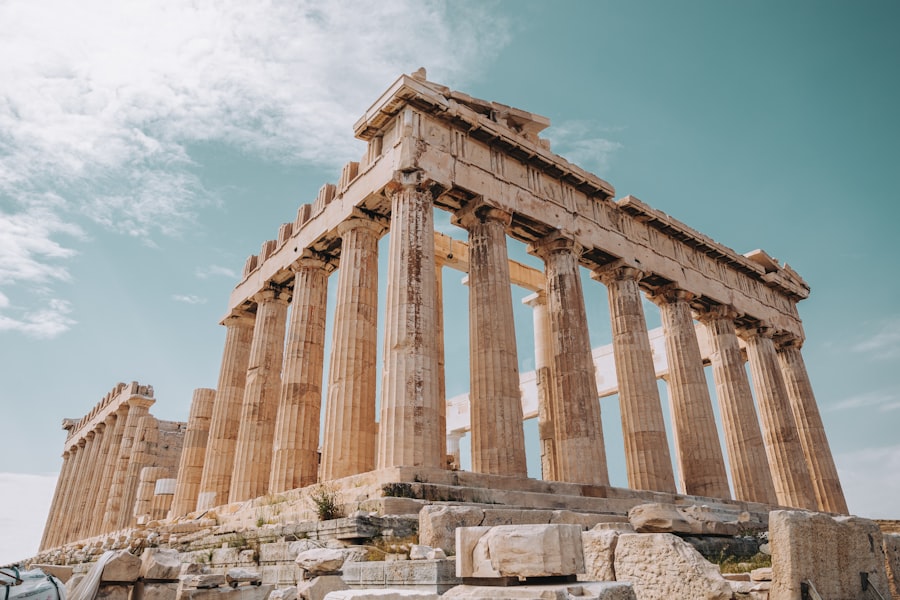
This is a phenomenal time for cultural exploration and road trips. I love wandering through ancient ruins like Knossos in Crete or the sites around Athens without the summer rush. The cities are vibrant but not overwhelmed. It’s also harvest season, so you can witness olive oil production or wine making, and sample the freshest local produce. Some of the smaller, more remote islands might start to reduce their ferry services or close some businesses towards the end of the month, but the main islands and the mainland remain very accessible. I always pack a light jacket for the evenings, as they can get a little chilly.
November: Quiet Reflection
November sees temperatures cool further, typically ranging from 12-18°C (54-64°F), and the likelihood of rain increases, particularly towards the end of the month. This is firmly off-season, and many island businesses will have closed for the winter. However, for a specific type of traveler, November can be incredibly rewarding.
This is the time I choose if I want a truly peaceful and contemplative trip. Athens and Thessaloniki remain vibrant and offer plenty of cultural activities, museums, and excellent dining. It’s an ideal time for city breaks, focusing on history, art, and local life without any tourist-centric distractions. The Peloponnese region is also wonderful in November, with its stunning mountain villages and historical sites bathed in soft autumnal light. I cherish the quiet walks through ancient Olympia or Mystras, feeling a profound connection to the past. Just be prepared for cooler, potentially wetter weather, and a much quieter pace of life, especially outside the main cities.
Winter: Ancient Wonders and Festive Charm (December – February)
Winter in Greece is often overlooked by tourists heading straight for sun and sea, but it offers a unique and surprisingly charming experience. While you won’t be swimming in the Aegean, you’ll discover a different side of Greece: ancient sites without the crowds, vibrant city life, and even skiing opportunities.
December: Festive Flavors
December in Greece brings cooler temperatures, averaging 8-14°C (46-57°F), and an increased chance of rain. However, the cities, especially Athens and Thessaloniki, come alive with festive decorations and a cozy atmosphere. Christmas markets appear, and the general mood is celebratory.
I find December to be a wonderful time for exploring cities and the mainland. Imagine wandering through the ancient Agora in Athens on a crisp winter morning, almost having the place to yourself, before warming up with a good coffee or a hearty meal in a traditional taverna. Museums are wonderfully uncrowded, allowing me to linger over exhibits. While most island resorts are closed, major ferry routes still operate, connecting larger islands where year-round life continues. This is also the beginning of the ski season in Greece’s mountainous regions like Mount Parnassus, offering a completely different kind of Greek holiday. I always pack warm clothes, including waterproofs, but the occasional sunny winter day can be truly glorious.
January: Crisp Quiet
January is typically the coldest month in Greece, with average temperatures ranging from 5-10°C (41-50°F), and snowfall is not uncommon in mountainous areas and even occasionally in Athens. This is definitely off-season, and many tourist-focused businesses will be closed.
However, this quiet period can be magical for a specific type of travel. If you’re interested in truly immersing yourself in local life, focusing on Greek history and culture, and enjoying the country’s delicious winter cuisine (think hearty stews and warming drinks), then January is perfect. I’ve enjoyed incredibly insightful visits to archaeological sites during this month, often with just a handful of other people. It’s a great time for photography, capturing the dramatic landscapes and ancient ruins under crisp, clear skies. Prepare for winter weather, but also for a uniquely authentic Greek experience that few tourists ever see.
February: Hint of Spring
February is still winter in Greece, with average temperatures similar to January (around 5-12°C or 41-54°F), but I start to feel the first hints of spring in the air. The days are noticeably longer, and as the month progresses, sunny days become more frequent. Light rains are still common.
For me, February is excellent for city breaks, and a great time to visit historical sites like Delphi or Meteora on the mainland, which are stunning under a dusting of snow or against a dramatic winter sky. The absence of crowds is a huge bonus, allowing for deep exploration. Again, the islands are very quiet, but if you’re looking for a peaceful retreat in a smaller village on a larger island like Crete, where year-round communities exist, it can be wonderfully serene. It’s a time for cozy tavernas, long walks, and absorbing the local rhythms before the tourist season begins to ramp up again.
Ultimately, the best time to visit Greece truly depends on what you seek from your holiday. For me, the shoulder seasons of spring and early autumn offer the perfect blend of pleasant weather, fewer crowds, and the opportunity to experience both the natural beauty and rich culture of this incredible country. But honestly, no matter when you decide to go, Greece has a way of captivating your heart. Each month presents its own unique charm, promising an experience you won’t soon forget.