How to Plan the Perfect Greek Island Hopping Adventure
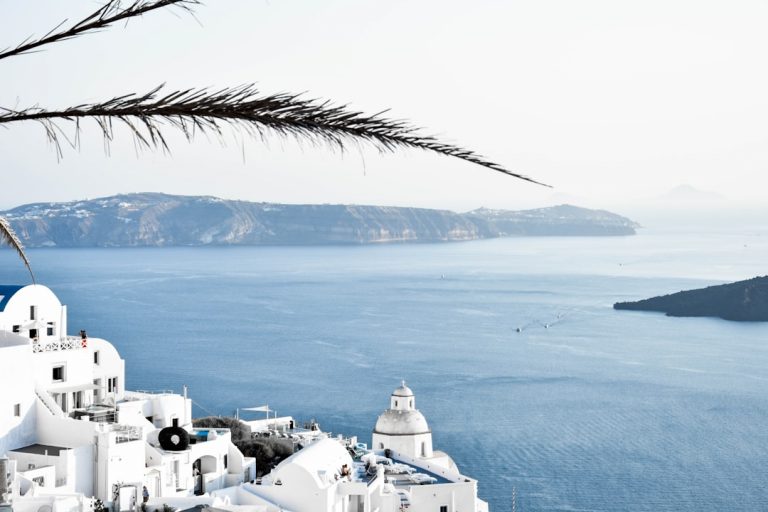
From the moment I first laid eyes on a postcard of Santorini’s iconic caldera, I knew a Greek island-hopping adventure was not just a vacation, but a calling. The azure waters, the whitewashed villages clinging to cliffs, the scent of olive groves and wild herbs – it whispered promises of ancient myths, sun-drenched days, and unforgettable nights. Over the years, I’ve refined my approach, learning from both glorious successes and minor missteps, to craft what I now consider the perfect island-hopping itinerary. This isn’t just about booking ferries; it’s about slow travel, embracing the unexpected, and weaving a tapestry of memories that will last a lifetime.
My first step, and arguably the most enjoyable, is to dream. This isn’t a casual scroll; it’s a deep dive into the heart of what makes each island unique. I don’t just look at Instagram; I read travel blogs, devour documentary series, and even consult ancient history texts. My goal is to understand the soul of an island before I step foot on its shores.
Researching Island Personalities and Offerings
I begin by identifying the different island groups: the Cyclades, the Dodecanese, the Ionian, the North Aegean, and the Sporades. Each has a distinct character. The Cyclades, with their iconic white-and-blue architecture, are where most people start, offering a mix of vibrant nightlife, stunning beaches, and archaeological wonders. The Dodecanese, further east, boast a richer history, influenced by Ottoman and Italian rule, with Rhodes and Patmos being prime examples. The Ionian islands, Lush and green, feel more Italianate, boasting incredible beaches like Navagio on Zakynthos.
I consider what I truly want from this trip. Am I seeking adrenaline-pumping water sports, serene tranquility, archaeological exploration, or a vibrant nightlife? Do I envision long, lazy days on pristine beaches or challenging hikes through rugged landscapes? This self-reflection is crucial because trying to cram all of these into one trip leads to exhaustion, not enlightenment.
For example, if I’m craving a mix of iconic beauty and buzzing energy, I’ll lean towards the Cyclades: Santorini for its dramatic sunsets, Mykonos for its luxurious vibes and party scene (though I usually opt for something slightly more subdued), and Paros or Naxos for excellent beaches and charming towns. If it’s history and a slightly less touristy feel, I might look to Rhodes and Kos in the Dodecanese, or even Patmos for a more spiritual experience.
Balancing Must-Sees and Hidden Gems
While Santorini’s caldera views are undeniably breathtaking, and Mykonos’s wind-powered mills are iconic, I always make sure to weave in some lesser-known islands. This is where the magic truly happens, where I discover authentic tavernas and empty coves. Perhaps a stop on Folegandros for its unspoiled beauty, or Syros for its neoclassical architecture and rich cultural scene.
I create a preliminary list, usually five to seven islands, allowing for a good balance. Going overboard leads to less time experiencing and more time traveling. My rule of thumb is generally at least three nights per island, preferably four or five for larger islands or those where I plan to delve deeper.
If you’re looking to enhance your Greek island hopping adventure, you might find our related article on skincare tips for sunny destinations particularly useful. Protecting your skin while exploring the beautiful islands is essential, and this guide offers valuable insights on how to keep your skin healthy and glowing during your travels. Check it out here: Skincare Tips for Sunny Destinations.
The Logistics Labyrinth: Navigating Ferries, Flights, and Finances
Once I have my wishlist, the practicalities kick in. This phase can be a little overwhelming, but with careful planning, it becomes a smooth process. My goal is to optimize travel time and minimize stress.
Demystifying Ferry Connections and Schedules
The ferry network is the lifeblood of Greek island hopping. I consider both conventional ferries and high-speed catamarans. Conventional ferries are often cheaper, allow for vehicle transport (though I rarely bring one), and offer more space to wander, but they are slower. High-speed ferries are pricier but significantly cut down travel time, crucial when I’m on a tighter schedule.
I use websites like Ferryhopper.com to check routes, schedules, and book tickets in advance, especially during peak season (July and August). It’s vital to remember that schedules can change, so I always double-check closer to my departure date. I also factor in buffer time between ferries, as delays can occur, especially with adverse weather. Missing a connection is a surefire way to dampen spirits.
My strategy often involves grouping islands that are geographically close to each other. For instance, if I’m in the Cyclades, I might go from Mykonos to Paros, then Naxos, and finally Santorini, as these islands typically have frequent routes connecting them. Trying to hop from Zakynthos in the Ionian to Rhodes in the Dodecanese in one go would be a multi-day ordeal involving flights and multiple ferry changes.
Flights vs. Ferries: Optimizing Arrival and Departure
For my initial arrival in Greece, I usually fly into Athens (ATH) or sometimes directly to a larger island with an international airport, like Mykonos (JMK), Santorini (JTR), or Rhodes (RHO), depending on my starting point. If I fly into Athens, I often take a connecting domestic flight to my first island or head straight to Piraeus port for a ferry.
I always weigh the cost and time savings of a domestic flight versus a longer ferry journey. For instance, flying from Athens to Santorini might be quicker and sometimes even comparable in price to a high-speed ferry, especially if I book in advance. However, the ferry journey offers me a chance to relax, see other islands from the deck, and truly feel like I’m embarking on an adventure. For me, it’s about balancing convenience with the overall experience.
Budgeting for Bliss: Accommodation, Food, and Activities
My budget is a fluid entity, but I always have a baseline. Accommodation generally takes the largest chunk. I mix it up: sometimes a boutique hotel, sometimes a charming guesthouse, and occasionally, if I’m feeling adventurous, a hostel. Booking in advance saves money and secures preferred locations, especially on popular islands.
Food is another significant expense, but one I relish. I always seek out local tavernas, away from the tourist traps, where the food is authentic, delicious, and often more affordable. I factor in a mix of fancy dinners, casual lunches, and delightful bakery treats. Groceries for breakfast and snacks can also cut down costs.
Activities, such as boat trips, archaeological site entries, or cooking classes, get a dedicated budget. I prioritize experiences over souvenirs, opting for memories rather than trinkets. Moreover, I always build in a contingency fund for unexpected expenses or spontaneous splurges. A travel credit card with no foreign transaction fees is a must-have for me, and I always carry some euros for smaller purchases or places that don’t accept cards.
Settling In & Savoring the Island Life: Beyond the Tourist Trail
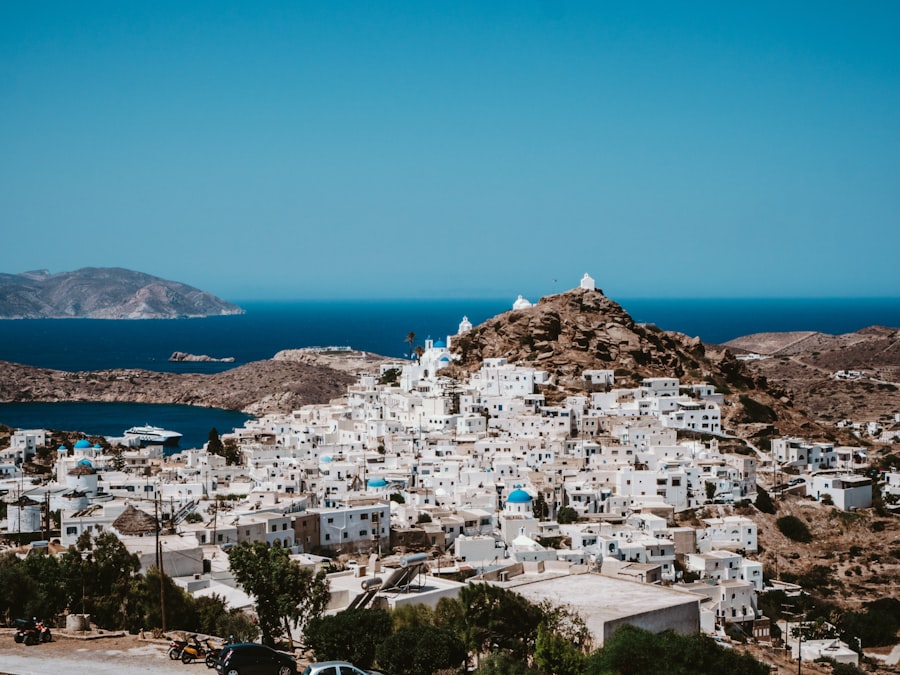
Once I arrive on an island, my goal is to truly immerse myself. I resist the urge to rush and instead embrace the slower pace of Greek island life. This is where the magic of “siga siga” (slowly, slowly) truly unfolds.
Choosing My Island Base: Port vs. Inland Village
When selecting accommodation, I meticulously consider its location. Do I want to be near the bustling port, with easy access to ferries and restaurants? Or do I prefer a quieter inland village, offering a more authentic experience? Each has its merits.
Near the port (Chora or main town): This offers convenience for arrival/departure, a wider selection of shops and restaurants, and often a lively atmosphere. However, it can also be noisier and sometimes pricier.
Inland/Coastal villages: These often provide a more serene and authentic experience. I might sacrifice some convenience for breathtaking views, local charm, and a sense of disconnection from the tourist throngs. This is where I find those hidden tavernas and interact more with locals.
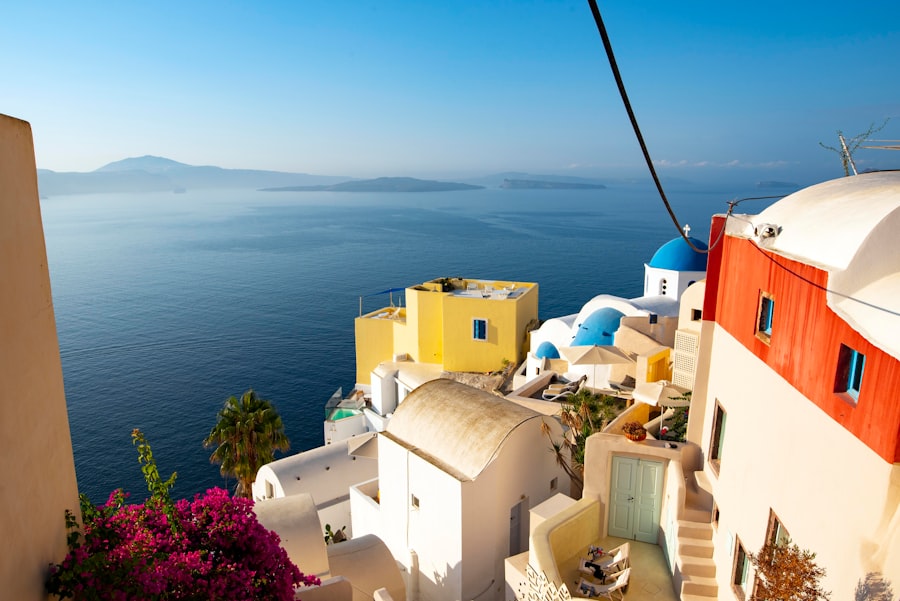
My preference often leans towards a slightly offset location – close enough to the action but away from the immediate hustle and bustle. For example, in Santorini, instead of staying directly in Oia or Fira, I might choose Imerovigli for a quieter caldera view or Pyrgos for a more traditional village feel.
Embracing Local Transportation and Exploring
Renting a car, scooter, or ATV gives me the freedom to explore at my own pace. On smaller islands like Folegandros or Koufonisia, a scooter is often sufficient. On larger islands like Naxos or Rhodes, a car allows for more extensive exploration. I always ensure I have the necessary international driving permit.
However, I also love to rely on local buses. They are an economical way to get around, offering a glimpse into local life. Walking, too, is a significant part of my island experience. Discovering hidden paths, strolling through ancient towns, and simply wandering aimlessly often lead to the most delightful discoveries.
I make it a point to venture beyond the main tourist areas. I seek out remote beaches, small churches tucked away in olive groves, and traditional kafenions where I can sip a frappe and watch the world go by. These are the moments that truly define an authentic travel experience for me.
Culinary Journeys: From Tavernas to Home-Cooked Delights
Food is central to Greek culture and my travel experience. I make it a mission to sample local specialties on each island. On Naxos, it’s the famous Naxian potatoes and graviera cheese. On Santorini, fava and cherry tomatoes. On Rhodes, pitaroudia (chickpea fritters).
I seek out family-run tavernas where the grandmother’s recipes are still used. I ask for recommendations from locals – hotel staff, shopkeepers, or even fellow travelers. I’m not afraid to point at what someone else is eating if it looks delicious!
I also love visiting local markets to buy fresh produce, local cheeses, olives, and herbs. Sometimes, if I have accommodation with a kitchenette, I’ll even attempt a simple Greek meal myself, bringing a piece of the island’s culinary soul back to my temporary home. Trying a cooking class is also a fantastic way to delve deeper into Greek gastronomy.
Unplugging and Immersing: The Heart of the Adventure
The ultimate goal of my island-hopping adventure is to disconnect from the daily grind and fully immerse myself in the present moment. This requires a conscious effort to put away the phone and open my senses to the beauty around me.
The Art of the Beach Day: From Secluded Coves to Bustling Sands
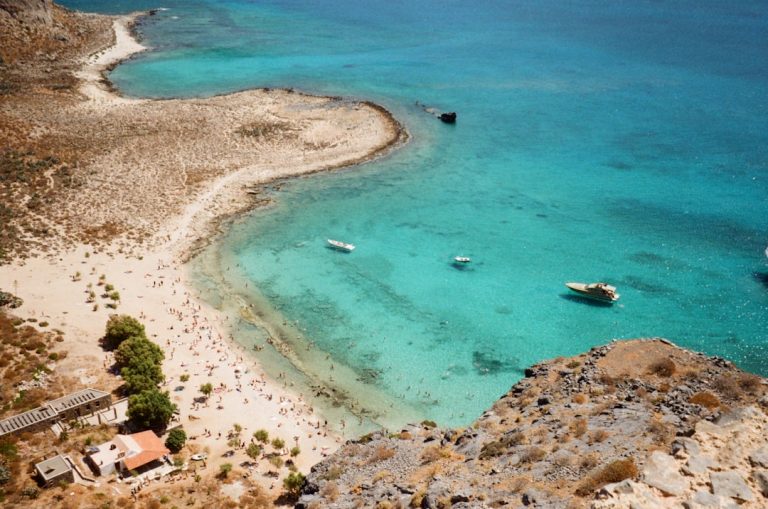
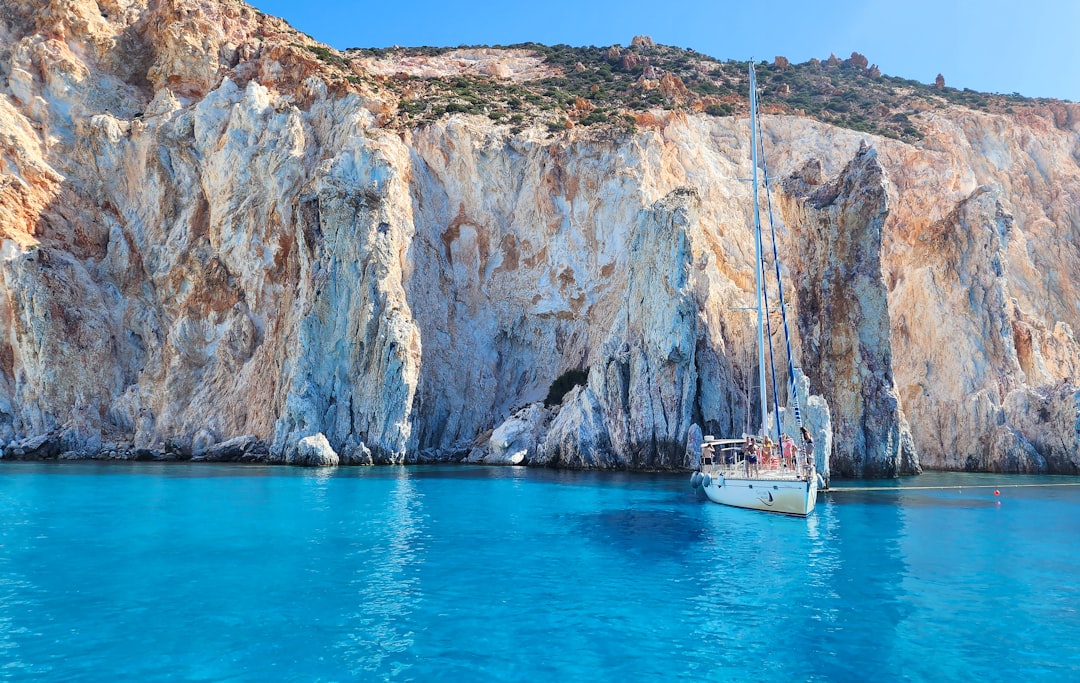
Greece offers an incredible array of beaches, and I make it a point to experience different types. Some days, I crave the lively atmosphere of a beach bar with music and sun loungers. Other days, I seek out secluded coves, accessible only by foot or a small boat, where I can enjoy the tranquility and crystal-clear waters in solitude.
I always pack a good book, sun protection, a snorkel and mask, and plenty of water. I embrace the rhythm of the beach day: mornings for swimming and exploring, afternoons for napping under a tamarisk tree, and late afternoons for watching the sunset paint the sky in fiery hues.
Beyond the Beach: Cultural and Historical Explorations
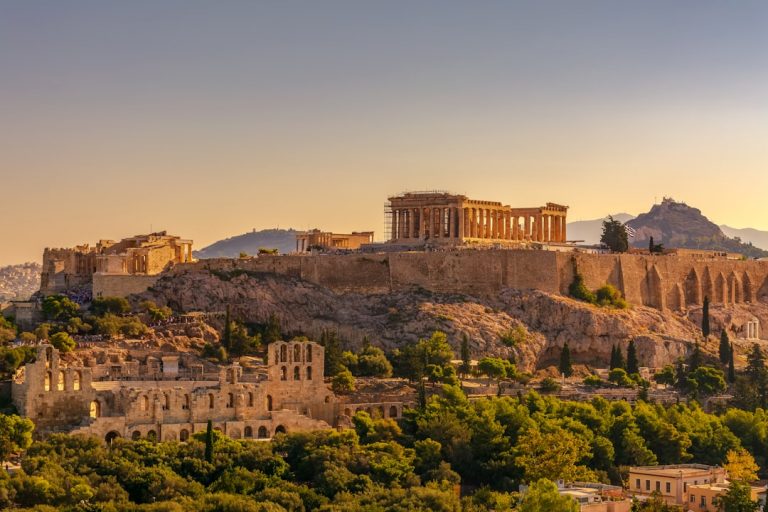
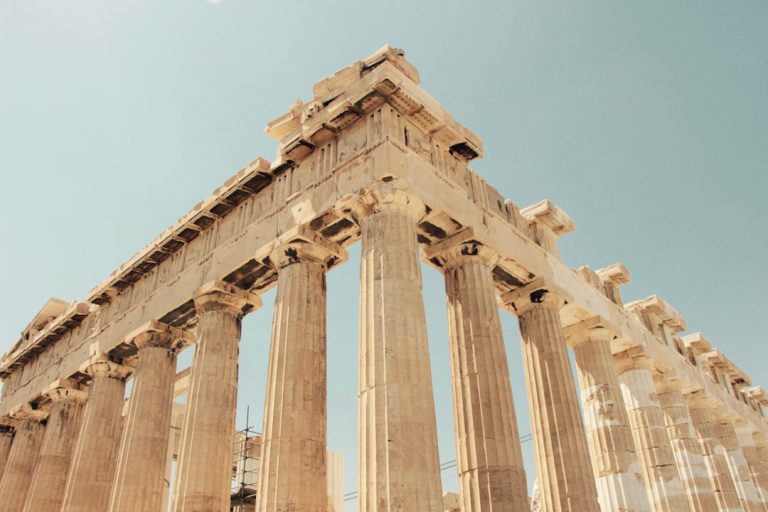
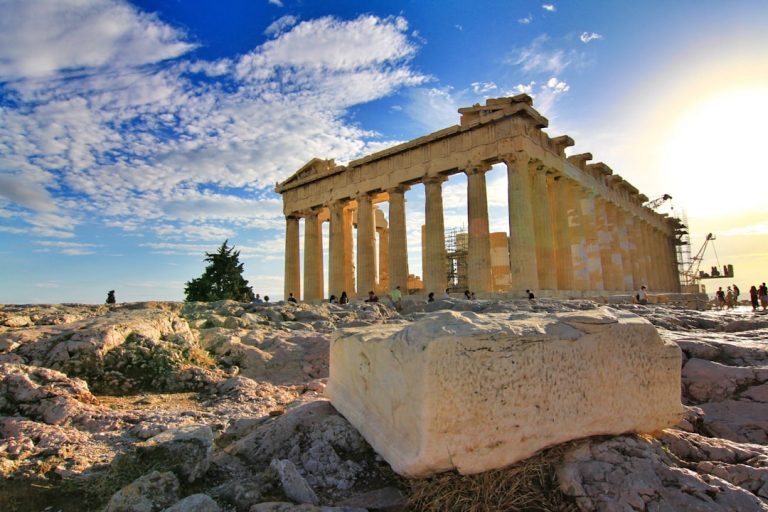
While beaches are undeniably a draw, Greece is a treasure trove of ancient history and vibrant culture. I allocate time for exploring archaeological sites, visiting museums, and wandering through ancient ruins. Whether it’s the Akrotiri archaeological site on Santorini, the Palace of the Grand Master on Rhodes, or the ancient theater on Milos, these sites offer a profound connection to the past.
I also seek out local festivals, religious celebrations, or even just a traditional music night in a charming village. These experiences offer a deeper understanding and appreciation of Greek life beyond the tourist veneer. I make sure to leave some unplanned time for spontaneous discoveries, those little moments that become cherished memories.
Embracing the Flow: Accepting Delays and Detours
Island hopping, by its very nature, involves a degree of unpredictability. Ferries can be delayed due to weather, buses can run late, or a spontaneous invitation from a local might completely alter my day’s plan. I’ve learned to embrace these moments rather than fight against them.
My philosophy is that these detours often lead to the most memorable experiences. A delayed ferry might mean I discover a charming café I wouldn’t have otherwise found. A last-minute change of plans might lead to a breathtaking sunset view from an unexpected vantage point. Flexibility is key to an enjoyable island-hopping adventure. I remind myself that this isn’t a race; it’s a journey of discovery.
If you’re dreaming of a sun-soaked getaway, planning the perfect Greek island hopping adventure can be an exhilarating experience. To enhance your travel knowledge, you might find it helpful to explore related destinations, such as Croatia, which offers its own stunning islands and rich cultural experiences. For more insights on this beautiful region, check out this informative article on Croatia, where you can discover tips on navigating its picturesque coastlines and vibrant towns.
Reflecting and Re-entry: Bringing the Greek Spirit Home
As my island-hopping adventure draws to a close, I consciously take time to reflect on the experiences I’ve had and to prepare for the return to daily life, while holding onto the magic of Greece.
Journaling and Photography: Capturing Memories
Throughout my trip, I keep a small travel journal, jotting down thoughts, observations, funny anecdotes, and new words I’ve learned. It’s not just about recalling facts, but about preserving the emotions and sensations of each moment. My camera is also a constant companion, but I make sure to put it down and simply be in the moment as well. The best photos are often taken after I’ve truly absorbed the scene.
I also make sure to buy a few small, authentic souvenirs. Not mass-produced trinkets, but items that genuinely remind me of a specific island: a jar of local honey, handcrafted pottery, or a bottle of olive oil. These are tactile reminders of my journey.
Easing Back into Reality: The Post-Trip Blues
The return home can sometimes be a jarring experience after weeks of sun, sea, and Greek hospitality. I anticipate these “post-trip blues” and plan for a gentle re-entry. I try not to schedule anything too demanding immediately after returning.
Instead, I spend time looking through my photos, listening to Greek music, and perhaps even attempting to recreate a favourite Greek dish. I share my stories with friends and family, reliving the adventure through narration. By consciously engaging with my memories, I find that the spirit of my Greek island adventure lingers much longer, enriching my everyday life.
My Greek island-hopping adventure is never truly over; it lives on in my memories, in the warmth of the sun on my skin, and in the whisper of the Aegean Sea. Each trip is a new chapter in an ongoing love affair with this magical corner of the world. And as I begin to dream of my next Greek odyssey, I know the planning, the anticipation, and the journey itself will be just as rewarding as the last.