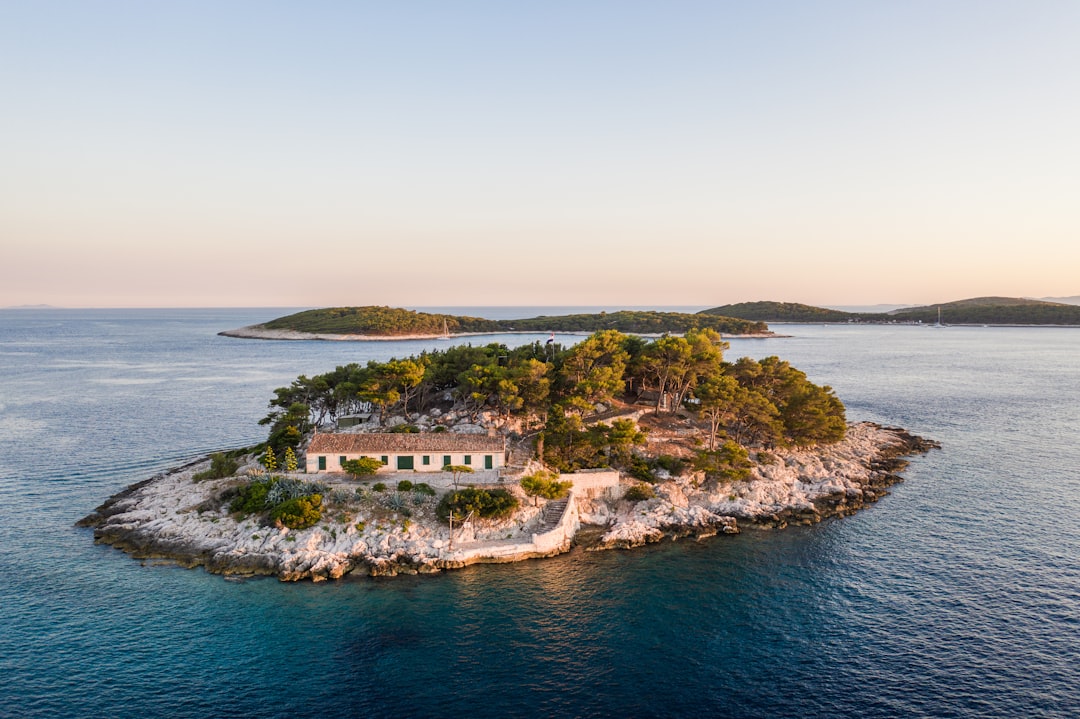
Croatia Island Hopping Guide: The Best Islands to Explore
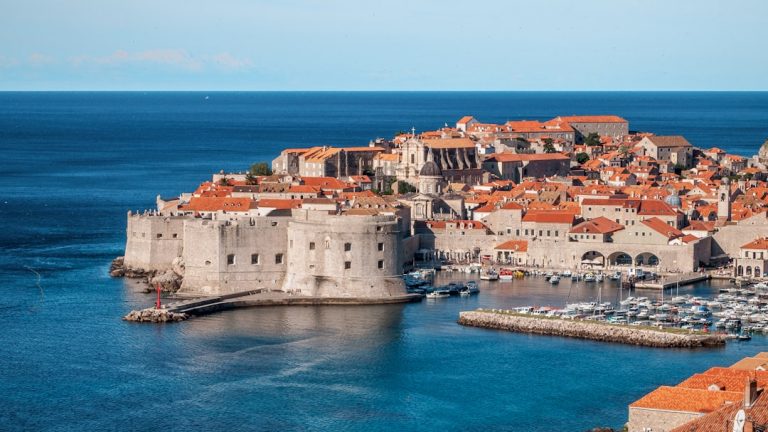
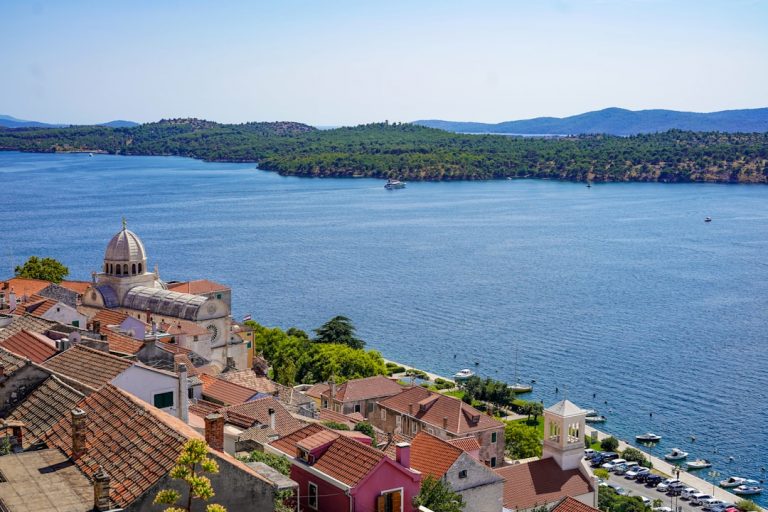
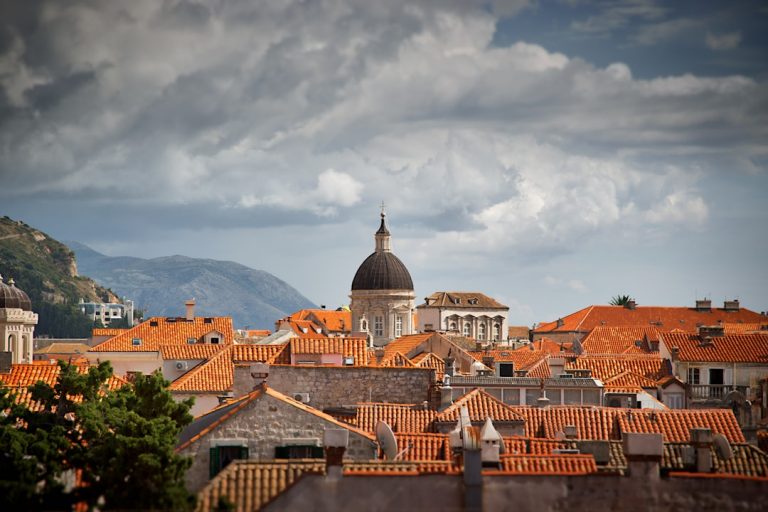
When I first dreamt of Croatia, I pictured ancient walled cities, azure waters, and endless sunshine. Little did I know, the real magic lay in its archipelago – over a thousand islands, each a unique jewel waiting to be discovered. Island hopping in Croatia quickly became more than just a vacation idea; it became an obsession, a journey I knew I had to undertake. I wanted to feel the salty breeze, taste the local wines, and lose myself in the timeless beauty of the Adriatic.
Before I even booked my first flight, I spent countless hours poring over maps and travel blogs. The sheer number of islands was exhilarating, yet slightly overwhelming. I knew I couldn’t see them all, so I focused on crafting an itinerary that balanced popular hotspots with some lesser-known gems. My goal was to experience both the vibrant energy and the tranquil solitude Croatia’s islands offer.
Deciding on My Route
My research quickly revealed that there are two main regions for island hopping: the northern Kvarner Gulf and the southern Dalmatian Coast. While both are stunning, I decided to focus on Dalmatia for my first trip, as it boasts some of the most iconic and accessible islands. I imagined myself sailing through the shimmering waters, stopping at different ports, and immersing myself in the local culture.
Transportation: Ferry or Catamaran?
This was a key decision. I learned that Croatia’s excellent ferry and catamaran network makes island hopping incredibly straightforward. Catamarans are faster and foot-passenger only, perfect for quick transfers between islands. Ferries, on the other hand, accommodate vehicles, allowing for more flexibility if I decided to rent a car on a particular island. For a first-timer like me, I opted for a mix, primarily relying on catamarans for efficiency and leaving the car rental for a potential future trip. I pre-booked some of my tickets, especially for popular routes during peak season, to avoid any last-minute stress.
When to Go
I’m not a fan of massive crowds, so I steered clear of July and August. Instead, I aimed for shoulder seasons – late May/early June or September. This proved to be an excellent choice. The weather was glorious, the sea was warm enough for swimming, and the islands were lively without being overwhelmingly packed. I found better deals on accommodation too, which was a pleasant bonus.
For those looking to enhance their Croatian adventure, a related article that offers insights into exploring the beautiful landscapes and cultural experiences of Poland can be found at Witaj w Polsce. This guide provides a fascinating look at the diverse attractions Poland has to offer, making it a great complement to your island hopping journey in Croatia. Whether you’re interested in historical sites or natural wonders, this article will inspire your next travel plans.
Hvar: The Glamorous Island of Lavender and Limestone
My first major stop was Hvar, an island I’d heard so much about. It’s often dubbed the “St. Tropez of Croatia,” and I was eager to see if it lived up to the hype. As my catamaran pulled into Hvar Town’s harbor, I was immediately struck by its Venetian architecture, bustling promenade, and the scent of pine and salt in the air.
Hvar Town: Historic Charm and Nightlife
Hvar Town is undoubtedly the island’s star. I spent my first afternoon simply wandering its marble streets, getting lost in the labyrinthine alleys, and admiring the elegant squares. The main square, St. Stephen’s Square, with its magnificent cathedral, is a hub of activity. I climbed up to the Španjola Fortress, or Fortica, for breathtaking panoramic views of the town, the Pakleni Islands, and the sparkling Adriatic. Watching the sunset from up there was a truly magical experience. At night, Hvar transforms. The waterfront bars come alive with music and laughter, offering a sophisticated yet lively atmosphere. While it can be pricier than other islands, I found charming restaurants tucked away in side streets that offered delicious local cuisine at reasonable prices.
Exploring the Lavender Fields of Hvar
One of the things Hvar is famous for is its lavender. Although I visited after the main bloom, I still saw vast fields of dried lavender, and the scent lingered pleasantly. I drove (or rather, hitched a ride with a friendly local) to the island’s interior, past picturesque stone villages like Vrboska and Jelsa, which offered a more authentic, tranquil side of Hvar away from the hustle and bustle of the main town. The winding roads, framed by olive groves and vineyards, were a stark contrast to the lively coast.
Pakleni Islands: A Day Trip Paradise
No trip to Hvar is complete without a boat trip to the Pakleni Islands. This archipelago of fourteen islets just off Hvar Town is a paradise for swimming, sunbathing, and snorkeling. I rented a small boat with a few fellow travelers and spent the day hopping between secluded coves and vibrant beach clubs. My favorite stop was surely Palmižana, with its sandy beach, lush botanical garden, and excellent seafood restaurants. The crystal-clear water was irresistible – I jumped in every chance I got.
Korčula: The “Little Dubrovnik” with a Rich Heritage
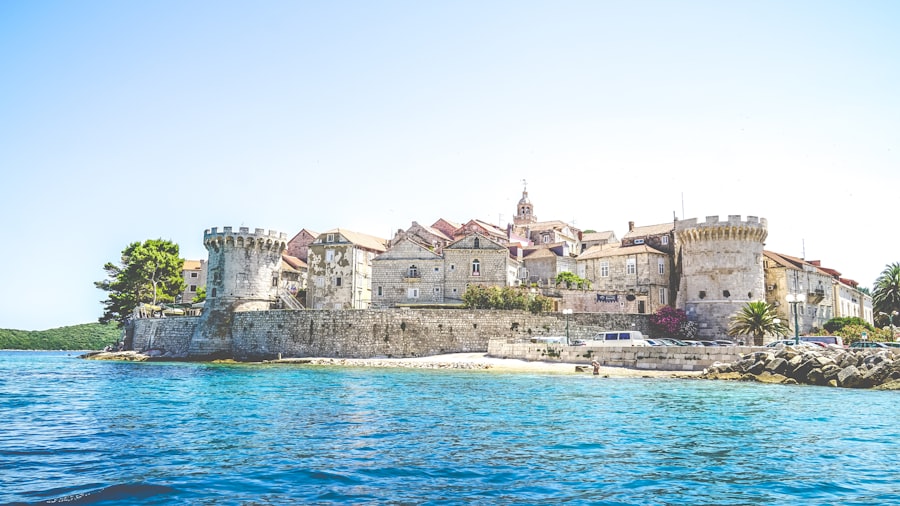
From Hvar, I took a catamaran to Korčula, an island known for its dense forests, charming old town, and as the alleged birthplace of Marco Polo. As I approached Korčula Town, its fortified walls rising majestically from the sea instantly reminded me of a smaller, more intimate Dubrovnik.
Korčula Town: Medieval Beauty
The medieval walled town of Korčula is a delight to explore on foot. Its herringbone street plan, designed to protect against strong winds, is remarkably clever. I spent hours wandering through its narrow cobblestone streets, admiring the ornate architecture, and discovering hidden courtyards. The St. Mark’s Cathedral, with its impressive bell tower, stands proud at the heart of the town, and I climbed to the top for stunning views of the surrounding archipelago. Learning about the legend of Marco Polo’s birth here added an extra layer of intrigue to my exploration. I even visited the small museum dedicated to him, though its authenticity remains a subject of debate!
Mauro Restaurant: A Culinary Highlight
My time in Korčula was also a culinary journey. One evening, I stumbled upon a small, family-run restaurant called Mauro, perched precariously on the city walls with tables overlooking the sea. The fresh seafood, paired with local Pošip wine, was absolutely divine. Watching the sun set over the Pelješac peninsula as I savored my meal was one of those unforgettable moments. I highly recommend seeking out these smaller, traditional eateries for an authentic taste of Dalmatian cuisine.
Pjace and Beaches
Beyond the old town, Korčula offers beautiful beaches and a more relaxed pace of life. I rented a scooter one day and explored the island’s interior, stopping at vineyards and olive groves. Badija, a small island just opposite Korčula Town, is easily accessible by a short boat ride and offers beautiful bay for swimming and a Franciscan monastery. I spent a lazy afternoon there, enjoying the tranquility and the warm embrace of the Adriatic Sea.
Vis: The Unspoiled Gem with a Military Past
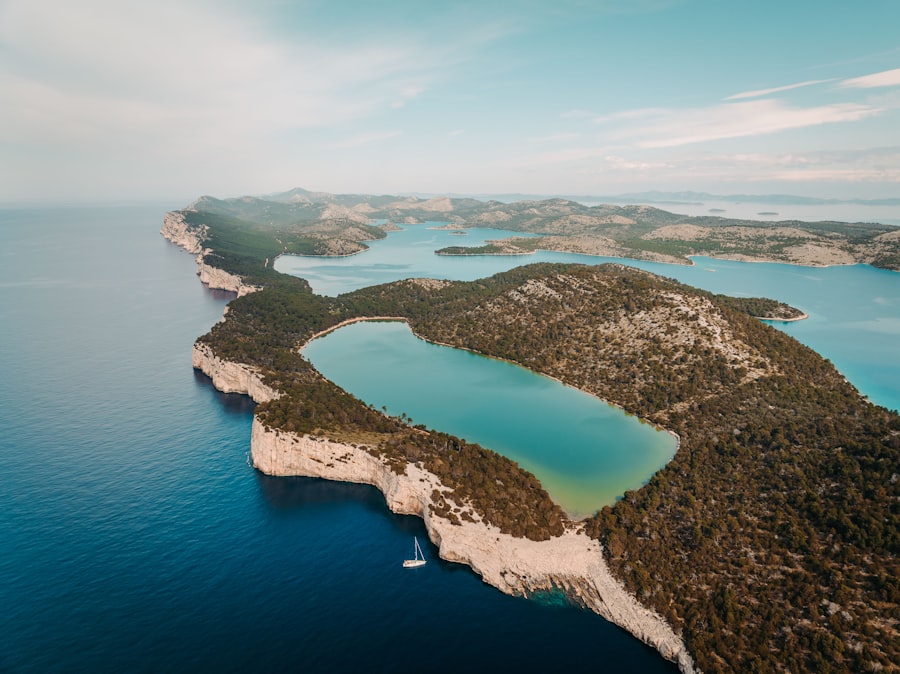
Leaving Korčula, I ventured further off the beaten path to Vis, an island that truly captivated my soul. For decades, Vis was a Yugoslav military base, closed off to foreign visitors. This isolation has preserved its natural beauty and authentic charm, making it a truly unique destination.
Vis Town and Komiža: Charming Harbors
Vis has two main towns: Vis Town and Komiža. Vis Town, where my ferry docked, is home to ancient Roman ruins, charming promenades, and plenty of excellent tavernas. I enjoyed exploring its relaxed atmosphere and watching the local fishermen go about their daily routines. Komiža, on the other side of the island, is a picturesque fishing village nestled under the steep slopes of Mount Hum. Its vibrant houses, narrow streets, and traditional wooden boats (falkuša) give it a distinct character. I found myself drawn to Komiža’s laid-back vibe and spent a pleasant afternoon sipping coffee by the harbor, soaking in the local life.
The Blue Cave (Modra Špilja): A Natural Wonder
The absolute highlight of my trip to Vis was a visit to the Blue Cave on the nearby island of Biševo. This natural sea cave is famous for its ethereal blue light, created by sunlight entering through an underwater opening and reflecting off the white seafloor. I embarked on a small boat tour, and as we entered the cave through a narrow opening, the interior glowed with an otherworldly azure hue. It was a truly mesmerizing experience, one of those natural wonders that leave you speechless. I was, however, careful to check the weather conditions beforehand, as the cave is only accessible on calm days.
Military Remnants and Secluded Coves
Vis’s military past adds another layer to its intrigue. I explored some of the abandoned bunkers and tunnels, a stark reminder of its strategic importance. The island also boasts some of the most beautiful and secluded beaches. Stiniva Cove, often ranked among Europe’s best beaches, is a must-see, although reaching it requires a bit of a hike or a boat. Its dramatic cliffs forming a narrow entrance to a pebble beach make it incredibly picturesque. I reveled in the feeling of discovering these hidden gems, far from the tourist crowds.
If you’re planning your adventure through Croatia’s stunning islands, you might also be interested in discovering local cultural events that enhance your travel experience. One such event is the Harmony in the Park festival, which celebrates community through music and arts. You can find more information about this vibrant festival in this article here. Exploring the islands while immersing yourself in local traditions can truly make your trip unforgettable.
Brač: Home of Zlatni Rat and Adriatic Marble
My penultimate island stop was Brač, the largest of the Dalmatian islands and easily accessible from Split. Brač is known for its exquisite white marble, used in buildings worldwide, including the White House in Washington D.C., and, of course, its iconic Zlatni Rat beach.
Bol and Zlatni Rat Beach: Iconic Beauty
I based myself in Bol, a charming town on the southern coast of Brač. Bol is the gateway to Zlatni Rat, or the Golden Horn, a natural phenomenon where a golden pebble beach extends like a tongue into the Adriatic Sea, constantly changing shape with the currents and winds. I spent an entire day there, marveling at its unique form and enjoying the warm, clear waters. It’s a fantastic spot for sunbathing, swimming, and various water sports. I tried paddleboarding for the first time, and the views back towards the island were stunning. While it can get busy, Zlatni Rat is undeniably beautiful and lived up to its reputation.
Exploring the Villages of Brač
Beyond Zlatni Rat, Brač offers a rugged beauty and traditional charm. I rented a car for a day to explore the island’s interior. My first stop was Pučišća, a picturesque village nestled in a deep fjord, renowned for its stone masonry school. Watching the students work with the famous Brač marble was fascinating. I also visited Škrip, the oldest settlement on the island, home to an olive oil museum and stunning views. The tranquility of these inland villages provided a wonderful contrast to the bustling coastal towns. I loved driving through the olive groves and vineyards, stopping at roadside stands to buy local produce and honey.
If you’re planning an unforgettable adventure through Croatia’s stunning islands, you might also find it helpful to read about the various decision-making tips for travelers in a related article. This resource can provide insights on how to choose the best islands to visit based on your interests and preferences. For more information, check out the article on travel decisions here.
Korčula: My Unexpected Favorite and Return
Yes, I know I already mentioned Korčula! But as my final island stop, I returned to Korčula. My initial visit had been too short, and I felt I had only scratched the surface of its charm. This time, I settled into a guesthouse outside the main town, aiming for a more relaxed and immersive experience.
Wine Tasting in Lumbarda
One of the highlights of my second visit was exploring the wine region of Lumbarda, just a short bus ride from Korčula Town. Lumbarda is famous for its Grk grape, an ancient white grape variety grown almost exclusively in this area. I visited one of the family-run vineyards, Bire Winery, where I was given a tour of their cellars and sampled their delicious Grk wine. Accompanied by local cheese and olives, it was a delightful sensory experience, and I learned so much about the island’s winemaking traditions. The passion of the winemakers for their craft was truly inspiring.
More Beach Time: Pupnatska Luka
I also sought out more secluded beaches on my return to Korčula. Pupnatska Luka, a stunning cove with turquoise waters and white pebbles, quickly became my favorite. It’s a bit off the beaten path, requiring a drive down a winding dirt road, but the reward is immense. I spent hours swimming in the unbelievably clear water, simply enjoying the serenity and the natural beauty of the place. It felt like my own private paradise.
Embracing the “Pomalo” Lifestyle
During my extended stay, I truly embraced the Croatian “pomalo” philosophy – a relaxed, slow-paced attitude towards life. I woke up naturally, enjoyed leisurely breakfasts, took long walks, and relished in the simple pleasures. I frequented a small konoba (traditional tavern) where the owner knew my order after the second day. It was in these quiet moments that I felt the deepest connection to the island and its people. My initial plan was to just hop from one island to another, but this return to Korčula allowed me to truly unwind and absorb the essence of island life.
My Final Thoughts on Croatian Island Hopping
As I prepared to leave Croatia, my heart was full. Island hopping had been everything I imagined and more. Each island had offered a distinct flavor, a unique story, and a new set of memories. From the vibrant energy of Hvar to the ancient charm of Korčula, the untouched beauty of Vis, and the iconic landscapes of Brač, I felt I had truly experienced the soul of the Adriatic.
I learned that flexibility is key – sometimes the best experiences come from unexpected detours or spontaneous decisions. I also learned the value of slowing down, savoring the moment, and connecting with locals. Croatia’s islands are not just destinations; they are experiences, stories waiting to be lived. I can already feel the pull to return, to discover more of these magnificent islands, and to once again surrender to the magic of the Adriatic. This journey truly solidified my love for travel and the endless wonders our world holds.