Greece Travel Tips: Everything You Need to Know Before You Go
I’m excited to share all I’ve learned about traveling to Greece, a country that has stolen a piece of my heart with its ancient wonders, vibrant culture, and breathtaking landscapes. Having journeyed through its myriad islands and explored its historical mainland, I’ve gathered a wealth of insights I wish I had known before my first trip. So, if you’re planning your own Greek odyssey, settle in, because I’m about to lay out everything you need to know.
Before I even thought about packing my bags, I knew that careful planning was the bedrock of a smooth and enjoyable Greek adventure. Greece is vast and diverse, offering everything from bustling city life to serene island retreats, and deciding what kind of experience I wanted was my first and most crucial step.
When I Found the Sweet Spot for My Visit
My choice of travel dates significantly impacted my experience. I quickly learned that Greece, like many popular destinations, has distinct high, shoulder, and low seasons, each with its own charm and challenges.
High Season (July & August): The Bustle and the Heat
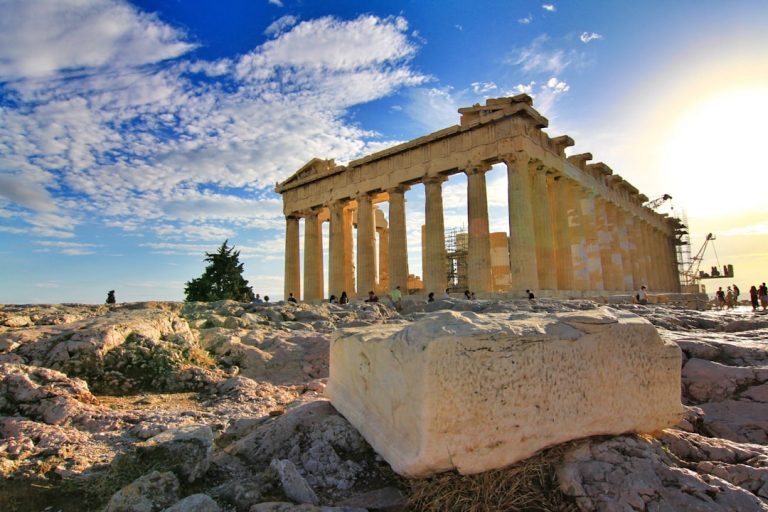
I’ve experienced Greece during the peak summer months, and while the atmosphere was electric with energy, it also came with intense heat and significant crowds. Iconic spots like the Acropolis or Santorini’s Oia were packed, and I found myself sweating through my clothes more often than not. Accommodation prices were at their highest, and I had to book well in advance to secure anything decent. If my priority is vibrant nightlife and guaranteed sunshine, then August might work, but I definitely prefer a less crowded experience.
Shoulder Seasons (April-June & September-October): My Preferred Window
This is my absolute favorite time to visit. I’ve found that the weather in late spring and early autumn is simply divine – warm enough for swimming but mild enough for comfortable sightseeing. The crowds are noticeably thinner, which means I can truly soak in the history at archaeological sites without feeling rushed. Plus, prices for flights and hotels are more reasonable. The sea is wonderfully warm from late May onwards, making it perfect for beach hopping.
Low Season (November-March): A Different Kind of Charm
I’ve also had the chance to visit Greece in the winter, and while many island resorts close down, I discovered a different side of the country. Athens, for instance, felt more authentic, with locals going about their daily lives, and museums were blissfully quiet. It’s not the time for beach holidays, but for cultural immersion, delicious comfort food, and dramatic, moody landscapes, it’s surprisingly rewarding.
Crafting My Itinerary: Island Hopping vs. Mainland Exploration
This was probably the hardest decision I faced, as Greece offers so much. I had to consider my interests, budget, and the amount of time I had.
The Allure of the Islands: Which Ones Called to Me?
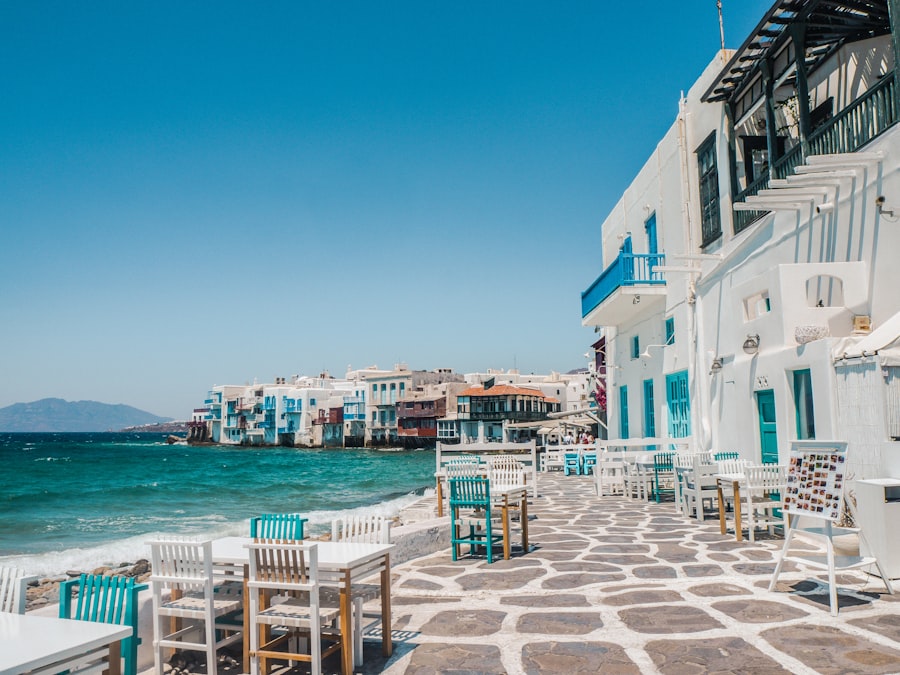
Greece boasts thousands of islands, each with its unique character. On my first trip, I quickly realized I couldn’t see them all, so I focused on a cluster. I personally adore the Cyclades for their iconic white-washed villages and stunning sunsets – Santorini (though very touristy), Mykonos (for its vibrant nightlife), and Paros (a great blend of both). For a more serene and verdant escape, I found the Ionian islands like Corfu and Zakynthos utterly captivating. And for a deeper dive into history combined with beautiful beaches, Crete is unbeatable. I always recommend clustering islands that are relatively close to each other to minimize travel time between them.
Delving into the Mainland’s Historical Riches
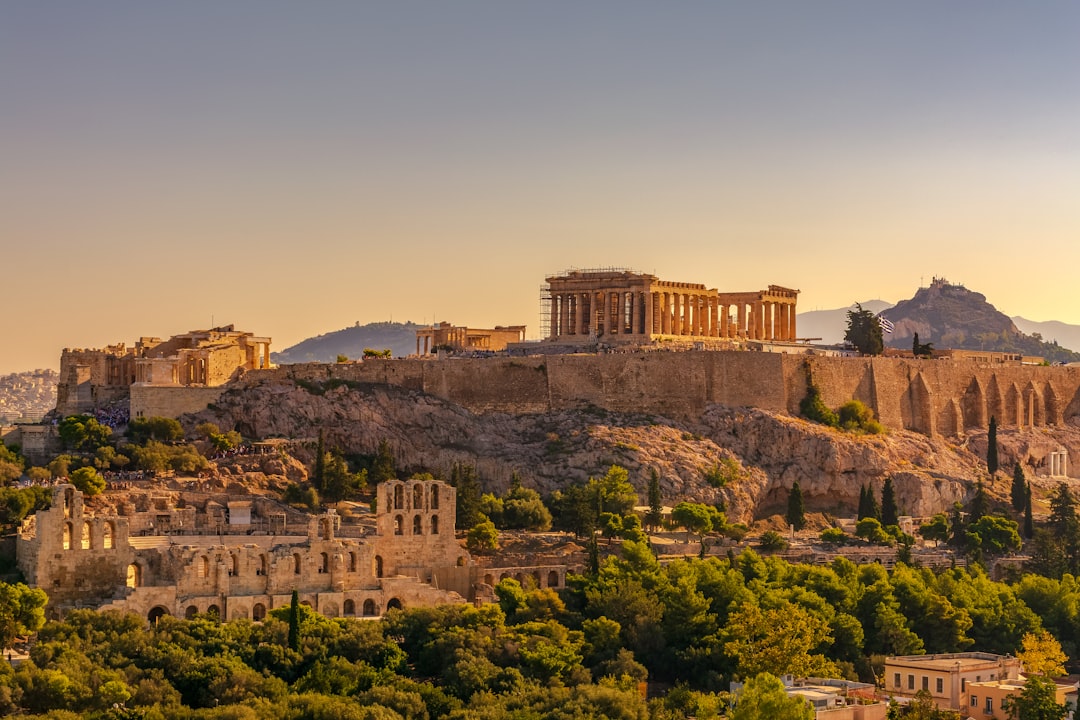
While the islands are iconic, I firmly believe that missing out on mainland Greece would be a huge disservice. Athens, of course, is non-negotiable for its ancient history. I’ve been mesmerized by Delphi’s oracle, awestruck by the monasteries of Meteora perched atop dramatic rock formations, and humbled by the ancient theater of Epidaurus. Incorporating a few days on the mainland provides a fantastic contrast to the island experience and deepens my understanding of Greek civilization.
If you’re planning a trip to Greece and want to ensure you have all the essential information at your fingertips, be sure to check out this insightful article on adventure travel tips. It offers a wealth of advice that complements the Greece Travel Tips: Everything You Need to Know Before You Go. You can find it here: Adventure Travel Tips. This resource will help you make the most of your Greek adventure, from exploring ancient ruins to enjoying the stunning landscapes.
Getting There and Getting Around: My Transportation Survival Guide
Navigating Greece, especially for the first time, can seem daunting, but I’ve found that with a little planning, it’s quite manageable.
Flying In: My Gateway to Greece
My primary entry point has always been Athens International Airport (ATH). It’s a modern, well-connected airport with good public transport links into the city center. I always try to book my international flights to arrive in Athens first, giving myself a day or two to explore the capital before venturing further. For some islands, like Crete or Rhodes, direct international flights are also available, which can be a time-saver if my itinerary is island-focused.
Island Hopping: Ferries and Flights
This is where the real adventure begins! I’ve tried both ferries and domestic flights for inter-island travel, and each has its pros and cons.
Ferry Travel: The Quintessential Greek Experience
I wholeheartedly recommend experiencing a Greek ferry at least once. It’s part of the island-hopping charm. I’ve learned to book my ferry tickets in advance, especially during high season, through websites like Ferryhopper or direct with the ferry companies (Blue Star Ferries, Hellenic Seaways, Seajets). There are different types of ferries – slower, cheaper conventional ferries (which I prefer for longer journeys, allowing me to enjoy the sea air) and faster, more expensive high-speed catamarans (great for shorter hops). Always arrive at the port well in advance, as departures can sometimes be chaotic, especially in peak season.
Domestic Flights: When Time is of the Essence
For longer distances between islands (e.g., Athens to Rhodes or Crete, or between distant island groups), I’ve found domestic flights to be a lifesaver. Aegean Airlines and Sky Express are the main carriers. They save a lot of time, but you do miss out on the scenic journey across the Aegean. I factor in airport transfers and check-in times when calculating whether a flight genuinely saves me time compared to a faster ferry.
Getting Around on the Mainland and Islands
Once I’m at my destination, I consider my options.
Rental Cars: My Go-To for Exploration
For exploring the mainland or larger islands like Crete, Rhodes, or Corfu, renting a car is my preferred method. It offers unparalleled flexibility to discover hidden beaches, charming villages, and archaeological sites off the beaten path. I always book well in advance, especially for automatic transmission cars, and ensure I have an International Driving Permit (IDP) as well as my home country’s license. Be prepared for narrow, winding roads and sometimes aggressive driving, particularly in cities.
Public Transport: Economical and Reliable in Cities
In Athens, I rely heavily on the metro, buses, and trams. They’re efficient, clean, and a cost-effective way to get around. On most islands and in smaller towns on the mainland, local bus services (KTEL) are generally reliable and a good budget option, though their schedules might be less frequent.
Taxis/Ride-Sharing: Convenient but Pricier
Taxis are readily available, especially in tourist areas. I always ensure the meter is running or agree on a price beforehand. Ride-sharing apps like Uber (only truly functional in Athens for licensed taxis) or Free Now (more widespread) are also options, offering transparency with fares.
Where I Slept and What I Ate: Accommodations and Gastronomy
Greece offers a delightful array of choices for both sleeping and eating, and I’ve tried to experience as much of it as possible.
My Approach to Finding the Perfect Stay
I typically choose accommodations based on location, budget, and the kind of experience I’m looking for.
Hotels and Boutique Stays: Comfort and Convenience
From luxurious resorts in Santorini to charming boutique hotels in the Plaka district of Athens, I’ve found that Greece caters to all levels of comfort. I always read recent reviews carefully, paying attention to details like air conditioning (a must for summer visits!), Wi-Fi quality, and proximity to attractions or public transport. Booking directly with the hotel or through reputable sites like Booking.com has served me well.
Airbnb and Guesthouses: Local Charm and Value
For a more authentic experience or if I’m traveling with a group, I often opt for Airbnbs or traditional guesthouses. I’ve stayed in beautiful apartments with caldera views and rustic hillside cottages, giving me a glimpse into local life. Interacting with the hosts has often led to invaluable local recommendations.
Hostels: Budget-Friendly and Social
During my younger, more budget-conscious trips, hostels were my go-to. Athens and many popular islands have excellent hostels that offer a great way to meet fellow travelers while keeping costs down.
Savoring Greek Cuisine: A Culinary Journey
Eating in Greece is an experience in itself, and I’ve never had a bad meal there. My philosophy is to eat where the locals eat.
Tavernas and Psarotavernas: My Daily Ritual
I seek out traditional tavernas for authentic Greek dishes. I look for places with handwritten menus, where the owner might come out to tell you about the daily specials, or where I see many Greek families dining. Psarotavernas specialize in seafood, and there’s nothing quite like fresh grilled octopus or perfectly fried calamari by the sea.
Must-Try Dishes: A Feast for My Senses
I always indulge in classic Greek dishes: a fresh Greek salad (horiatiki) with ripe tomatoes, creamy feta, and Kalamata olives; moussaka (layers of eggplant, minced meat, and béchamel); souvlaki (grilled meat skewers); and gyros (meat cooked on a vertical rotisserie, served in pita). I also adore spanakopita (spinach pie), tiropita (cheese pie), and the rich, sweet baklava. For breakfast, I often enjoy Greek yogurt with honey and nuts.
Coffee Culture and Traditional Beverages
The Greek coffee culture is vibrant. I love starting my day with a traditional Greek coffee or, in warmer months, a refreshing freddo espresso or freddo cappuccino. Ouzo, Greece’s signature anise-flavored aperitif, is often enjoyed with mezze (small plates) in the evenings, and I enjoy a glass of local wine, particularly from volcanic Santorini or the Peloponnese.
Money Matters and Staying Connected: Practicalities for My Trip
Handling finances and staying in touch responsibly has been crucial for a stress-free trip.
Managing My Euros and Budget
Greece uses the Euro (€), and I combine cash with card payments.
Cash vs. Card: My Balanced Approach
While credit and debit cards are widely accepted in larger establishments (hotels, restaurants, supermarkets), I always carry a good amount of cash. Smaller tavernas, cafes, souvenir shops, and certainly local markets often prefer or even require cash payments. Tipping, while not as ingrained as in some other cultures, is appreciated, and usually done in cash by rounding up or leaving a few euros. I always inform my bank about my travel dates to avoid any card freezing issues.
ATMs: Ubiquitous but Wary of Fees
ATMs are readily available throughout Greece. I often withdraw cash from bank-branded ATMs (such as National Bank of Greece, Piraeus Bank, Alpha Bank) as they generally have lower foreign transaction fees compared to independent ATMs often found in tourist areas. I always decline the ATM’s dynamic currency conversion (DCC) option and choose to be charged in Euros, as my bank usually offers a better exchange rate.
Budgeting Guidelines: What I Expect to Pay
Greece can be surprisingly affordable, but it depends heavily on my choices. I budget around €50-€80 per person per day for budget travel (hostels, street food, public transport), €80-€150 for mid-range (boutique hotels, nice restaurants, some tours), and €150+ for luxury (high-end hotels, fine dining, private transfers). Flexibility in my daily spending allows me to splurge on one day and save on another.
Staying Connected: Phones and Wi-Fi
Keeping connected is essential for navigation, reservations, and sharing my adventures.
Local SIM Cards: My Preferred Option
Upon arrival, I often purchase a local Greek SIM card from providers like Vodafone, Cosmote, or Wind (now Nova). They offer excellent value with generous data allowances, ideal for using Google Maps, researching attractions, and staying in touch without relying solely on Wi-Fi. I just need to ensure my phone is unlocked.
Wi-Fi Availability: Generally Good
Most hotels, restaurants, and cafes offer free Wi-Fi. While it’s generally reliable, especially in urban areas, speeds can vary, and it might be patchier in more remote island locations. I don’t rely solely on public Wi-Fi for sensitive transactions.
Chargers and Adapters: Don’t Forget!
Greece uses Type F and Type C power sockets. I always pack a universal travel adapter to ensure I can charge all my devices without issues.
When planning your trip to Greece, it’s essential to consider not just the sights but also the culinary experiences that await you. A related article that can enhance your travel experience is focused on the diverse food culture in Greece. You can explore various local dishes and dining tips by visiting this link. Understanding the flavors and traditions of Greek cuisine will undoubtedly enrich your journey and provide a deeper connection to the local culture.
Respecting Culture and Staying Safe: My Personal Best Practices
My experiences in Greece have taught me the importance of being a respectful and responsible traveler.
Cultural Sensitivity: Embracing Greek Traditions
I’ve learned to appreciate and respect the local customs.
Dress Code for Religious Sites: My Modest Approach
When visiting monasteries or churches, I always dress modestly. This means covering my shoulders and knees. Many sites offer wraps or skirts for loan at the entrance, but I prefer to bring my own scarf or wear appropriate clothing out of respect.
Language Basics: A Little Goes a Long Way
While English is widely spoken in tourist areas, I make an effort to learn a few basic Greek phrases: “Kalimera” (Good morning), “Kalispera” (Good evening), “Efharisto” (Thank you), “Parakalo” (Please/You’re welcome), and “Yiasas” (Hello/Goodbye). Locals genuinely appreciate the effort, and it often leads to warmer interactions.
Siesta Time: Understanding the Rhythm
I’ve noticed that many smaller shops and businesses, especially outside of major tourist hubs, close for a few hours in the afternoon for a siesta, typically between 2 PM and 5 PM. I factor this into my plans, using this time for my own rest, a leisurely meal, or enjoying a quiet beach.
Staying Safe: Prioritizing My Well-Being
Greece is generally a safe country, but like anywhere, common sense and awareness are key.
Protecting My Valuables: Everyday Vigilance
I always keep an eye on my belongings, especially in crowded tourist areas, on public transport, and at markets. I use a cross-body bag for my essentials and avoid flashing expensive items. While petty theft can occur, violent crime is rare.
Health and Wellness: Staying Prepared
I always carry a small first-aid kit with essentials like pain relievers, bandages, and any personal medications. Sunscreen, a hat, and sunglasses are non-negotiable, especially during the summer, to protect against the strong Mediterranean sun. Staying hydrated is also crucial. Tap water is generally safe to drink in most parts of mainland Greece, but on some islands, I stick to bottled water.
Emergency Numbers: Just in Case
I make sure to know the emergency numbers: 112 for general emergencies (police, ambulance, fire), 100 for police, and 166 for an ambulance. While I hope I never have to use them, it’s reassuring to have them readily available.
My journey through Greece has been an accumulation of incredible moments and valuable lessons. By keeping these tips in mind, I feel confident that anyone can have an enriching, enjoyable, and unforgettable Greek adventure, just as I have. Kali taxidi!