
Best places to visit in Spain, what to see, where to go and what to avoid
Discovering Spain: A Journey Through Culture and Landscapes
Spain, a land of fiery flamenco, ancient architecture, and sun-drenched beaches, beckons with an irresistible charm. As you plan your adventure, you’ll find yourself immersed in a tapestry of vibrant cultures, delectable cuisines, and breathtaking landscapes. From the bustling metropolises to the tranquil, whitewashed villages, Spain offers an experience for every type of traveler. This guide will help you navigate the best places to visit, what hidden gems to uncover, and how to make the most of your Spanish sojourn, while also highlighting common pitfalls to avoid.
The Allure of Andalusia: Southern Charms and Moorish Wonders
Your journey through Spain wouldn’t be complete without experiencing the passionate heart of Andalusia. This southern region is a captivating blend of Moorish heritage, Gypsy traditions, and an undeniable zest for life. The warmth of its people, the vibrant colors of its cities, and the haunting melodies of flamenco will undoubtedly leave an indelible mark on your soul.
Seville: The Cradle of Flamenco and Orange Blossoms
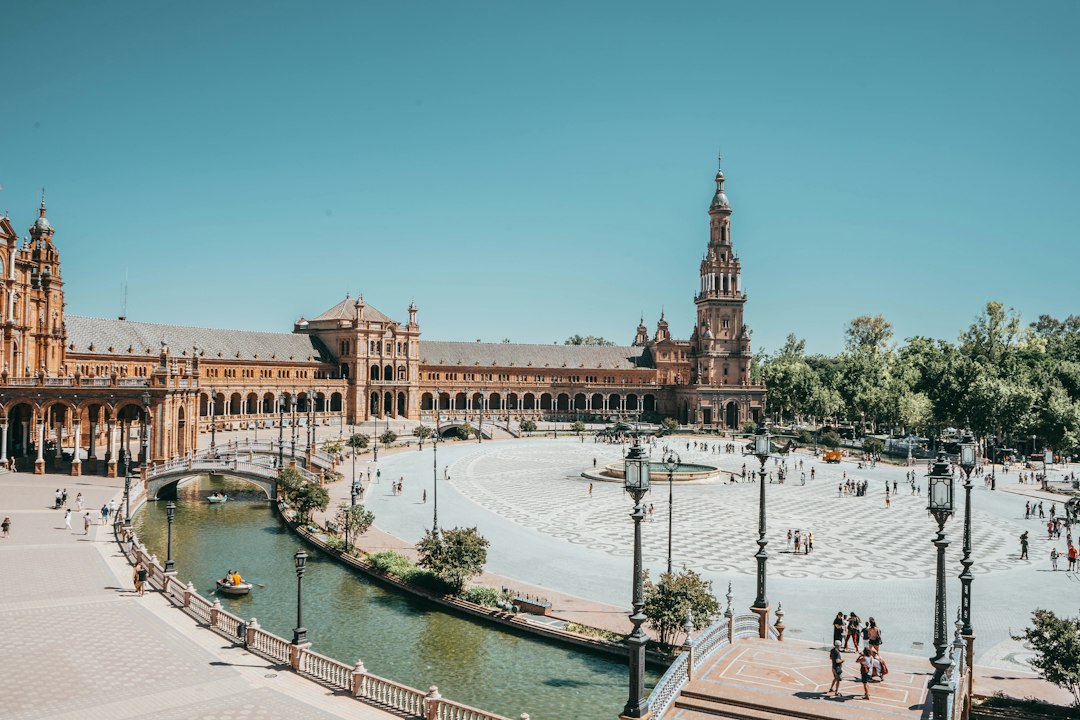
Seville, the capital of Andalusia, is a city that enchants from the moment you arrive. You’ll find yourself wandering through narrow, winding streets that open into sun-drenched plazas, each more charming than the last. The scent of orange blossoms perfumes the air, especially in spring, adding to the city’s romantic ambiance.
Your absolute must-see in Seville is the Real Alcázar, a stunning royal palace showcasing exquisite Mudejar architecture. Prepare to be mesmerized by its intricate tilework, lush gardens, and tranquil courtyards. It’s advisable to book your tickets online well in advance to avoid lengthy queues, as this is one of Seville’s most popular attractions. Just a stone’s throw away, you’ll discover the Seville Cathedral and its Giralda Tower. This colossal Gothic cathedral is a marvel of engineering and artistry, housing the tomb of Christopher Columbus. Climb the Giralda Tower, the former minaret, for panoramic views of the city that are truly unforgettable.
For an authentic cultural experience, seek out a traditional flamenco show. While tourist traps abound, look for smaller, more intimate venues in neighborhoods like Triana. These tablaos often offer a more genuine and passionate performance, where you can truly feel the raw emotion and power of this art form. Avoid places that offer dinner and a show as a package deal; often, the food is mediocre, and the focus is less on the quality of the flamenco. Instead, opt for a show where the focus is purely on the performance, and then enjoy a delicious tapas dinner at a local bar afterward.
Exploring the Barrio Santa Cruz, the old Jewish Quarter, is another highlight. Lose yourself in its labyrinthine alleyways, discover hidden patios, and stumble upon quaint boutiques and tapas bars. This neighborhood is best explored on foot, allowing you to soak in its unique atmosphere at your own pace. When it comes to dining, embrace the tapas culture. Seville is famous for its small plates, and hopping from one bar to another, sampling different specialties, is the quintessential Sevillian experience. Look for bars bustling with locals; this is usually a good indicator of quality and authenticity.
Granada: The Jewel of the Nasrid Dynasty
Nestled at the foot of the Sierra Nevada mountains, Granada possesses a unique allure, dominated by the breathtaking Alhambra. This magnificent Moorish palace and fortress complex is arguably Spain’s most iconic landmark. You’ll need an entire day, or at least a good half-day, to fully appreciate its intricate palaces, tranquil courtyards, and spectacular gardens.
The Nasrid Palaces within the Alhambra are the absolute highlight. Their delicate stucco work, intricate carvings, and serene patios like the Court of the Lions are unparalleled. Booking your tickets months in advance is non-negotiable, especially if you want to secure a slot for the Nasrid Palaces, which have strict entry times. Without a pre-booked ticket, you risk being turned away, and missing the Alhambra would be a travesty. Also, make sure to wear comfortable shoes, as there’s a fair amount of walking involved.
Beyond the Alhambra, you must explore the Albaicín, Granada’s ancient Moorish quarter. This UNESCO World Heritage site is a maze of narrow, cobblestone streets, whitewashed houses, and charming plazas. Head to the Mirador de San Nicolás for the most iconic views of the Alhambra, especially at sunset, when the light paints the ancient walls in warm hues. Be prepared for crowds, though; it’s a popular spot. For a more tranquil but equally stunning view, seek out the Mirador de San Miguel Alto, which offers a higher vantage point. While in the Albaicín, immerse yourself in the local culture by enjoying tapas. Many bars in Granada still offer a free tapa with each drink, making it a budget-friendly way to sample local delicacies.
Another fascinating area is the Sacromonte, known for its cave dwellings and strong Gypsy traditions. You can visit some of these caves, many of which have been converted into homes or flamenco venues. It offers a unique glimpse into a different side of Granada’s cultural heritage. However, be aware that some of the flamenco shows in Sacromonte can be more geared towards tourists; again, research reputable venues if you want an authentic experience.
When planning your trip to Spain, it’s essential to explore not only the best places to visit but also to consider unique experiences that can enhance your journey. For instance, while you’re soaking in the vibrant culture and stunning landscapes, you might want to read about the benefits of cold water therapy, which can be a refreshing addition to your travel routine. Check out this insightful article on cold water therapy and its health benefits to discover how it can boost your wellness while you enjoy the sights and sounds of Spain.
Coastal Charms and Island Escapes: From the Mediterranean to the Atlantic
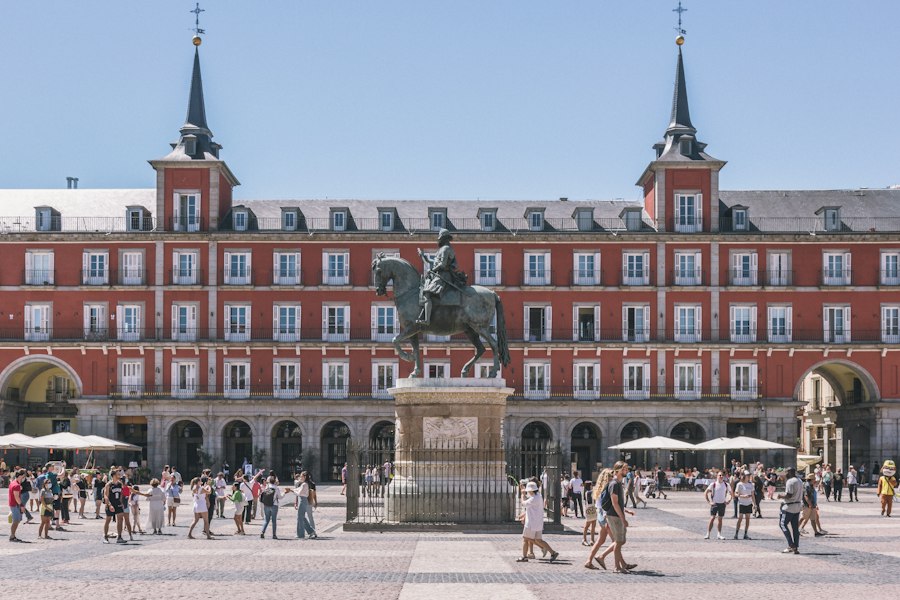
Spain’s extensive coastline and its stunning islands offer a diverse range of experiences, from bustling beach resorts to remote, rugged natural beauty. Whether you seek vibrant nightlife, serene relaxation, or thrilling water sports, you’ll find it here.
The Balearic Islands: Mediterranean Paradise
Off Spain’s eastern coast lie the Balearic Islands – Mallorca, Menorca, Ibiza, and Formentera – each with its own distinct personality. These islands are renowned for their crystal-clear waters, beautiful beaches, and vibrant atmosphere.
Mallorca: Mountains, Beaches, and Capital Chic
Mallorca, the largest of the Balearics, is incredibly diverse. You’ll find yourself captivated by the dramatic Serra de Tramuntana mountains, a UNESCO World Heritage site, with picturesque villages clinging to their slopes. Deià and Valldemossa are particularly charming, with their stone houses, art galleries, and breathtaking views. A scenic drive through these mountains is highly recommended.
The island’s capital, Palma de Mallorca, boasts a magnificent Gothic cathedral, La Seu, that dominates the waterfront. Explore its charming Old Town, wander through its narrow streets, and discover hidden courtyards. Palma also offers excellent shopping, a lively dining scene, and a vibrant cultural calendar.
For beach lovers, Mallorca offers a plethora of options. From the lively sands of Magaluf (which you might want to avoid if you’re not seeking a purely party-focused experience) to the tranquil coves of the north and east, there’s a beach for every preference. Cala d’Or on the east coast is known for its beautiful small coves and family-friendly atmosphere. If you’re looking for something more secluded, explore the numerous calas (coves) that dot the coastline, often accessible only by foot or boat.
When visiting Mallorca, consider renting a car. Public transport is adequate in Palma, but to truly explore the island’s natural beauty and charming villages, a car offers the freedom and flexibility you’ll need. Avoid the peak summer months of July and August if you prefer fewer crowds and slightly cooler temperatures; late spring and early autumn are ideal.
Ibiza: Beyond the Party Scene
While Ibiza is globally famous for its pulsating nightlife and superclubs, there’s a much softer, more authentic side to the island waiting to be discovered. You can easily spend your days exploring its stunning natural beauty and charming villages.
The UNESCO-listed Dalt Vila, Ibiza Town’s historic walled city, is a must-see. Wander through its ancient gates, climb its cobblestone streets, and enjoy panoramic views of the harbor and beyond. It’s a beautiful place to get lost and soak in the island’s history.
Beyond the parties, Ibiza offers countless serene beaches and hidden coves. Cala Comte is famous for its spectacular sunsets, while Cala d’Hort offers stunning views of the mysterious islet of Es Vedrà. For a more bohemian vibe, visit the Hippy Markets at Punta Arabí (Wednesdays) or Las Dalias (Saturdays), where you can find unique crafts, clothing, and live music.
To experience the quieter side of Ibiza, venture north. Villages like Santa Gertrudis offer a glimpse into traditional island life, with charming squares, local restaurants, and a relaxed atmosphere. Consider visiting during the shoulder seasons (May-June, September-October) to enjoy pleasant weather and fewer crowds, allowing you to appreciate both the natural beauty and the more laid-back aspects of the island.
Unveiling Central and Northern Spain: History, Gastronomy, and Green Landscapes
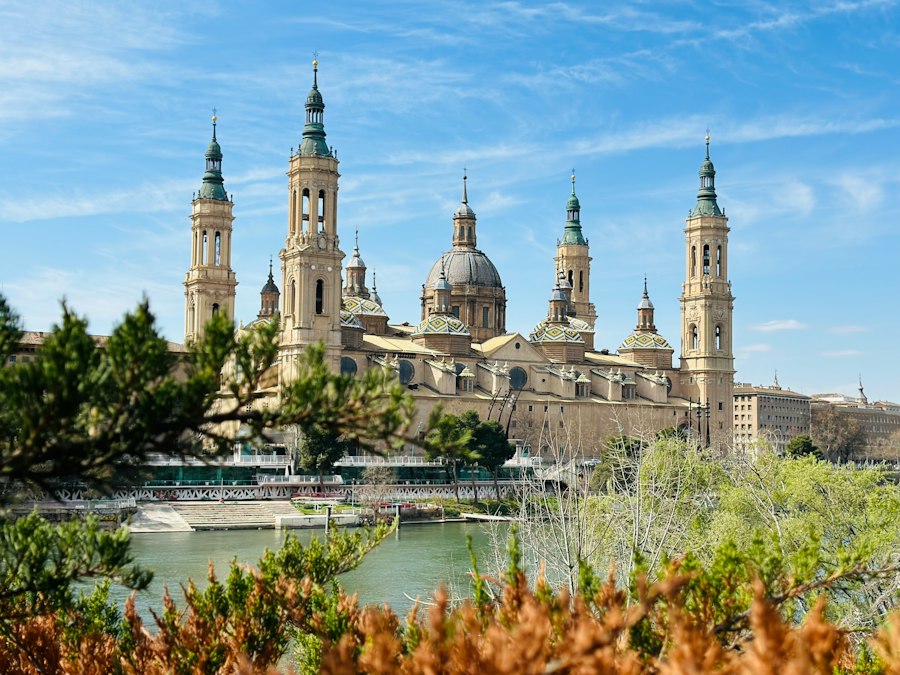
Moving away from the southern heat, you’ll discover a different facet of Spain in its central plateau and the verdant north. Here, ancient cities, world-class museums, and a culinary scene that will tantalize your taste buds await.
Madrid: A Royal Capital with Artistic Flair
As Spain’s vibrant capital, Madrid pulses with energy, offering a wealth of cultural attractions, magnificent parks, and an unparalleled nightlife. You’ll find yourself captivated by its grand boulevards, elegant plazas, and world-renowned art collections.
The Golden Triangle of Art
Madrid is a paradise for art lovers, boasting three of Europe’s most important art museums, collectively known as the “Golden Triangle of Art”:
- Museo del Prado: You must dedicate a substantial portion of your day, if not an entire day, to this monumental museum. It houses an extraordinary collection of European art, with masterpieces by Spanish masters like Goya, Velázquez, and El Greco. Plan your visit by identifying the works you most want to see beforehand to make the most of your time.
- Reina Sofía Museum: Home to modern and contemporary Spanish art, its star attraction is Picasso’s anti-war masterpiece, Guernica. Seeing this powerful work in person is a truly moving experience. The museum also features works by Dalí and Miró.
- Thyssen-Bornemisza Museum: This museum provides a comprehensive overview of Western art history, from the 13th to the late 20th century, beautifully complementing the collections of the Prado and Reina Sofía. It often features excellent temporary exhibitions.
Beyond the museums, take time to explore the Palacio Real (Royal Palace), the official residence of the Spanish Royal Family (though primarily used for state ceremonies). Its opulence and grandeur are impressive, and you can tour many of its lavish rooms. Afterwards, relax in the adjacent Sabatini Gardens or the expansive Parque del Retiro. Retiro Park is Madrid’s green lung, perfect for a leisurely stroll, a rowboat ride on the lake, or simply people-watching.
Madrid’s culinary scene is a delight. You must experience a traditional tapas crawl in neighborhoods like La Latina or Cava Baja. Don’t miss trying bocadillos de calamares (fried calamari sandwiches), a local specialty. For a truly authentic experience, visit the Mercado de San Miguel, an elegant iron-and-glass market where you can sample a huge variety of Spanish delicacies. Be prepared for crowds, especially during peak hours.
When it comes to nightlife, Madrid truly comes alive after dark. Dinner often starts late, around 9 or 10 PM, and bars and clubs stay open until the early hours. Whether you’re looking for a quiet drink or a pulsating discoteca, Madrid has it all.
Barcelona: Catalan Modernism and Coastal Vibrancy
Barcelona, the capital of Catalonia, offers a unique blend of Gothic and Modernist architecture, a vibrant cultural scene, and beautiful urban beaches. You’ll find its energy infectious, its food scene exquisite, and its architectural wonders truly astounding.
Gaudí’s Masterpieces
Your visit to Barcelona would be incomplete without immersing yourself in the fantastical world of Antoni Gaudí. His architectural masterpieces define the city’s unique aesthetic:
- Sagrada Família: This unfinished basilica is Gaudí’s most ambitious project and a truly awe-inspiring sight. Its intricate façades, soaring towers, and light-filled interior will leave you speechless. Book your tickets online well in advance to guarantee entry and choose a specific time slot; queues for walk-ins can be hours long. Consider purchasing a ticket that includes access to one of the towers for incredible city views, but be aware that access is via elevator, and descent is often by a narrow spiral staircase.
- Park Güell: Originally intended as a residential complex, this park is a whimsical wonderland of mosaic-covered structures, quirky sculptures, and panoramic views of the city. While part of the park is free to access, the most iconic areas (Monumental Zone) require a ticket. Again, book online to avoid disappointment.
- Casa Batlló and Casa Milà (La Pedrera): These two Modernist apartment buildings on Passeig de Gràcia are incredible examples of Gaudí’s organic and innovative style. While entry is quite expensive for each, exploring their unique interiors and rooftop terraces offers a fascinating insight into his genius.
Beyond Gaudí, stroll through the Gothic Quarter (Barri Gòtic), the oldest part of the city. Its narrow, winding streets, hidden plazas, and ancient Roman walls transport you back in time. Discover the Barcelona Cathedral, pop into independent boutiques, and enjoy a coffee in a charming square.
For a taste of local life, explore the La Boqueria Market off La Rambla. This vibrant market is a feast for the senses, overflowing with fresh produce, seafood, meats, and delicious tapas stalls. While La Rambla itself is bustling and iconic, be aware that it can be very touristy and prone to pickpockets; keep your belongings secure.
Take a leisurely walk or bike ride along Barcelona’s urban beaches, such as Barceloneta. In the evening, explore the vibrant neighborhoods of Gràcia or El Born for excellent dining options and a lively atmosphere. Barcelona is renowned for its paella and fideuà (a noodle-based paella), as well as a plethora of Catalan specialties.
The Northern Coast: Green Spain and Culinary Excellence
Venturing to Spain’s northern coast, you’ll discover a dramatically different landscape: lush green mountains meeting the rugged Cantabrian Sea. This region is famous for its stunning natural beauty, rich cultural traditions, and a world-class culinary scene, particularly in the Basque Country.
San Sebastián: A Gastronomic Heaven
San Sebastián (Donostia in Basque), nestled on the beautiful Bay of La Concha, is widely considered one of the world’s best food cities. You’ll find yourself indulging in pintxos, the Basque equivalent of tapas, and potentially dining at some of the planet’s most celebrated Michelin-starred restaurants.
Pintxos Culture
Your primary mission in San Sebastián should be to embark on a pintxos crawl. Head to the Parte Vieja (Old Town) where numerous pintxos bars line the streets. Each bar proudly displays an array of culinary delights, from simple skewers of olives and anchovies to intricate miniature gastronomic creations. The tradition is to go from bar to bar, having one or two pintxos and a drink (often txakoli, a sparkling white wine, or cider) at each, before moving on. Don’t be afraid to try everything; it’s an incredibly social and delicious experience. Some highly-regarded bars include La Cuchara de San Telmo for hot pintxos, Gandarias for traditional options, and Bar Nestor for its iconic tortilla de patatas.
Beyond the food, relax on the stunning La Concha Beach, often considered one of Europe’s most beautiful city beaches. Take a stroll along its elegant promenade or even swim in its calm waters. For panoramic views of the city and the bay, take the funicular up Monte Igueldo or hike up Monte Ulia.
The city also boasts a vibrant cultural scene. The San Telmo Museoa offers fascinating insights into Basque culture and history. If you’re visiting in September, you might catch the San Sebastián International Film Festival, attracting stars and filmmakers from around the globe. While San Sebastián is generally more expensive than other parts of Spain, the exceptional quality of the food and the breathtaking surroundings make it a worthwhile splurge.
If you’re planning a trip to Spain and want to explore the best places to visit, you might find it helpful to check out a related article that offers insights into nearby Morocco. This neighboring country boasts a rich cultural heritage and stunning landscapes that complement your Spanish adventure perfectly. For more information on what to see and where to go, as well as tips on what to avoid, you can read about it in this informative guide. Exploring both Spain and Morocco can provide a diverse travel experience filled with unforgettable memories.
What to Avoid and Practical Tips
While Spain offers an abundance of incredible experiences, being aware of common tourist pitfalls and practical considerations will enhance your trip.
Common Tourist Traps and Scams
- Pickpockets in Crowded Areas: Especially in major cities like Barcelona and Madrid, and on busy public transport (e.g., La Rambla, metro), pickpockets are prevalent. You must always be vigilant, keep your bag securely closed and in front of you, and avoid putting wallets in back pockets.
- Overpriced “Authentic” Flamenco/Tapas: Be wary of restaurants and shows that aggressively solicit tourists, especially those offering a “dinner and flamenco” package. Often, these are overpriced, and the quality of both the food and the performance can be disappointing. Research reputable venues or ask locals for recommendations.
- “Free” Gifts/Rose Sellers: In tourist hotspots, you might be approached by people offering “free” rosemary sprigs or roses. Once you accept, they will demand payment aggressively. Politely but firmly refuse and walk away.
- Taxi Scams: While most taxis are legitimate, ensure the meter is running, and be aware of common routes to avoid being driven in circles. Consider using ride-sharing apps like Cabify or Uber in cities where they operate, as they offer transparent pricing.
Practical Travel Advice
- Siesta Hours: In smaller towns and traditional areas, many shops and businesses close for a few hours in the afternoon (typically 2 PM to 5 PM) for the siesta. Plan your activities accordingly, perhaps using this time for lunch or relaxation. Major department stores and businesses in big cities are usually open all day.
- Dining Times: Spaniards eat dinner late. Restaurants typically don’t open for dinner until 8 PM or 9 PM, with locals often dining even later. If you try to eat too early, you might find yourself in an empty restaurant or one catering exclusively to tourists.
- Learning Basic Spanish Phrases: While English is widely spoken in major tourist areas, making an effort to learn a few basic Spanish phrases (“Hola,” “Gracias,” “Por favor,” “La cuenta, por favor”) will go a long way. Locals appreciate the effort, and it can enhance your interactions.
- Tipping Culture: Tipping is less ingrained than in some other countries. Rounding up the bill or leaving a small amount (5-10%) in a restaurant for good service is appreciated but not mandatory. For tapas bars, leaving a few coins is common.
- Sun Protection: Especially in the south and during summer, the Spanish sun is intense. You must wear sunscreen, a hat, and sunglasses, and stay hydrated.
- Public Transport: Spain has an excellent network of high-speed trains (AVE) connecting major cities, which are efficient and comfortable. Local public transport in cities (metro, buses) is also generally very good and affordable.
By keeping these tips in mind, you’ll be well-equipped to navigate Spain with confidence, avoiding common pitfalls and ensuring a truly memorable and enriching journey through this diverse and captivating country.