
Rhodes, must see and do and what to avoid
Your Arrival and Initial Impressions of Rhodes
Stepping off the plane onto Rhodes, you’re immediately greeted by the warmth of the Aegean sun and a gentle sea breeze. Your journey from Rhodes International Airport (RHO), also known as Diagoras Airport, is typically straightforward. Taxis are readily available outside the terminal, offering a convenient if slightly pricier option to your accommodation. Ensure you agree on a price or that the meter is clearly visible before setting off. For a more budget-friendly approach, public buses operate regularly, connecting the airport to Rhodes Town and other major resorts. The bus stop is just a short walk from the arrivals hall, and tickets can be purchased directly from the driver. Renting a car is another popular choice, especially if you plan to explore the island extensively, offering unparalleled freedom and flexibility. Car rental desks are located within the airport terminal, and it’s advisable to book in advance, especially during peak season, to secure your preferred vehicle and potentially better rates.
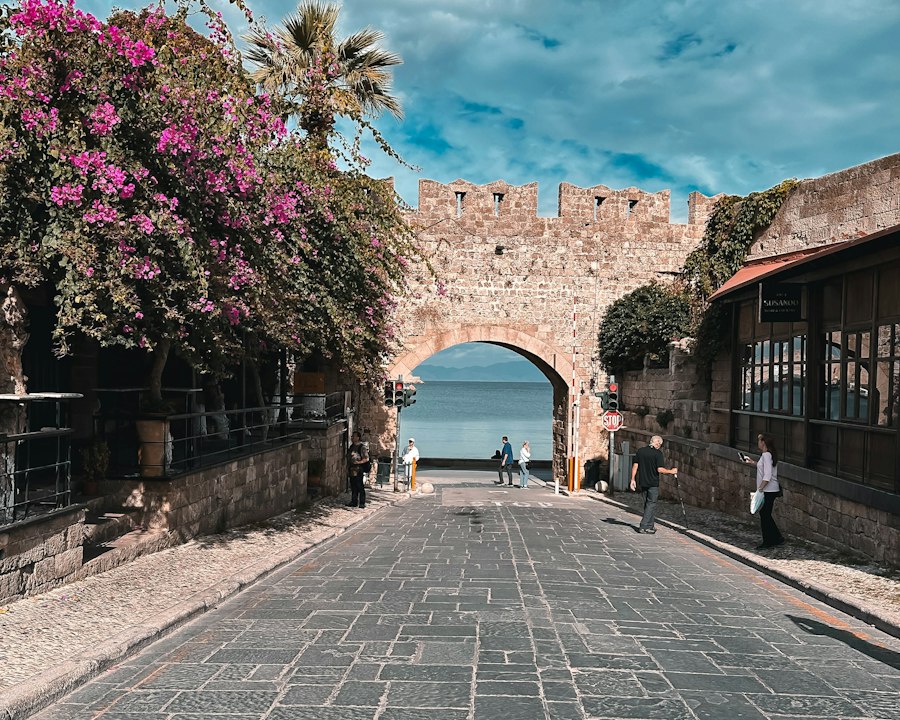
Your first impressions of Rhodes will likely depend on where you’ve chosen to stay. If you’ve opted for Rhodes Town, you’ll be enveloped by a captivating blend of ancient history and vibrant modern life. The medieval Old Town, a UNESCO World Heritage site, will instantly transport you back in time with its imposing walls, cobbled streets, and stunning architecture. Outside the walls, the New Town buzzes with shops, cafes, and a more contemporary atmosphere. If your accommodation is in one of the island’s many resorts, like Faliraki, Ixia, or Lindos, you’ll immediately sense a different vibe – perhaps more focused on beaches, relaxation, and watersports. Each area of Rhodes offers a distinct flavor, and understanding these initial differences will help you orient yourself and begin planning your adventures.
Navigating Rhodes Town: Old vs. New
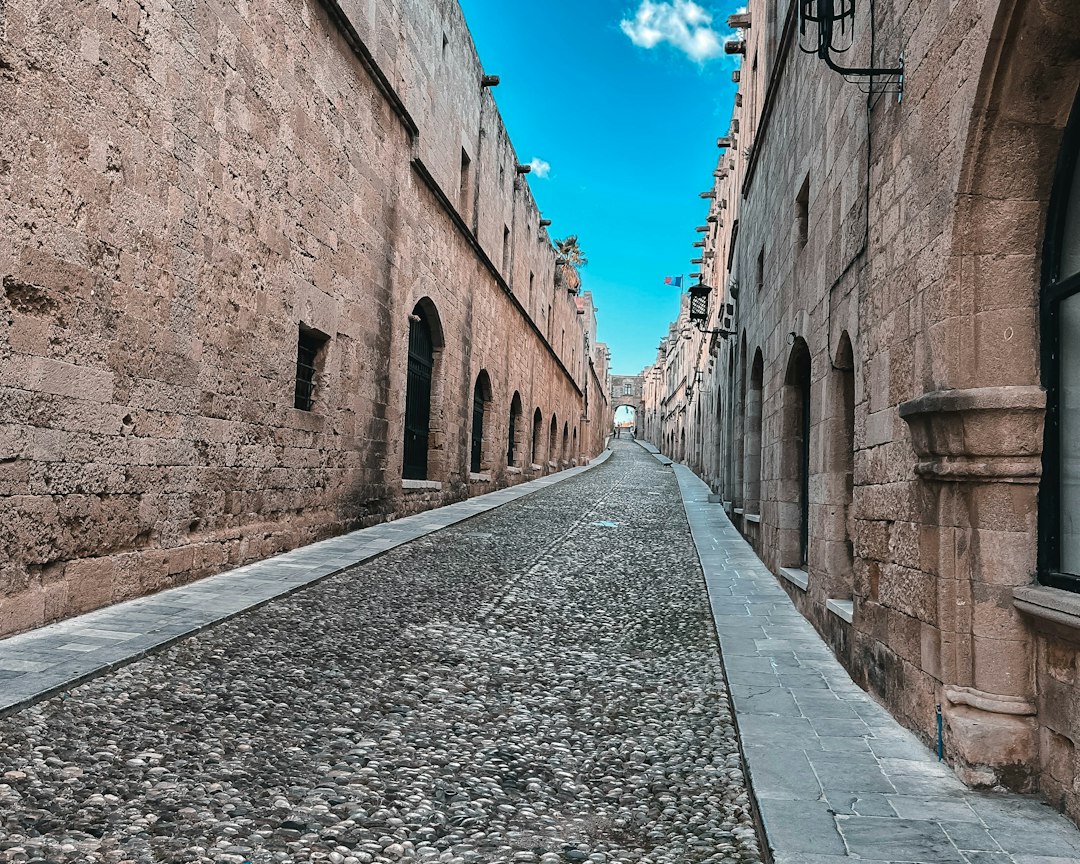
Rhodes Town is essentially two distinct experiences, each offering its own charm and attractions. The Old Town, encircled by magnificent medieval walls, is a labyrinth of narrow alleys, ancient churches, and charming squares. You’ll spend hours getting lost here, discovering hidden courtyards, quaint shops selling local crafts, and traditional tavernas serving delicious Greek cuisine. The Palace of the Grand Master of the Knights of Rhodes dominates the highest point, a truly awe-inspiring structure that offers a fascinating glimpse into the island’s rich history. Stroll along the Street of the Knights, imagining the crusaders who once walked these very stones. Don’t rush your exploration of the Old Town; allow yourself to wander without a specific itinerary, letting curiosity be your guide. This is where the magic truly happens.
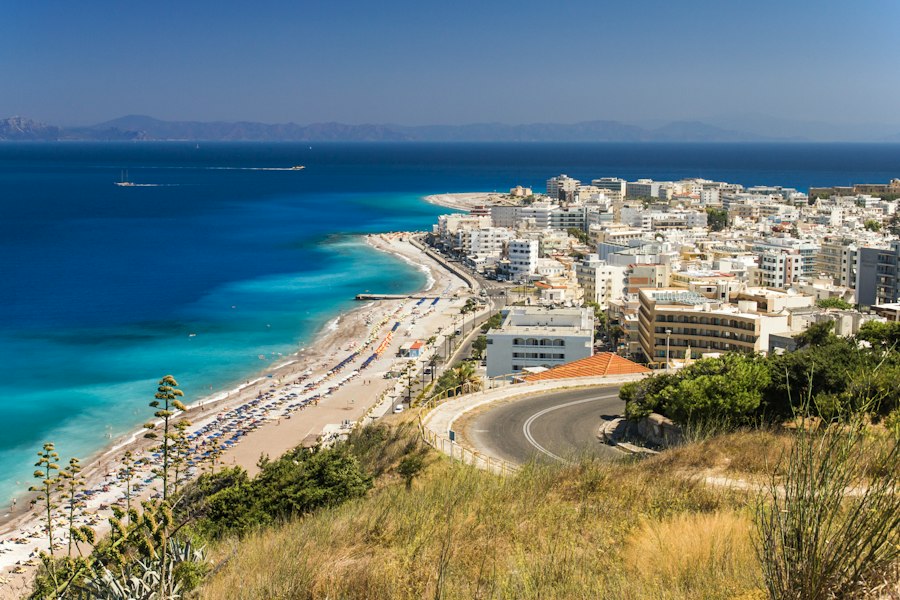
In stark contrast, the New Town of Rhodes offers a more contemporary urban experience. Here, you’ll find modern hotels, high-street shops, department stores, and a bustling nightlife. Mandraki Harbor, with its iconic deer statues marking the alleged site of the Colossus of Rhodes, is a picturesque spot for a leisurely stroll. You can admire the luxury yachts, book boat trips to nearby islands, or simply enjoy a coffee at one of the many waterside cafes. The Aquarium of Rhodes, housed in an art deco building, offers a fascinating insight into the marine life of the Aegean Sea. The New Town is also home to several beautiful beaches, like Elli Beach, which is popular for swimming and sunbathing, and offers a lively atmosphere with beach bars and watersports. While the Old Town provides a historical immersion, the New Town caters to those seeking modern amenities and a livelier pace.
Initial Cultural Sensitivities and Etiquette
As with any travel destination, being mindful of local customs and etiquette will enhance your experience and show respect for the culture. Greeks are generally very friendly and welcoming, but a few simple considerations can go a long way. When visiting religious sites, such as churches or monasteries, dress modestly. This means covering your shoulders and knees. Many places of worship will have scarves available if you forget, but it’s best to be prepared. Public displays of affection are generally more subdued than in some Western countries. Tipping is customary in restaurants and for services; a 10-15% tip is appreciated if you’re satisfied with the service, though it’s not strictly mandatory.
Greetings are important. A simple “Kalimera” (good morning), “Kalispera” (good evening), and “Efharisto” (thank you) in Greek will be met with appreciation. The pace of life on Rhodes, especially outside the bustling tourist hubs, can be more relaxed. Don’t be surprised if service in a taverna feels a little slower than you’re used to; embrace it as part of the Mediterranean rhythm. Bargaining is generally not expected in shops with fixed prices, but in markets or when negotiating for services like taxis (if a meter isn’t used), a polite negotiation might be possible. Remember that a smile and a polite demeanor are universally understood and appreciated.
When visiting Rhodes, there are numerous must-see attractions and activities that can enhance your experience on this beautiful island. From exploring the ancient ruins of the Acropolis of Lindos to wandering through the charming streets of the Old Town, there’s something for everyone. However, it’s essential to be aware of certain things to avoid, such as crowded tourist traps and areas that may not be safe after dark. For more tips on safety and what to do while traveling, check out this informative article on travel safety at Footsteps and Food.
Unmissable Sights and Experiences
Rhodes is an island brimming with historical treasures, natural beauty, and vibrant culture. Your itinerary will be packed, but prioritizing certain experiences will ensure you capture the essence of this magnificent destination. From ancient ruins to picturesque villages and stunning beaches, there’s something for every type of traveler.
Delving into the Medieval Old Town of Rhodes
Your exploration of Rhodes must begin in the Old Town. This UNESCO World Heritage site is truly a living museum, and you could easily spend days here without seeing everything. The sheer scale of the fortifications is breathtaking. Walk along portions of the city walls, offering panoramic views of the Old Town and the sparkling Aegean beyond. The Palace of the Grand Master of the Knights of Rhodes is the crown jewel, a monumental fortress that served as the administrative center and residence for the Grand Masters. Its opulent interiors, impressive mosaics, and commanding presence make it a must-visit. Allocate at least two to three hours to explore the palace thoroughly.
Wandering the Street of the Knights is like stepping back in time. This beautifully preserved street is lined with the ‘Inns’ (Auberges) of the various ‘tongues’ or nationalities of the Knights, each displaying its unique architectural style and heraldry. Imagine the Knights going about their daily lives as you stroll along its polished cobblestones. Beyond this iconic street, dive into the intricate network of smaller alleys. Discover the Archaeological Museum of Rhodes, housed in the medieval hospital of the Knights, which showcases fascinating artifacts from across the island’s history, from ancient pottery to impressive sculptures. Don’t miss the Suleiman Mosque, a testament to the Ottoman influence on the island, and the Church of Panagia tou Bourgou, whose ruins stand as a poignant reminder of past grandeur. Every corner of the Old Town holds a story, and the best way to uncover them is to simply get lost in its charm.
The Iconic Acropolis and Village of Lindos
A trip to Rhodes would be incomplete without visiting Lindos. Perched majestically on a dramatic cliff overlooking the azure sea, the Acropolis of Lindos is a truly awe-inspiring sight. Dating back to ancient times, this multi-layered site features Hellenistic stoas, Byzantine churches, and the remains of a medieval castle, all built around the impressive Temple of Athena Lindia. The climb to the top can be steep, but the panoramic views of the Aegean Sea, the picturesque village below, and the surrounding coastline are absolutely worth it. You can walk up, or for a more traditional (though controversial for some) experience, you can hire a ‘Lindos taxi’ – a donkey ride up the winding path.
Below the Acropolis lies the charming village of Lindos. This pedestrian-only village is a delightful maze of whitewashed houses, narrow cobbled streets, and bougainvillea-clad courtyards. Explore the myriad of small shops selling local crafts, jewelry, and souvenirs. Stop for a refreshing drink or a delicious meal at one of the many rooftop restaurants, offering stunning views of the Acropolis and the bay. Lindos also boasts two beautiful sandy beaches, Lindos Beach and St. Paul’s Bay. St. Paul’s Bay, a sheltered natural harbor, is particularly stunning with its emerald waters and small chapel, making it a popular spot for swimming and snorkeling. The combination of ancient history, traditional village charm, and beautiful beaches makes Lindos an absolute highlight of any Rhodes itinerary.
Relaxing and Adventuring on Rhodes’ Beaches
Rhodes is blessed with a diverse coastline, offering beaches to suit every preference, from bustling strips with watersports to secluded coves perfect for tranquility.
Northern and Western Coast Beaches
The northern and western coasts are generally windier, making them ideal for windsurfing and kitesurfing. Ixia Beach, close to Rhodes Town, is a long pebble beach popular for these watersports, with numerous surf schools and rental shops. It’s also known for its stunning sunsets. The water here can be a bit choppier, but the scenery is beautiful, and many large hotels line the beachfront, offering easy access. Further south, Fanes Beach and Kalavarda Beach are quieter, less developed options also favored by windsurfers due to their consistent winds. These beaches offer a more relaxed atmosphere, often attracting locals and those looking to escape the busier tourist crowds.
Eastern and Southern Coast Beaches
The eastern and southern coasts are generally calmer and more sheltered, offering sandy stretches and clear, shallow waters perfect for swimming and families. Faliraki Beach is one of the most famous, a long, golden sandy beach known for its vibrant atmosphere, numerous beach bars, watersports facilities, and family-friendly amenities. It’s lively and often crowded but offers everything you could want for a day of fun in the sun. Anthony Quinn Bay, named after the actor who filmed “The Guns of Navarone” here, is an incredibly picturesque cove with emerald green waters and a rocky seabed, ideal for snorkeling. It can get very busy, so arrive early to secure a spot. Tsambika Beach is another stunning option, a long, wide stretch of fine golden sand with shallow, crystal-clear waters, making it excellent for families with young children. A steep climb up to the Monastery of Panagia Tsambika (or a drive partway) offers incredible views of the beach and coastline. Further south, Prasonisi is a unique natural phenomenon where two sandy beaches meet, creating a small island connected by a sandbar, which becomes submerged in winter. This spot is a paradise for windsurfers and kitesurfers due to the strong winds, with one side offering calm water and the other choppier conditions. It’s an impressive sight even if you’re not participating in watersports.
Exploring the Enchanting Valley of Butterflies
For a refreshing change of pace and a dose of nature, head to the Valley of Butterflies (Petaloudes). This unique nature reserve, situated inland, is one of Europe’s few natural habitats for the Panaxia Quadripunctaria moth, commonly known as the Rhodesian Tiger Moth. During the months of June to September, thousands of these distinctive moths congregate in the valley, attracted by the storax trees’ resin. You’ll wander along shaded pathways beside trickling streams and small waterfalls, surrounded by lush vegetation. The moths typically rest on the tree trunks and rocks, camouflaged by their wing patterns. It’s important to walk quietly and avoid disturbing them, as sudden noises can cause them to fly, depleting their energy reserves. While you might not see them in a vibrant flutter unless disturbed, the sheer number of moths resting in their natural habitat is a remarkable sight. There’s also a small natural history museum at the entrance, offering more information about the valley’s ecosystem. It’s a peaceful and beautiful escape from the coastal heat, particularly enjoyable for nature lovers and families.
Culinary Delights and Nightlife
Rhodes offers a tantalizing array of culinary experiences, from traditional Greek tavernas to sophisticated international restaurants. The island’s nightlife is equally diverse, catering to everything from relaxed evenings to energetic clubbing.
Savoring Traditional Rhodian Cuisine
Rhodesian cuisine, while distinctly Greek, has its own unique flavors and specialties, influenced by centuries of diverse cultures. You must try some of the local dishes. Start with Pitaroudia, delicious chickpea fritters, a staple Rhodian appetizer. Giaprakia are vine leaves stuffed with rice and minced meat, similar to dolmades but often with a distinct local twist. Seafood, as expected, is incredibly fresh and abundant. Look for grilled octopus, calamari, and various fresh fish of the day, often simply prepared with olive oil, lemon, and herbs to let the natural flavors shine.
For meat lovers, Kleftiko, slow-cooked lamb with vegetables, often sealed in parchment paper, is a tender and flavorful dish. Don’t miss Souvlaki, skewers of grilled meat (pork or chicken) served in pita bread with tzatziki, tomatoes, and onions – a perfect quick and delicious meal. Beyond the main courses, explore local cheeses like Mizithra and Kopanisti, and finish your meal with traditional sweets such as Melekounia, a sesame and honey bar that is a signature Rhodian dessert, often served at weddings. When choosing a restaurant, venture away from the main tourist strips into the back alleys of the Old Town or to smaller villages to find authentic tavernas where locals eat. These often offer the best value and the most genuine culinary experience.
Experiencing Rhodes’ Vibrant Nightlife
Rhodes offers a spectrum of nightlife options to suit every mood and preference. If you’re looking for lively bars and clubs, Faliraki is the undisputed party capital of the island. Its main street, known as “Bar Street,” comes alive after dark with an abundance of nightclubs, music bars, and pubs, offering everything from mainstream pop to R&B and electronic music. The atmosphere is energetic and geared towards younger crowds and those looking to dance the night away.
For a more sophisticated and varied nightlife experience, Rhodes Town offers plenty of options. In the New Town, you’ll find elegant cocktail bars, stylish lounges, and pubs catering to a more mature crowd. Mandraki Harbor and the areas around it are popular for evening drinks with pleasant views. The Old Town offers a unique charm for evening entertainment. While not as wild as Faliraki, it hosts numerous atmospheric bars tucked away in ancient courtyards and along cobbled streets. Here, you can enjoy a quiet drink, listen to live traditional Greek music, or simply soak in the magical ambiance of the medieval surroundings. Many tavernas in the Old Town will also have live music, particularly during the high season, offering a more cultural evening out. Lindos also has a collection of charming rooftop bars that offer stunning views of the Acropolis lit up at night, providing a romantic and memorable setting for an evening drink.
Practical Tips for Your Trip
To make the most of your Rhodes adventure, a little preparation and awareness of practicalities will go a long way. From navigating transportation to managing your budget, these tips will help ensure a smooth and enjoyable trip.
Getting Around the Island
Rhodes offers several excellent options for getting around, each with its own advantages.
Car and Scooter Rental
Renting a car or scooter is highly recommended if you plan to explore the island beyond your immediate resort. This gives you the freedom to discover secluded beaches, charming villages, and historical sites at your own pace. Numerous rental agencies operate across the island, including at the airport and in major towns. Prices vary depending on the season and vehicle type, but booking in advance, especially during peak summer months (July-August), is always a good idea to secure better rates and availability. Remember that driving is on the right-hand side of the road. Roads are generally well-maintained, but some smaller village roads can be narrow and winding. Ensure your rental includes comprehensive insurance. Scooters are popular for shorter distances and are a fun way to navigate, but always wear a helmet and be mindful of other drivers.
Public Buses and Taxis
Public buses are a reliable and cost-effective way to travel between major towns and resorts on Rhodes. The main bus terminal is in Rhodes Town, with routes extending to Lindos, Faliraki, Kolymbia, and many other destinations. Bus schedules are generally consistent, though they can be less frequent in the evenings or on Sundays. Tickets are usually purchased from the driver. Buses can get crowded during peak season, but they offer a great way to observe local life.
Taxis are readily available in all major tourist areas and at the airport. They offer convenience, especially if you’re traveling with luggage or in a group. Ensure the driver uses the meter or agree on a price before starting your journey, particularly for longer distances or airport transfers. You might also find taxi stands in popular areas, and some drivers offer fixed-rate tours around the island.
Boat Trips and Ferries
Given that Rhodes is an island, boat trips are an integral part of the experience. From Mandraki Harbor in Rhodes Town, you can book day trips to nearby islands such as Symi (famous for its picturesque harbor and sponges), Halki, or even to the Turkish coast (though passport requirements apply). Many boat tours also offer excursions along the Rhodian coastline, often including stops for swimming and snorkeling in beautiful bays. Ferries connect Rhodes to other Dodecanese islands and the mainland, making it a hub for island hopping if you plan a longer trip.
Best Time to Visit and Weather Considerations
The best time to visit Rhodes largely depends on your priorities.
Spring (April-May) and Early Autumn (September-October)
These shoulder seasons are arguably the most ideal times to visit. The weather is pleasantly warm but not excessively hot, with average temperatures ranging from 20-25°C (68-77°F). The island is lush and green in spring, with wildflowers blooming, and the sea is warm enough for swimming. Crowds are thinner than in mid-summer, allowing for a more relaxed experience at popular sites. Accommodation and flight prices are often more affordable. Early autumn offers similar benefits, with the sea still very warm from the summer heat and the intense heat having subsided. These months are perfect for sightseeing, hiking, and enjoying the beaches without the intense heat and throngs of tourists.
Summer (June-August)
Summer is peak tourist season, characterized by hot, sunny weather with average temperatures often exceeding 30°C (86°F), sometimes reaching into the high 30s. This is the perfect time for beach lovers, sun worshipers, and those seeking vibrant nightlife. However, be prepared for larger crowds at all major attractions, higher prices for flights and accommodation, and intense heat, especially in July and August. If you visit during this time, plan your sightseeing for early mornings or late afternoons, and ensure you stay hydrated and use plenty of sun protection. Booking everything well in advance is essential.
Winter (November-March)
Winter on Rhodes is mild, with average temperatures around 10-15°C (50-59°F). Many tourist facilities, especially in smaller resorts, will be closed. While it’s not ideal for swimming, it can be a good time for hiking, exploring the historical sites without crowds, and experiencing local life. However, be prepared for some rain and cooler evenings. Flights and accommodation will be at their cheapest during this period.
Budgeting for Your Trip
Rhodes can cater to various budgets, from luxurious escapes to more economical adventures. Being mindful of your spending in certain areas can help you stay within your financial comfort zone.
Accommodation and Food Costs
Accommodation prices vary significantly based on the season, location, and type of lodging. Expect to pay more for beachfront hotels, all-inclusive resorts, and properties in prime locations like the Old Town or Lindos during peak season. Budget options include guesthouses, apartments, and smaller hotels, especially if booked outside of July and August. Consider staying slightly outside the main tourist hubs for better value, and factor in transportation costs if you do.
Food costs can also vary widely. Eating at local tavernas away from the main tourist squares will generally be more affordable and authentic. A main meal at a casual taverna might cost €10-€20, while a more upscale restaurant could easily be €30+ per person. Fast food like gyros and souvlaki are excellent budget-friendly options, often costing €3-€5. Supermarkets offer a way to save money on breakfast, snacks, and drinks, especially if your accommodation has self-catering facilities.
Activities and Excursions
Entrance fees to major archaeological sites and museums, such as the Palace of the Grand Master or the Acropolis of Lindos, typically range from €8-€12. Many beaches are free, but you’ll pay for sunbed and umbrella rentals (often €5-€10 per set). Watersports activities like jet skiing, parasailing, or banana boat rides can add up, with individual activities typically costing €20-€60. Boat trips to nearby islands or around the coast usually range from €25-€60 per person for a half-day or full-day excursion, excluding food.
Consider purchasing a combined ticket if you plan to visit multiple historical sites, as this can sometimes offer a small discount. Look for free walking tours of Rhodes Town or explore on your own. Many natural attractions, like the Valley of Butterflies (which has a modest entrance fee) or simply hiking in the interior, offer great value. Tipping is customary for good service in restaurants (10-15%) and for tour guides. Overall, a daily budget of €50-€100 per person could be a comfortable estimate for a mid-range trip, excluding flights and major splurges, but this can be adjusted up or down based on your choices.
When visiting Rhodes, there are numerous must-see attractions and activities that can enhance your experience on this beautiful island. A visit to the ancient city of Lindos, with its stunning Acropolis, is essential, as is exploring the charming streets of Rhodes Town, where history and modernity blend seamlessly. For those interested in local cuisine, trying traditional dishes at a local taverna is a delightful experience. However, it is advisable to avoid overly touristy areas that can detract from the authentic charm of the island. For more insights on travel tips and experiences, check out this related article on traveling smart.
What to Avoid or Be Wary Of
While Rhodes is generally a safe and welcoming destination, being aware of potential pitfalls and tourist traps can help ensure a smoother and more enjoyable experience.
Overpaying for Services and Goods
Like any popular tourist destination, Rhodes has its share of opportunities where you might unknowingly overpay.
Unmetered Taxis and Unclear Pricing
When taking a taxi, always insist that the driver uses the meter. If they claim it’s broken or refuse, agree on a fixed price before starting the journey. Research typical taxi fares for common routes (e.g., airport to Rhodes Town) to have a benchmark. Some drivers might try to overcharge unsuspecting tourists, especially late at night or from busy areas. For longer distances, it’s worth asking several drivers for quotes or booking through a reputable hotel or app if available.
Tourist Trap Restaurants
Be cautious of restaurants in extremely high-traffic tourist areas, particularly those with aggressive touts trying to usher you in. While some may be perfectly fine, many prioritize volume over quality and authentic experience. Menus displayed prominently outside should clearly state prices. Look for restaurants where locals are eating or ask for recommendations from your accommodation staff. Be wary of hidden cover charges or bread charges that weren’t clearly stated. Always check your bill carefully before paying, especially if you’re in a group.
Souvenirs and Knock-Offs
While souvenir shopping is part of the fun, be mindful of overly pushy vendors or stalls selling clearly mass-produced, low-quality items at inflated prices. The Old Town of Rhodes has many charming craft shops, but also generic souvenir stores. If you’re looking for genuine local products, seek out specialized shops or smaller markets. Be wary of “brand-name” items sold at suspiciously low prices; they are almost certainly counterfeit. Bargaining is generally not expected in established shops with clear price tags, but in flea markets or with street vendors, polite negotiation might be possible.
Avoiding Crowds and Scams
Managing crowds and being vigilant against minor scams can significantly improve your experience.
Peak Season Crowds
During July and August, Rhodes is incredibly popular, leading to significant crowds at major attractions, beaches, and restaurants. To avoid the worst of it, plan your visits to popular sites like the Palace of the Grand Master or the Acropolis of Lindos for early morning (right when they open) or late afternoon. Consider visiting lesser-known beaches or exploring the island’s interior to find quieter spots. Book popular restaurants in advance, and be prepared for queues. If possible, consider visiting during the shoulder seasons (April-May or September-October) for a more relaxed experience with fewer people.
Minor Tourist Scams
While serious crime is rare on Rhodes, minor scams can occasionally occur. Be wary of street games or card tricks that promise easy money; these are almost always designed to part you from yours. Similarly, be cautious if approached by overly friendly strangers offering “free” gifts or services, as these often come with a hidden cost or expectation. Always keep an eye on your belongings in crowded areas, especially on buses or in busy markets, to prevent pickpocketing. Use hotel safes for valuables and carry only what you need for the day. Trust your instincts; if something feels too good to be true or makes you uncomfortable, it probably is.
Respecting the Environment and Local Culture
Your visit to Rhodes contributes to its economy and well-being. Practicing responsible tourism helps preserve the island for future generations.
Environmental Responsibility
Rhodes is a beautiful island, and it’s crucial to help keep it that way. Always dispose of your rubbish properly; use designated bins and avoid littering, especially on beaches and in natural areas. Water is a precious resource, particularly on an island, so be mindful of your water consumption (shorter showers, turning off taps). If you go snorkeling or diving, avoid touching or disturbing marine life and coral reefs. If visiting natural reserves like the Valley of Butterflies, stick to marked paths and avoid disturbing the wildlife. Consider using reusable water bottles to reduce plastic waste.
Cultural Respect
Dress modestly when visiting churches, monasteries, or other religious sites – covering shoulders and knees is appropriate. While Greeks are very tolerant, public displays of excessive drunkenness or overly loud behavior, particularly in residential areas or near historical sites, are generally frowned upon. Be patient and polite; the Mediterranean pace of life is often slower than you might be used to, and rushing or being overly demanding can be seen as impolite. A few basic Greek phrases like “please” (parakalo) and “thank you” (efharisto) will always be appreciated and demonstrate respect for the local culture. Remember that you are a guest on the island, and a respectful attitude goes a long way.