How getting outdoors can improve wellbeing and mental health
The weight of the world often feels like it’s pressing down on me. Deadlines loom, social obligations pile up, and the incessant hum of notifications from my phone can create a mental fog that’s hard to shake. For a long time, I accepted this as just part of life, the modern condition. But then, something shifted. A small, persistent nudge, a whisper from my own body, told me I needed to escape the confines of my own head and the four walls I’d built around myself. I discovered, almost by accident at first, the profound power of simply stepping outside. Getting outdoors, I’ve learned, isn’t just a pleasant pastime; it’s a vital lifeline for my wellbeing and my mental health.
The change wasn’t instantaneous, of course. It was a gradual awakening, a slow unfurling of a deeper connection to the world beyond my screen. It started with short, reluctant walks around the block, noticing the way the sunlight dappled through the leaves or the surprising resilience of a tiny wildflower pushing through a crack in the pavement. Each small excursion chipped away at the inertia, and soon, I was actively seeking out opportunities to immerse myself in nature. What I found was a transformative force, a potent antidote to stress and anxiety, and a powerful catalyst for a more balanced and fulfilling life.
One of the most immediate and palpable benefits I’ve experienced from spending time outdoors is a profound sense of reconnection. In our urbanized, technologically driven lives, it’s easy to become disconnected from the natural world. We live in climate-controlled environments, our days dictated by artificial light and schedules. This disconnect, I’ve realized, has a subtle but significant impact on our internal rhythms and our overall sense of being.
The Calming Influence of Green Spaces
The mere presence of greenery has a remarkable calming effect on my nervous system. When I’m surrounded by trees, the rustling of leaves, the scent of damp earth after a rain, or the vibrant hues of blooming flowers, my racing thoughts begin to slow. I find myself taking deeper breaths, my shoulders unclenching, and a sense of peace washing over me. Studies have consistently shown that exposure to nature, even just looking at trees from a window, can lower blood pressure, reduce stress hormones like cortisol, and decrease feelings of anger and fatigue. For me, this translates into a tangible shift from a state of agitated tension to one of gentle repose. It’s like my mind, so accustomed to the constant barrage of stimuli, finally gets a moment to breathe and recalibrate.
The Power of a Forest Bath
I’ve become a big believer in the concept of “forest bathing,” or shinrin-yoku, as it’s known in Japan. It’s not about strenuous hiking or achieving a fitness goal; it’s about mindfully immersing oneself in the forest atmosphere. This involves engaging all my senses: feeling the rough bark of a tree, listening to the birdsong, smelling the pine needles, and simply observing the intricate details of the natural world around me. This deliberate slowing down and sensory engagement is incredibly grounding. It pulls me out of my head and into the present moment, a place where anxieties about the past or future lose their grip.
Sunlight: Nature’s Mood Booster
The impact of sunlight on my mood cannot be overstated. I used to be someone who would shy away from the sun, fearing sunburn or simply preferring the dim comfort of indoor spaces. Now, I actively seek it out. Even a short walk on a sunny day can lift my spirits considerably. Sunlight plays a crucial role in regulating our circadian rhythms, the natural sleep-wake cycle that governs so many of our bodily functions. Exposure to sunlight, especially in the morning, signals to our brains that it’s time to be awake and alert, while also promoting the production of serotonin, a neurotransmitter that plays a key role in mood regulation and feelings of happiness. When I’m feeling particularly down or sluggish, a dose of sunshine is often the most effective and immediate pick-me-up.
Combating Seasonal Affective Disorder
For many people, myself included, the shorter days and reduced sunlight of winter can lead to a dip in mood, a condition known as Seasonal Affective Disorder (SAD). Getting outdoors during these months, even when it’s cold and gray, can offer a vital counterbalance. While I might not be basking in full sunshine, the diffused light still provides a beneficial exposure that helps to combat the gloom. It’s about making the effort, pushing past the inertia that winter can impose, and reminding myself that even on the dreariest days, nature offers its own unique form of light.
Engaging with nature has been shown to significantly enhance wellbeing and mental health, as highlighted in various studies. For those interested in exploring how travel can further contribute to mental wellness, a related article discusses the appeal of urban nature in Bucharest and its potential benefits for visitors. You can read more about this in the article titled “Is Bucharest Worth Visiting?” available at this link.
Reducing Stress and Anxiety Through Nature
The most immediate and perhaps most sought-after benefit of getting outdoors for me has been its powerful effect on my stress and anxiety levels. The constant pressures of modern life can create a chronic state of low-grade anxiety that often simmers beneath the surface. Nature provides a much-needed escape from this internal turmoil.
The Quieting Effect on the Mind
When I’m out in nature, my mind seems to quiet down. The relentless internal monologue that often fuels my anxiety begins to fade. I find it easier to let go of intrusive thoughts and worries, replacing them with observations of the world around me. The sheer scale and beauty of nature can put my own problems into perspective. A vast mountain range, an endless ocean, or even just a field of wildflowers can make my personal stressors feel much smaller and more manageable. This shift in perspective is incredibly liberating.
The Power of Gentle Movement
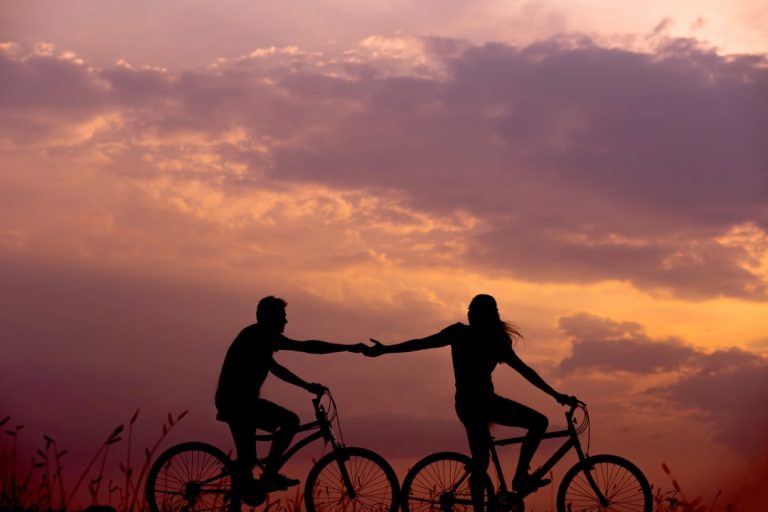
Often, getting outdoors involves some form of gentle physical activity. Whether it’s a leisurely walk, a bike ride, or simply strolling through a park, this movement is inherently stress-relieving. Physical activity releases endorphins, the body’s natural mood elevators and pain relievers. Even a moderate amount of exercise can significantly reduce feelings of stress and anxiety. What’s wonderful about outdoor activity is that it doesn’t feel like a chore. The engagement with the environment makes the movement feel natural and enjoyable, rather than a forced effort.
Escaping the Sensory Overload
Our indoor environments, especially our homes and workplaces, are often filled with sensory overload. The constant hum of electronics, the glare of screens, the chatter of conversations – it all contributes to a feeling of being overwhelmed. Stepping outdoors offers a welcome respite from this. The sounds of nature are generally more gentle and harmonious. The visual landscape is often less jarring, with softer colors and more organic shapes. This reduction in sensory input allows my brain to relax and recover, making it easier to process information and manage my emotional state.
The ‘Attention Restoration Theory’ in Action
I’ve found the principles of the ‘Attention Restoration Theory’ to be particularly relevant here. This theory suggests that prolonged exposure to demanding, directed attention (like that required for work or studying) can lead to mental fatigue. Natural environments, however, provide ‘soft fascination’ – stimuli that capture our attention effortlessly without requiring much effort. This allows our directed attention capabilities to rest and replenish, leading to improved cognitive function and a reduction in mental fatigue, which in turn alleviates feelings of stress and anxiety.
Boosting Mood and Enhancing Overall Happiness

Beyond simply reducing negative emotions, getting outdoors has a profound capacity to actively enhance my mood and contribute to a greater sense of overall happiness. It’s not just about the absence of stress; it’s about the presence of joy and contentment.
The Serotonin Surge from Sunlight and Movement
As mentioned before, sunlight plays a crucial role in serotonin production. This ‘happy chemical’ is a powerful antidepressant and contributes to feelings of wellbeing. Combined with the endorphin release from physical activity, a good dose of time spent outdoors can create a potent cocktail of mood-boosting neurochemicals. I often find myself feeling lighter, more optimistic, and more inclined to smile after even a short excursion into nature.
The Contagion of Nature’s Vibrancy
There’s a certain vibrancy to nature that’s infectious. The buzzing of bees, the chirping of birds, the unfurling of new leaves – all these elements speak of life and vitality. When I’m immersed in this, it’s hard not to feel a corresponding sense of aliveness. This connection to the vibrant energy of the natural world seems to permeate my own being, lifting my spirits and making me feel more alive and engaged with the world.
Experiencing Awe and Wonder
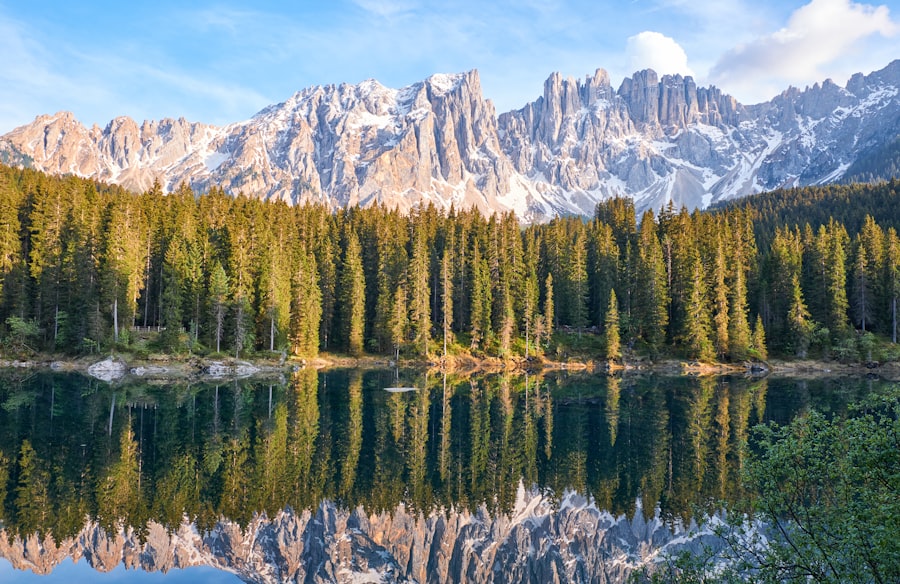
Nature has an incredible ability to inspire awe and wonder. Witnessing a breathtaking sunset, standing at the edge of a vast canyon, or observing the intricate patterns of a snowflake can evoke a profound sense of awe. This feeling of awe has been linked to increased positive emotions, reduced feelings of loneliness, and a greater sense of purpose and connection. For me, these moments of wonder are powerful reminders of the beauty and mystery of the universe, and they help to ground me in a way that few other experiences can.
The Shift from Self-Focus to the Greater Picture
When I’m experiencing awe in nature, my focus tends to shift away from my own internal preoccupations. I become less self-absorbed and more aware of the vastness and interconnectedness of everything. This shift in perspective can be incredibly liberating and contribute to a deeper sense of happiness by reminding me that I am part of something much larger than myself.
Improving Physical Health Through Outdoor Activity
While my primary focus has been on mental wellbeing, I’ve also noticed significant improvements in my physical health as a direct result of spending more time outdoors. The two are intrinsically linked, and nurturing one often leads to benefits in the other.
The Benefits of Vitamin D Production
Direct exposure to sunlight is the most efficient way for our bodies to produce Vitamin D. This essential nutrient plays a vital role in bone health, immune function, and even mood regulation. I used to be consistently deficient in Vitamin D, and I’ve found that regular outdoor excursions have helped to bring my levels back into a healthy range. This has contributed to feeling more energetic and less prone to illness.
Gentle Exercise for a Stronger Body
As I’ve already touched upon, outdoor activities often involve gentle exercise. This consistent movement helps to strengthen my muscles, improve cardiovascular health, and increase my overall stamina. The variety of terrain and the unpredictability of outdoor environments can also challenge my body in different ways, leading to improved balance and coordination.
Enhanced Sleep Quality
A crucial benefit that bridges both mental and physical health is the improvement in my sleep quality. After a day spent outdoors, particularly if it involved some physical activity and exposure to natural light, I find myself falling asleep more easily and sleeping more deeply. The regulation of my circadian rhythms by natural light cues contributes significantly to this. This improved sleep, in turn, has a cascade of positive effects on my mood, cognitive function, and overall physical health.
The Role of Fresh Air
Beyond sunlight, the simple act of breathing fresh, unpolluted air can have a positive impact on my physical health. Indoor air can often be stale and contain various pollutants. Outdoors, especially in natural settings, the air is generally cleaner and richer in oxygen. This can lead to improved respiratory function and a general feeling of invigorated well-being.
Engaging with nature has been shown to significantly enhance wellbeing and mental health, as highlighted in various studies. For those interested in exploring the benefits of outdoor activities, a related article discusses the therapeutic effects of nature in Slovenia, showcasing how beautiful landscapes can serve as a backdrop for rejuvenation. You can read more about this fascinating topic in the article here.
Fostering Connection and Community
While I often seek the solitude of nature for personal reflection, I’ve also discovered that getting outdoors can be a powerful catalyst for connection, both with others and with the wider world.
Shared Experiences in Nature
Participating in outdoor activities with friends, family, or even joining local hiking groups can foster strong bonds. Sharing the beauty of a sunrise, the challenge of a hike, or the simple pleasure of a picnic in the park creates shared memories and strengthens relationships. These shared experiences in nature have a unique way of stripping away pretenses and allowing for more authentic connections to form.
The Common Ground of Nature Appreciation
There’s an inherent common ground that emerges when people gather in natural settings. A shared appreciation for the beauty and tranquility of the environment can bridge differences and create a sense of camaraderie. I’ve found myself striking up conversations with strangers on trails or in parks, united by the simple act of enjoying the outdoors.
A Deeper Connection to Place
Getting outdoors also allows me to develop a deeper connection to the places I inhabit. Exploring local parks, trails, and natural areas allows me to understand and appreciate the unique ecological and aesthetic qualities of my surroundings. This sense of belonging to a place can be incredibly grounding and contribute to a greater sense of wellbeing.
Environmental Stewardship
As I’ve become more connected to nature, I’ve also developed a stronger sense of environmental stewardship. Witnessing the beauty and fragility of natural ecosystems inspires a desire to protect them. This sense of responsibility and purpose can be incredibly fulfilling and contribute to a more meaningful life. Understanding that my own wellbeing is intertwined with the health of the planet adds another layer to the importance of getting outdoors.
In conclusion, my journey into the world of outdoor living has been nothing short of transformative. What started as a reluctant step outside has blossomed into a fundamental aspect of my life, a cornerstone of my mental and physical wellbeing. The simple act of opening the door and stepping into the embrace of nature offers a profound and accessible pathway to a more balanced, joyful, and resilient existence. It’s a constant reminder that the greatest healing and rejuvenation often lie just beyond our doorstep, waiting to be discovered.