

Nutritional strategies for managing stress and anxiety
As you navigate the complexities of modern life, stress and anxiety can often feel like unwelcome companions. While therapy, mindfulness, and exercise are undeniably powerful tools, you might be overlooking a crucial ally in your fight against these mental health challenges: your diet. What you put into your body profoundly impacts your brain chemistry, hormone regulation, and overall resilience. By understanding and implementing specific nutritional strategies, you can empower yourself to build a more robust defense against the insidious effects of stress and anxiety.
Before delving into specific nutritional recommendations, it’s vital that you grasp the intricate relationship between your gut and your brain. This bidirectional communication highway, often referred to as the “gut-brain axis,” plays a significant role in your mental well-being.
The Role of Neurotransmitters
You might be surprised to learn that a large portion of your body’s serotonin, a key neurotransmitter associated with mood and happiness, is produced in your gut. Disruptions in your gut microbiome can directly impact serotonin production, contributing to feelings of anxiety and depression. Similarly, other neurotransmitters like dopamine and GABA, crucial for focus and relaxation respectively, are also influenced by your gut health.
The Microbiome’s Influence
Your gut is home to trillions of microorganisms – bacteria, fungi, and viruses – collectively known as your microbiome. This diverse community isn’t just about digestion; it actively communicates with your brain through various pathways, including the vagus nerve, hormones, and immune system. An imbalanced microbiome, often referred to as dysbiosis, can lead to inflammation, altered neurotransmitter production, and increased permeability of the gut lining, all of which can exacerbate stress and anxiety.
Inflammation and Mental Health
Chronic low-grade inflammation, often triggered by an unhealthy diet and gut dysbiosis, has been increasingly linked to mental health disorders. Inflammatory compounds can cross the blood-brain barrier, affecting brain function and contributing to symptoms like brain fog, fatigue, and mood disturbances. By focusing on anti-inflammatory foods, you can actively reduce this burden on your brain.
In exploring the impact of nutrition on mental health, a related article discusses the broader benefits of travel as a means to alleviate stress and anxiety. The piece highlights how experiencing new environments and cultures can enhance overall well-being, complementing nutritional strategies for managing these challenges. For more insights on the positive effects of travel, you can read the article here: Why Travel.
Prioritizing Macronutrients for Mental Resilience
Just as a house needs a strong foundation, your brain needs a balanced supply of macronutrients – carbohydrates, proteins, and fats – to function optimally and withstand stress. You shouldn’t be thinking of these in terms of restriction, but rather strategic inclusion.
Complex Carbohydrates for Stable Energy
You might be tempted to cut out carbs, but complex carbohydrates are your brain’s preferred fuel source. Unlike simple sugars, which cause rapid spikes and crashes in blood sugar, complex carbs like whole grains, legumes, and starchy vegetables provide a steady release of glucose. This consistent energy supply helps maintain stable mood and cognitive function, preventing irritability and fatigue often associated with stress.
Choosing the Right Carbs
- Whole Grains: Opt for oats, brown rice, quinoa, and whole-wheat bread. These are rich in fiber, which further aids in blood sugar regulation and gut health.
- Legumes: Lentils, chickpeas, and black beans are excellent sources of complex carbs and protein, offering sustained energy.
- Starchy Vegetables: Sweet potatoes, squash, and corn provide essential vitamins and minerals alongside their carbohydrate content.
Lean Proteins for Neurotransmitter Production
Proteins are not just for building muscles; they are essential for synthesizing neurotransmitters like serotonin, dopamine, and norepinephrine. These brain chemicals play a critical role in mood regulation, focus, and your ability to cope with stress. Ensure you’re consuming adequate amounts of lean protein throughout your day.
Optimal Protein Sources
- Lean Meats: Chicken breast, turkey, and lean cuts of beef provide essential amino acids.
- Fish: Especially fatty fish like salmon, mackerel, and sardines (which we’ll discuss further) are rich in protein and beneficial fats.
- Eggs: A complete protein source, eggs offer all nine essential amino acids.
- Dairy: Greek yogurt, cottage cheese, and milk are good protein options, and some fermented dairy also supports gut health.
- Plant-Based Proteins: Tofu, tempeh, lentils, and beans are excellent choices for vegetarians and vegans.
Healthy Fats for Brain Health
You’ve probably heard that fats are crucial for brain health, and it’s true. Your brain is composed of nearly 60% fat, and the right kinds of fats are essential for its structure and function. They play a vital role in cell membrane integrity, neurotransmitter communication, and inflammation regulation.
Essential Fatty Acids
- Omega-3 Fatty Acids: These are perhaps the most celebrated fats for mental health. EPA and DHA, found primarily in fatty fish, have powerful anti-inflammatory properties and are crucial for brain cell development and function. They can help reduce anxiety symptoms and improve mood. Aim for at least two servings of fatty fish per week.
- Monounsaturated Fats: Found in olive oil, avocados, and nuts, these fats are heart-healthy and contribute to overall brain health.
- Polyunsaturated Fats: Beyond omega-3s, other polyunsaturated fats from seeds (chia, flax, hemp) and certain nuts also contribute to brain function.
Micronutrients: The Unsung Heroes

While macronutrients provide the bulk of your energy and building blocks, micronutrients – vitamins and minerals – act as critical co-factors in countless biochemical reactions that impact your mental well-being. You might be surprised at how a deficiency in just one of these can amplify your stress and anxiety.
B Vitamins: The Stress-Busters
Often referred to as the “stress vitamins,” B vitamins are crucial for energy production, nerve function, and the synthesis of neurotransmitters. A deficiency in any of them can lead to fatigue, irritability, and increased anxiety.
Key B Vitamins and Their Roles
- Folate (B9): Essential for neurotransmitter synthesis, particularly serotonin and dopamine. Found in leafy greens, legumes, and fortified cereals.
- Vitamin B6: A co-factor in the production of serotonin, dopamine, and GABA. Good sources include chicken, fish, bananas, and potatoes.
- Vitamin B12: Vital for nerve health and the production of myelin, the protective sheath around nerves. Found primarily in animal products, so if you’re vegan, supplementation is often necessary.
- Thiamine (B1): Important for energy metabolism and nerve function. Found in whole grains, pork, and legumes.
- Riboflavin (B2) and Niacin (B3): Also play roles in energy production and overall brain health.
Magnesium: The Relaxation Mineral
You’ll often hear magnesium referred to as nature’s tranquilizer, and for good reason. It plays a critical role in over 300 biochemical reactions in the body, including nerve and muscle function, blood sugar control, and blood pressure regulation. Magnesium helps relax muscles, calms the nervous system, and can improve sleep quality – all crucial for managing stress and anxiety. Many people are deficient in magnesium.
Magnesium-Rich Foods
- Dark Leafy Greens: Spinach, kale, and Swiss chard are excellent sources.
- Nuts and Seeds: Almonds, cashews, pumpkin seeds, and chia seeds.
- Legumes: Black beans, lentils.
- Whole Grains: Brown rice, oats.
- Dark Chocolate: A delicious way to boost your magnesium intake (in moderation!).
Zinc: Immune and Mood Support
Zinc is a powerful antioxidant and plays a vital role in immune function, hormone regulation, and nerve signal transmission. Research suggests a link between zinc deficiency and increased anxiety and depression. It’s also involved in neurotransmitter function.
Sources of Zinc
- Oysters: The most concentrated source.
- Red Meat and Poultry: Beef, lamb, and chicken.
- Legumes: Chickpeas, lentils, and beans.
- Nuts and Seeds: Pumpkin seeds, cashews, and almonds.
Vitamin D: The Sunshine Vitamin
You’re probably aware of Vitamin D’s importance for bone health, but its role in mental health is increasingly recognized. Receptors for Vitamin D are found throughout the brain, and it plays a role in neurotransmitter synthesis and reducing inflammation. Low levels of Vitamin D have been linked to increased risk of depression and anxiety.
How to Get Enough Vitamin D
- Sunlight Exposure: Your body synthesizes Vitamin D when your skin is exposed to sunlight.
- Fatty Fish: Salmon, mackerel, and tuna.
- Fortified Foods: Milk, cereals, and some orange juices.
- Supplementation: Often recommended, especially in regions with limited sunlight or for individuals with deficiencies.
Targeting the Gut Microbiome for Calmness
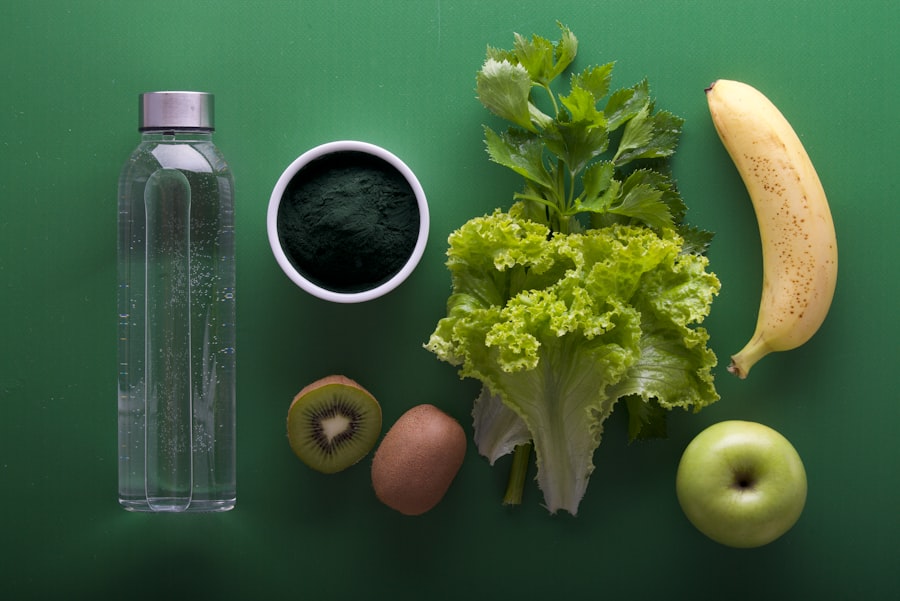
Since you now understand the profound impact of your gut on your brain, actively nurturing your microbiome is a cornerstone of your nutritional strategy for managing stress and anxiety.
Probiotic-Rich Foods
These foods contain live beneficial bacteria that can colonize your gut and contribute to a healthy microbiome. Including them regularly can improve your gut flora balance, potentially leading to better mood and reduced anxiety.
Excellent Probiotic Sources
- Fermented Dairy: Kefir and unsweetened Greek yogurt (check labels for live and active cultures).
- Fermented Vegetables: Sauerkraut, kimchi, and pickles (ensure they are traditionally fermented, not just pickled with vinegar).
- Other Fermented Foods: Tempeh, miso, and kombucha.
Prebiotic Fibers
Prebiotics are non-digestible fibers that act as “food” for the beneficial bacteria in your gut. By feeding your good bacteria, you help them thrive and outcompete harmful microbes, fostering a balanced and healthy gut environment.
Prebiotic Powerhouses
- Garlic and Onions: Rich in inulin and fructooligosaccharides (FOS).
- Asparagus: Another great source of inulin.
- Bananas: Especially slightly unripe ones.
- Oats: A good source of beta-glucan, a type of prebiotic fiber.
- Apples: Contain pectin, a prebiotic fiber.
- Chicory Root: Often found in fiber supplements and some health foods.
Limiting Gut Disruptors
Just as you add beneficial foods, you also need to minimize those that can harm your gut microbiome and contribute to inflammation. This is a crucial step you shouldn’t overlook.
Foods to Reduce or Avoid
- Processed Foods: High in unhealthy fats, sugar, and artificial ingredients that can negatively impact gut health.
- Excessive Sugar: Feeds harmful bacteria and can lead to inflammation and blood sugar instability.
- Artificial Sweeteners: Some research suggests they can alter gut microbiota.
- Industrial Seed Oils: High in omega-6 fatty acids, which in excess can promote inflammation. Opt for olive oil, avocado oil, or coconut oil instead.
- Excessive Alcohol: Can damage the gut lining and disrupt the microbiome.
In exploring effective nutritional strategies for managing stress and anxiety, it is essential to consider the broader context of how our environment influences our well-being. A related article discusses the therapeutic benefits of nature, highlighting how spending time near natural elements like waterfalls can significantly reduce stress levels. You can read more about this fascinating connection in the article found here. Integrating both nutritional approaches and nature therapy may provide a holistic method for enhancing mental health.
Hydration and Mindful Eating Practices
Beyond specific food choices, how you eat and how well you stay hydrated also profoundly influence your ability to manage stress and anxiety. These are often overlooked but incredibly effective strategies you can implement daily.
The Importance of Hydration
You might not immediately connect water intake with stress, but even mild dehydration can lead to fatigue, irritability, and difficulty concentrating – all symptoms that can exacerbate anxiety. Your brain, being largely water, functions optimally when adequately hydrated.
Hydration Tips
- Drink Water Regularly: Don’t wait until you’re thirsty. Keep a water bottle handy and sip throughout the day.
- Herbal Teas: Chamomile, peppermint, and green tea (in moderation due to caffeine) can contribute to hydration and offer calming benefits.
- Water-Rich Foods: Fruits and vegetables like watermelon, cucumber, and oranges contribute to your daily fluid intake.
Mindful Eating
Eating on the go, distracted by screens, or rushing through meals can prevent you from truly enjoying your food and can even hinder digestion. Mindful eating is a practice that encourages you to pay attention to the experience of eating, which can reduce stress and improve your relationship with food.
Practices for Mindful Eating
- Slow Down: Take your time with meals. Chew thoroughly and savor each bite.
- Eliminate Distractions: Put away your phone, turn off the TV, and focus solely on your food.
- Listen to Your Body: Pay attention to hunger and fullness cues. Eat when you’re truly hungry and stop when you’re satisfied, not stuffed.
- Engage Your Senses: Notice the colors, aromas, textures, and flavors of your food.
- Practice Gratitude: Take a moment to appreciate your meal and the nourishment it provides.
In conclusion, managing stress and anxiety is a multi-faceted endeavor, and your diet plays an undeniably critical role. By strategically incorporating complex carbohydrates, lean proteins, healthy fats, and a spectrum of essential vitamins and minerals, you provide your brain with the fuel and building blocks it needs to thrive. Furthermore, by nurturing your gut microbiome through probiotics and prebiotics and limiting gut disruptors, you foster a healthier gut-brain axis, leading to improved mood and resilience. Finally, don’t underestimate the power of consistent hydration and mindful eating practices to calm your nervous system and enhance your overall well-being. By making these nutritional adjustments, you’re not just eating for your physical health; you’re actively building a stronger, calmer, and more resilient you.